Career Readiness Framework


Self-Assessment & Career Planning


Learning Outcome
5
Match strengths with the right career path for success.
4
Understand key career preparation through SMART Framework
3
Analyze strengths, weaknesses, opportunities, and threats.
2
Apply SWOT analysis as a tool for structured self-assessment
1
Identify strengths and career interests.
-
You get confused
-
You waste time
-
You buy the wrong things
That’s exactly what happens when you choose a career without self-assessment.
Lesson:
Clarity saves time, energy, and effort
So just like shopping needs a list, your career needs direction.
Let’s understand how to build that direction through Self-Assessment & Career Planning.


Have you ever gone shopping without a list?
Why Self-Assessment Matters
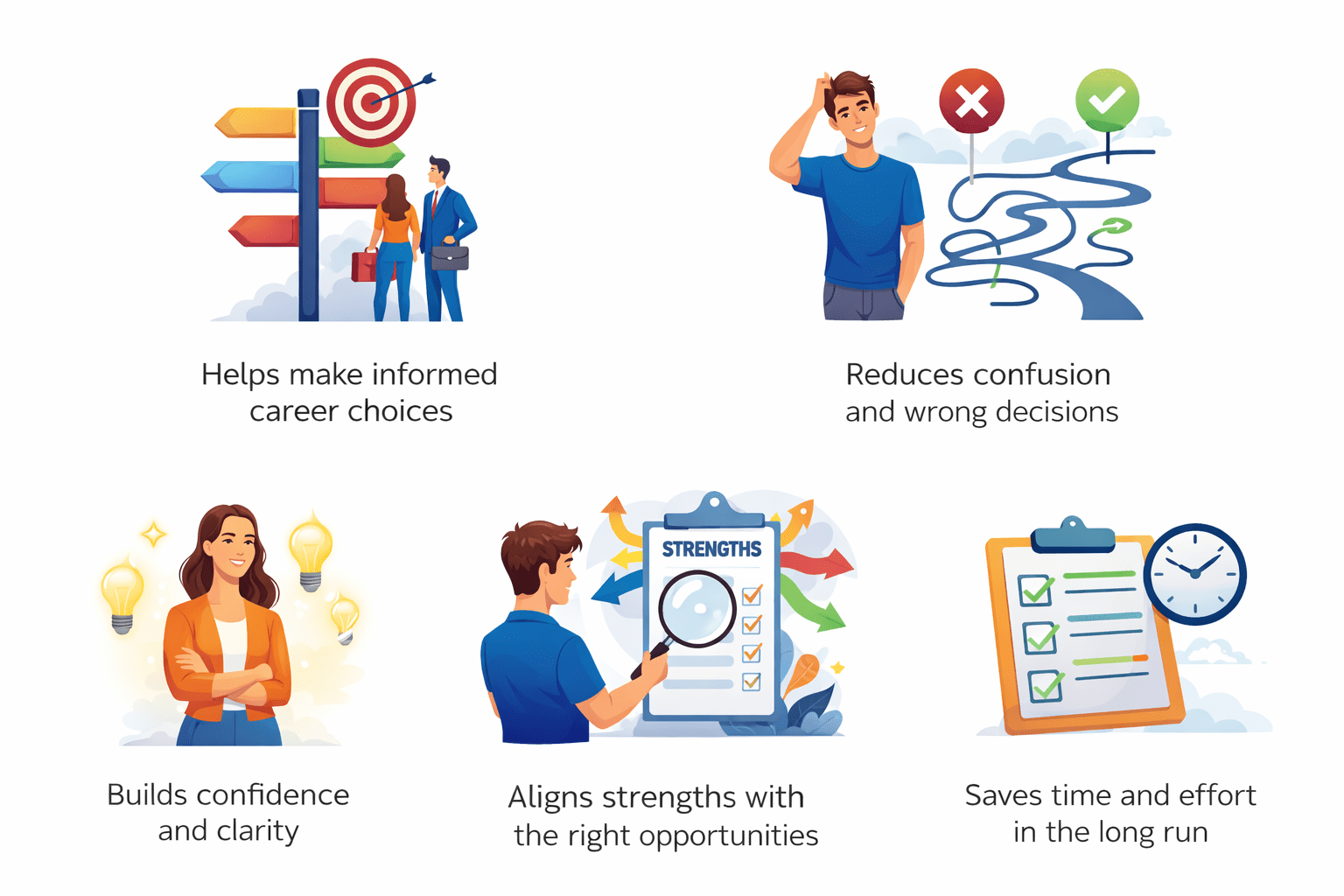
Aligns strengths with the right opportunities
Saves time and effort in the long run
“Right career choices start with self-awareness.”
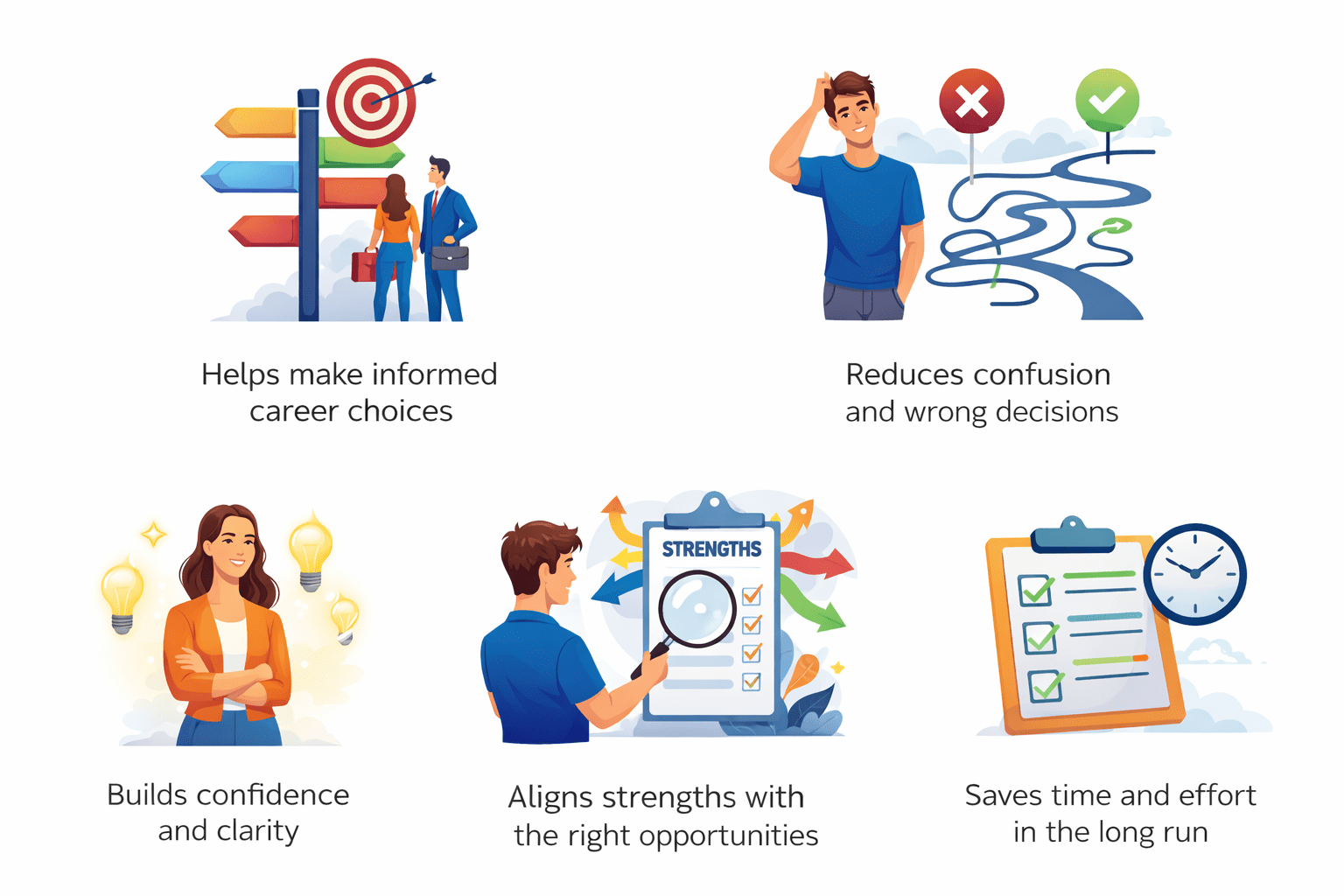
Helps make informed career choices
Reduces confusion and wrong decisions
Builds confidence and clarity
Challenges Without Self-Assessment
Without clarity, every option feels confusing.”
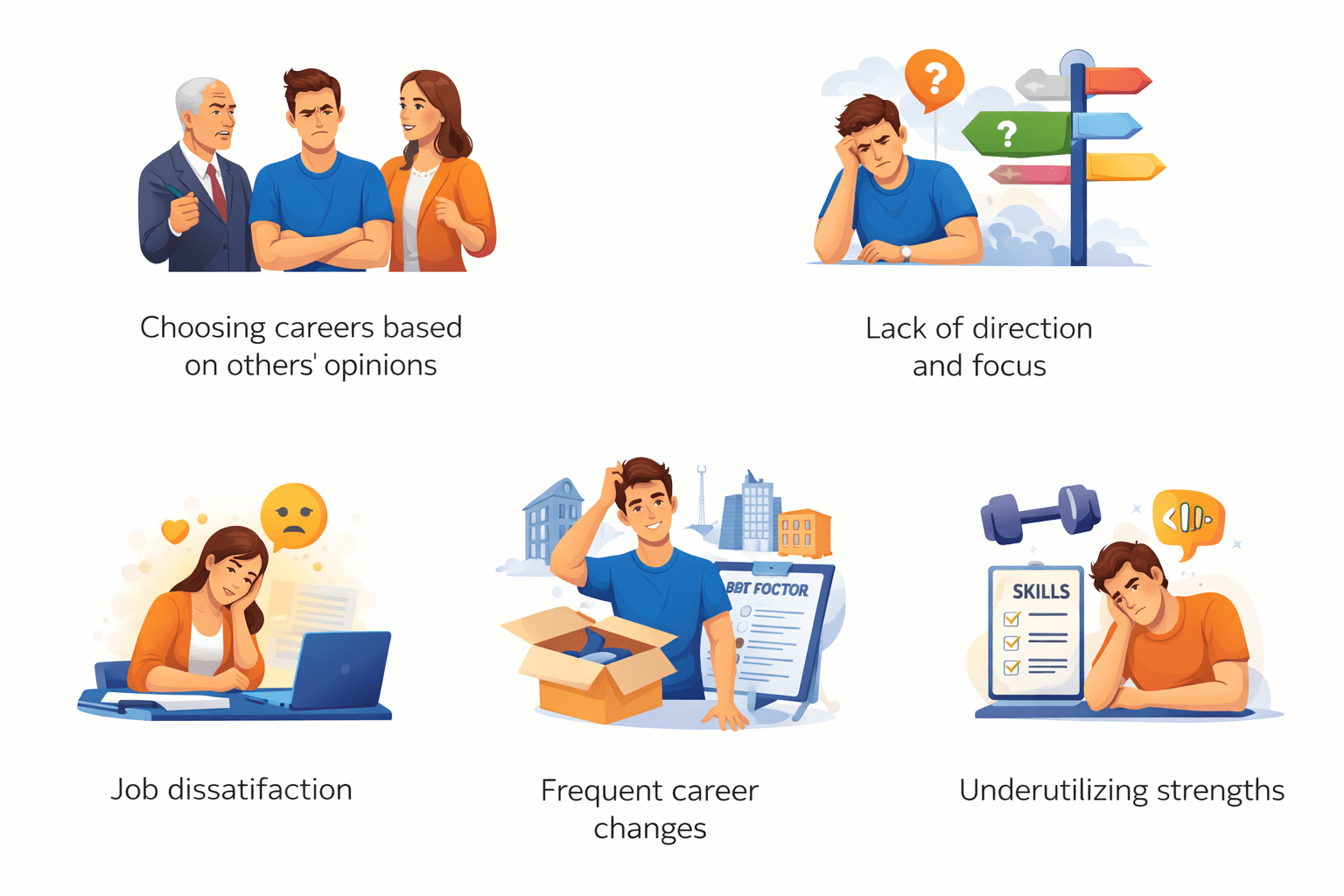
Frequent career changes
Underutilizing strengths
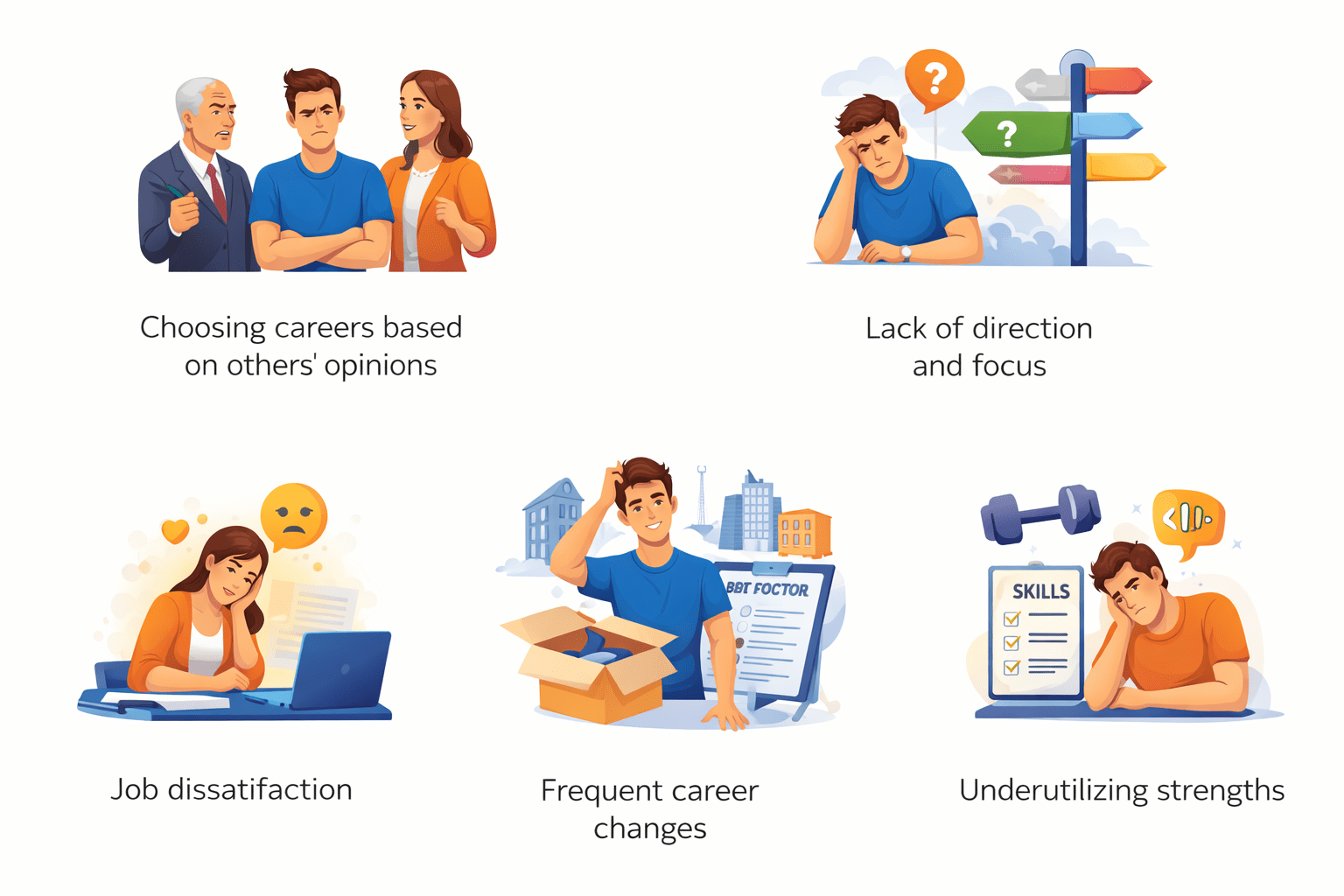
Choosing careers based on others’ opinions
Job dissatisfaction
Lack of direction and focus
What is Self-Assessment?
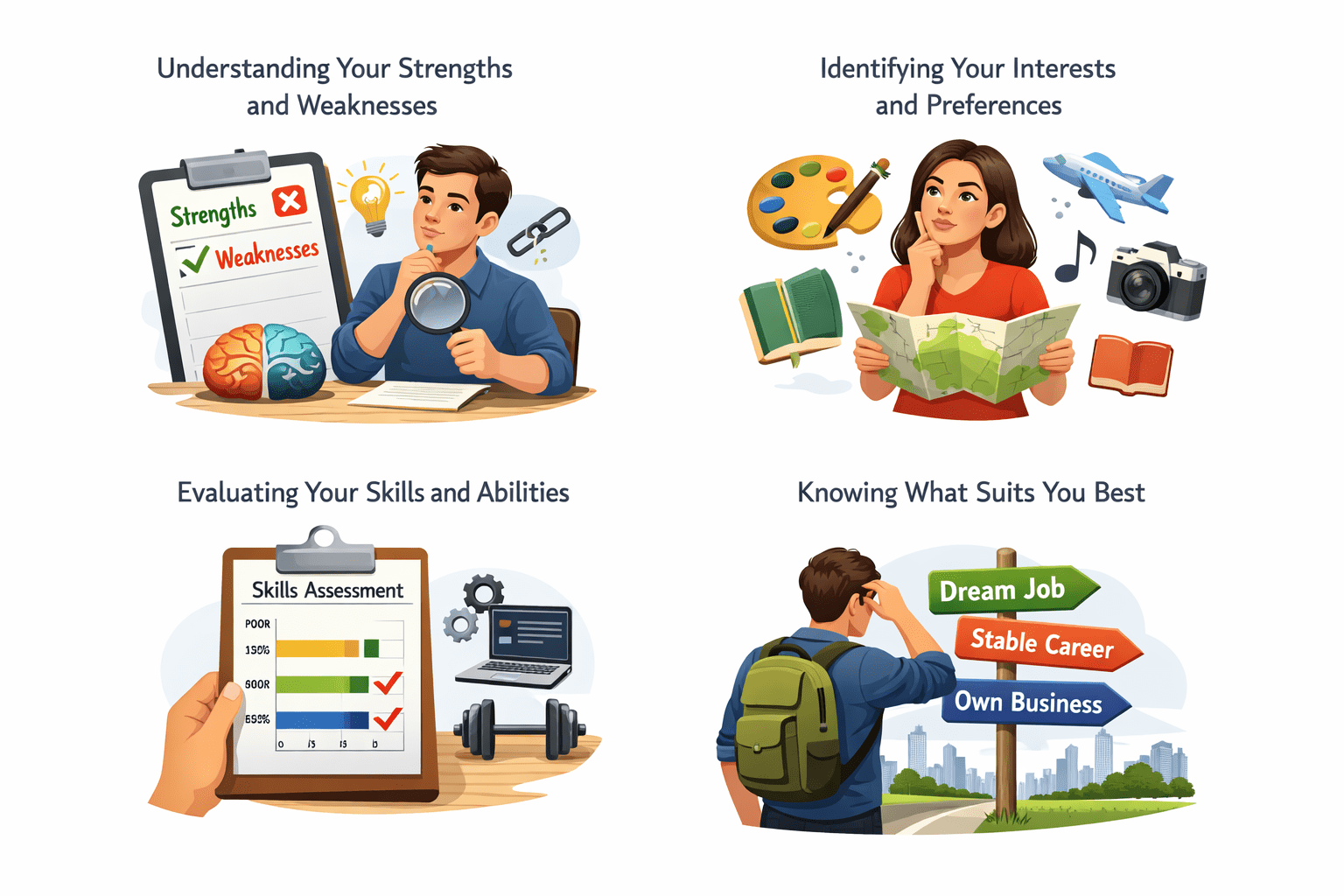
Understanding your strengths and weaknesses
Identifying your interests and preferences
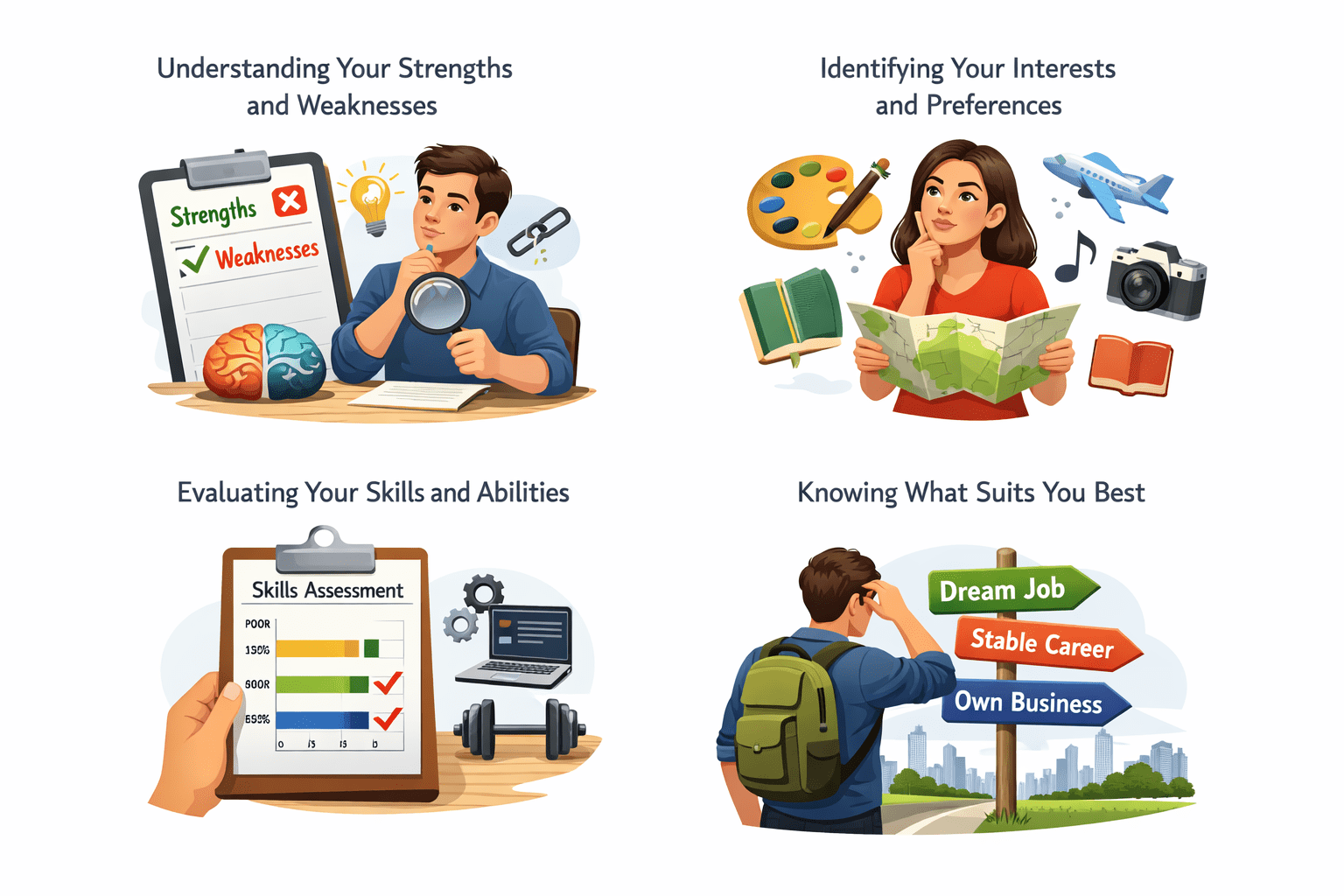
Evaluating your skills and abilities
Knowing what suits you best
What are Strengths & Interests
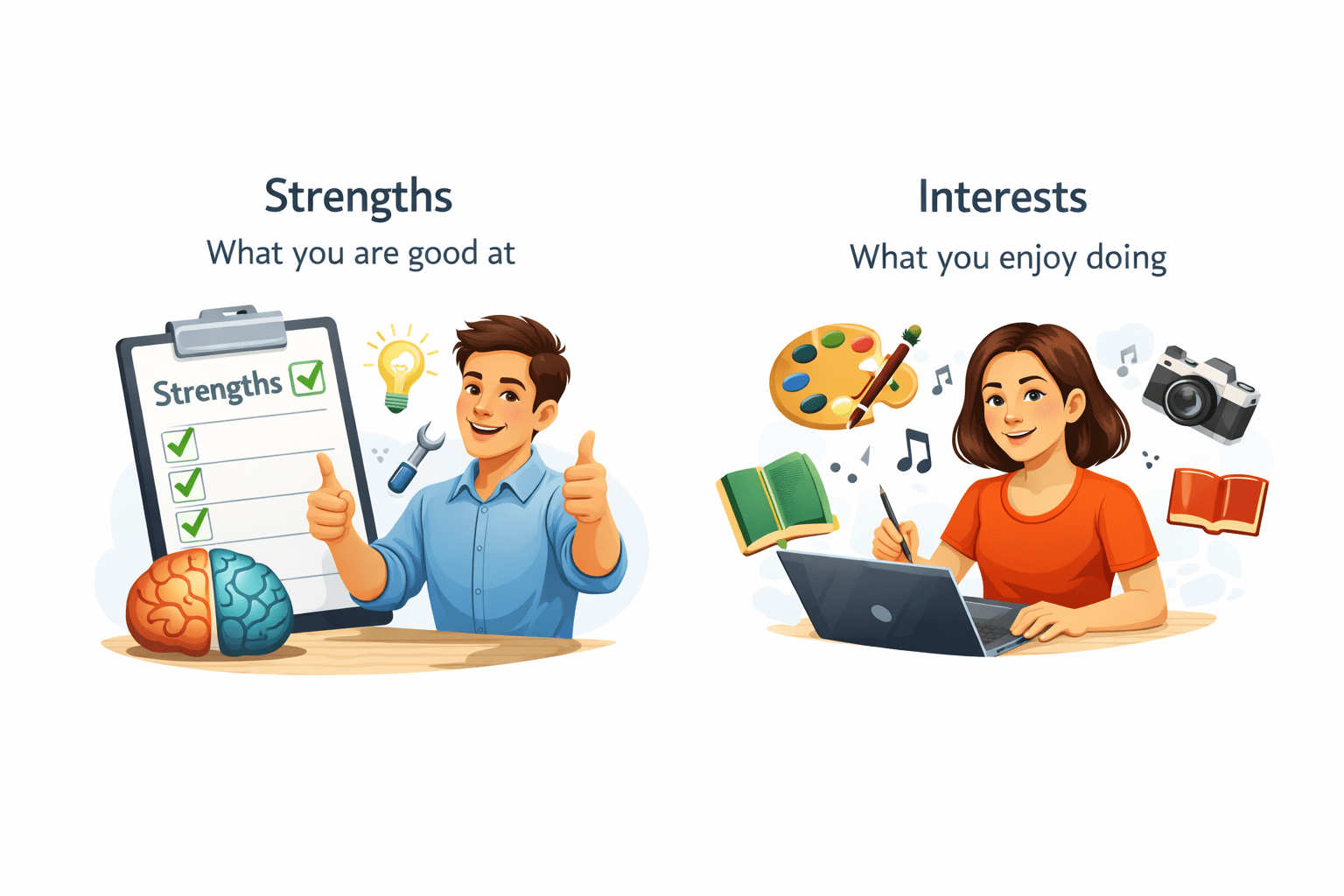
Strengths → What you are good at
Interests → What you enjoy doing
Why SWOT Analysis?
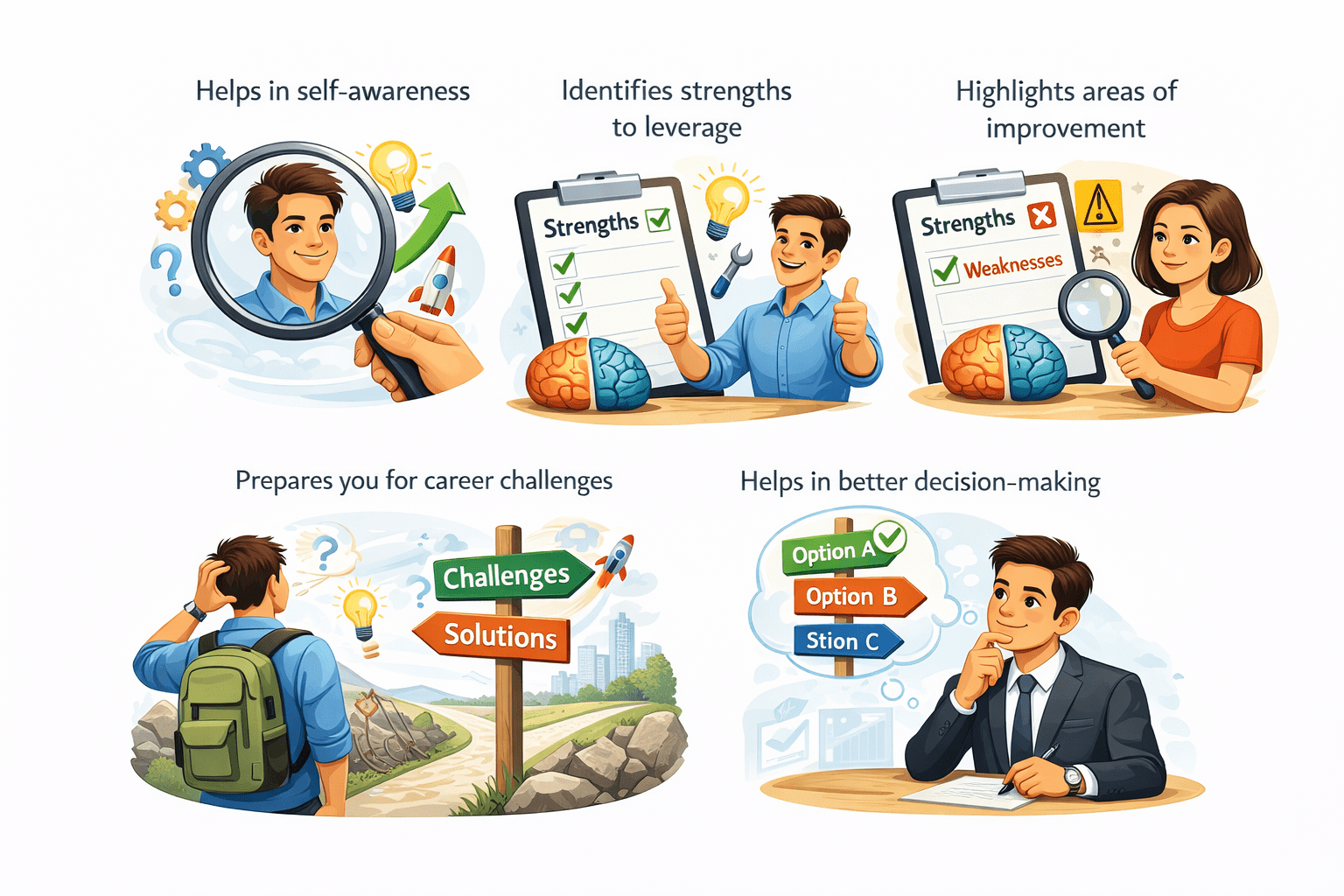
Prepares you for career challenges
Helps in better decision-making
Without self-awareness, career planning becomes guesswork.
Helps in self-awareness
Identifies strengths to leverage
Highlights areas of improvement
Real-Life Connection
Without SWOT:
With SWOT:
“Clarity leads to confidence.”
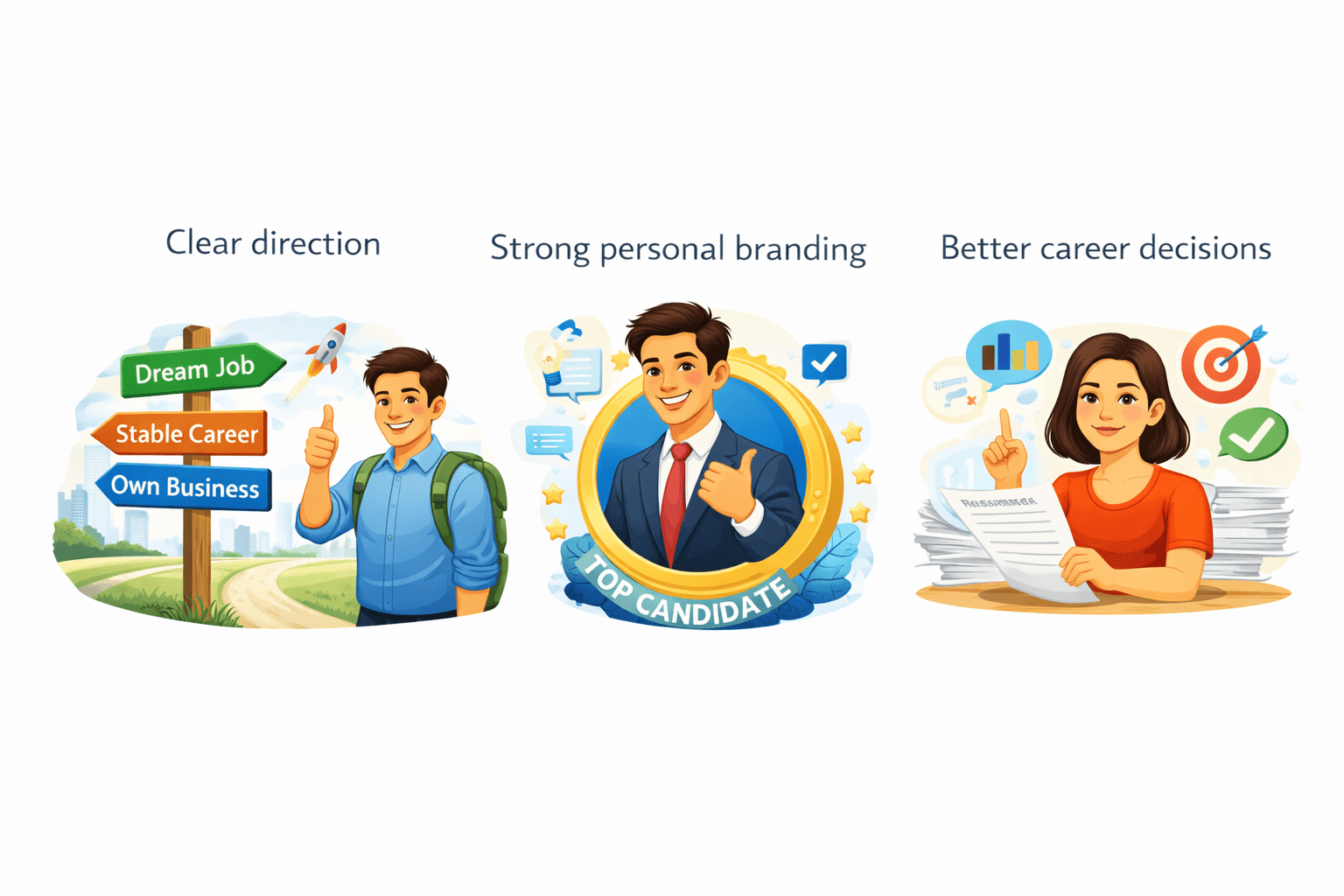
Clear direction
Strong personal branding
Better career decisions
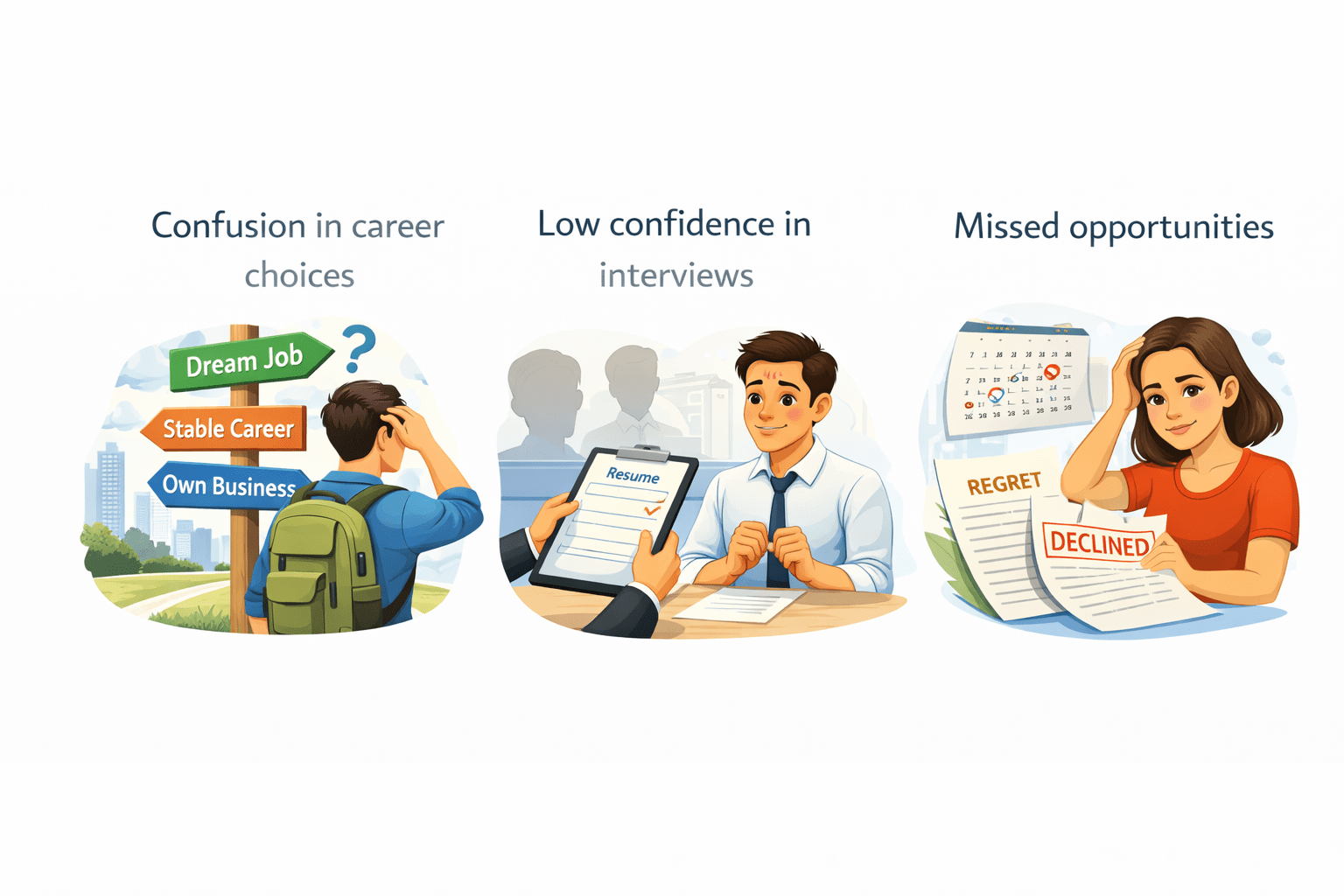
Confusion in career choices
Low confidence in interviews
Missed opportunities
What is SWOT Analysis?
SWOT =
Strengths (What you do well)
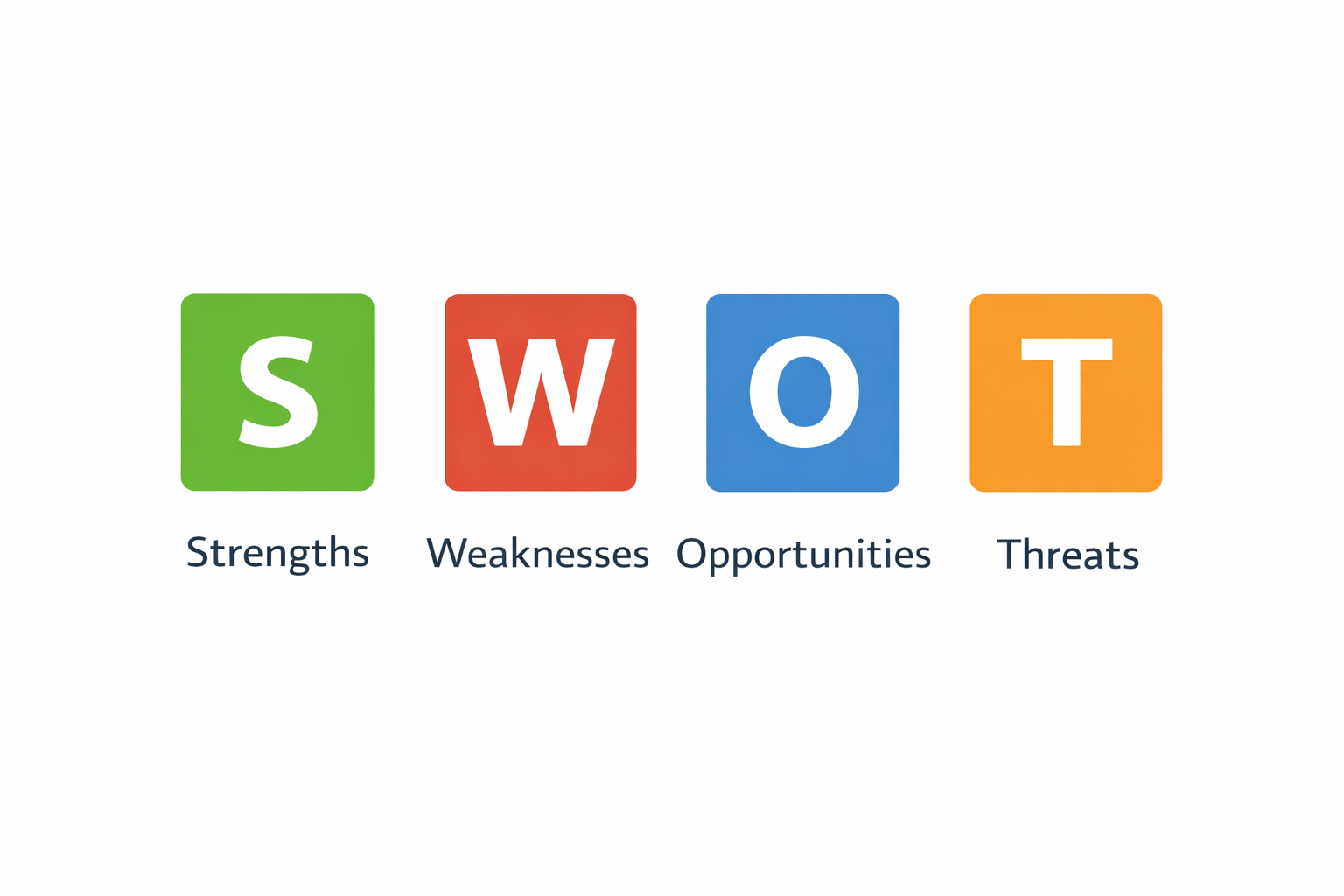
Weaknesses (Areas to improve)
Opportunities (External chances to grow)
Threats (External challenges)
SWOT Breakdown
Strengths
- Skills, talents, achievements
Weaknesses
- Skill gaps, habits, limitations
Opportunities
- Internships, trends, networking
Threats
- Competition, market changes, lack of resources
How to Do SWOT Analysis
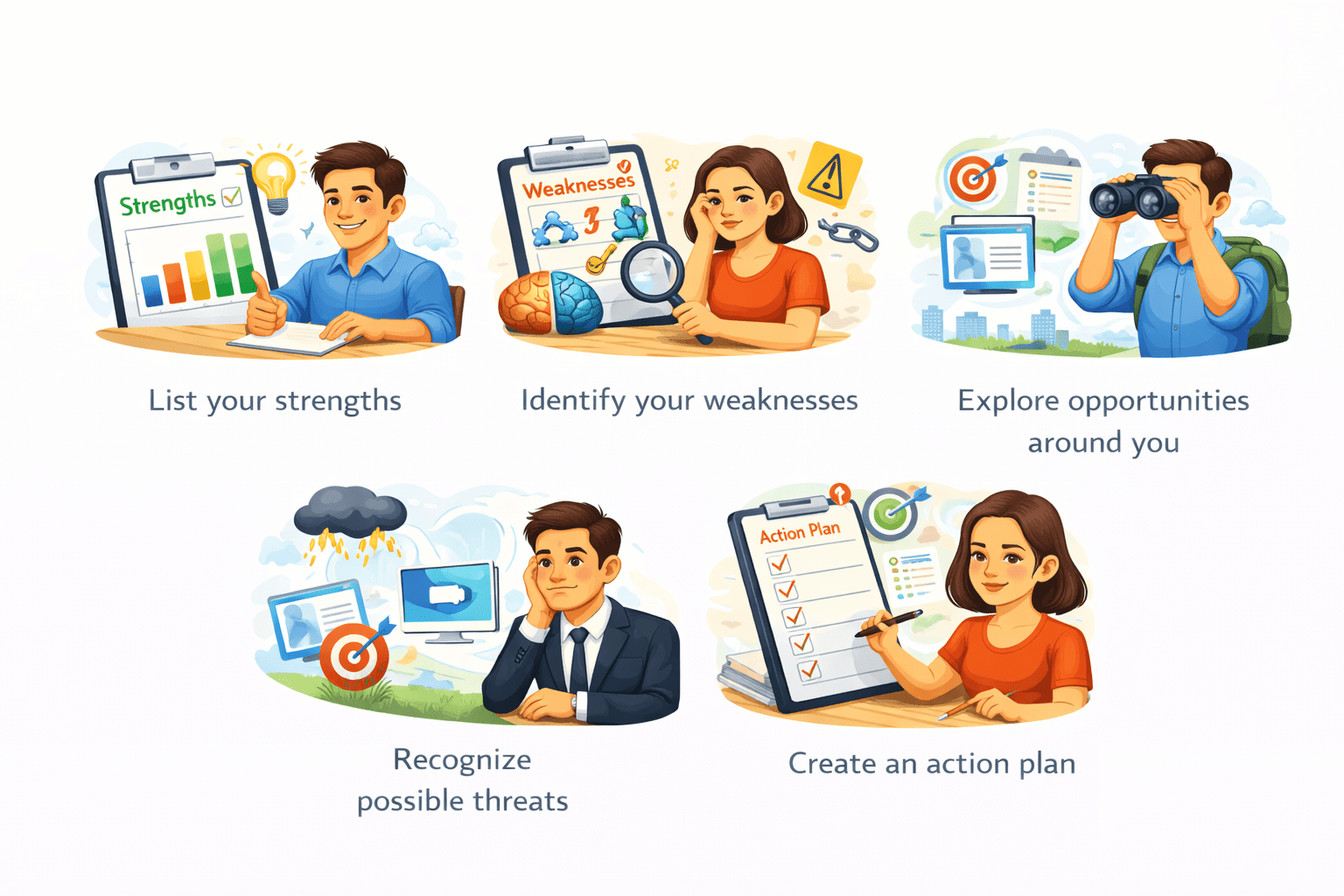
List your strengths
Identify your weaknesses
Explore opportunities around you
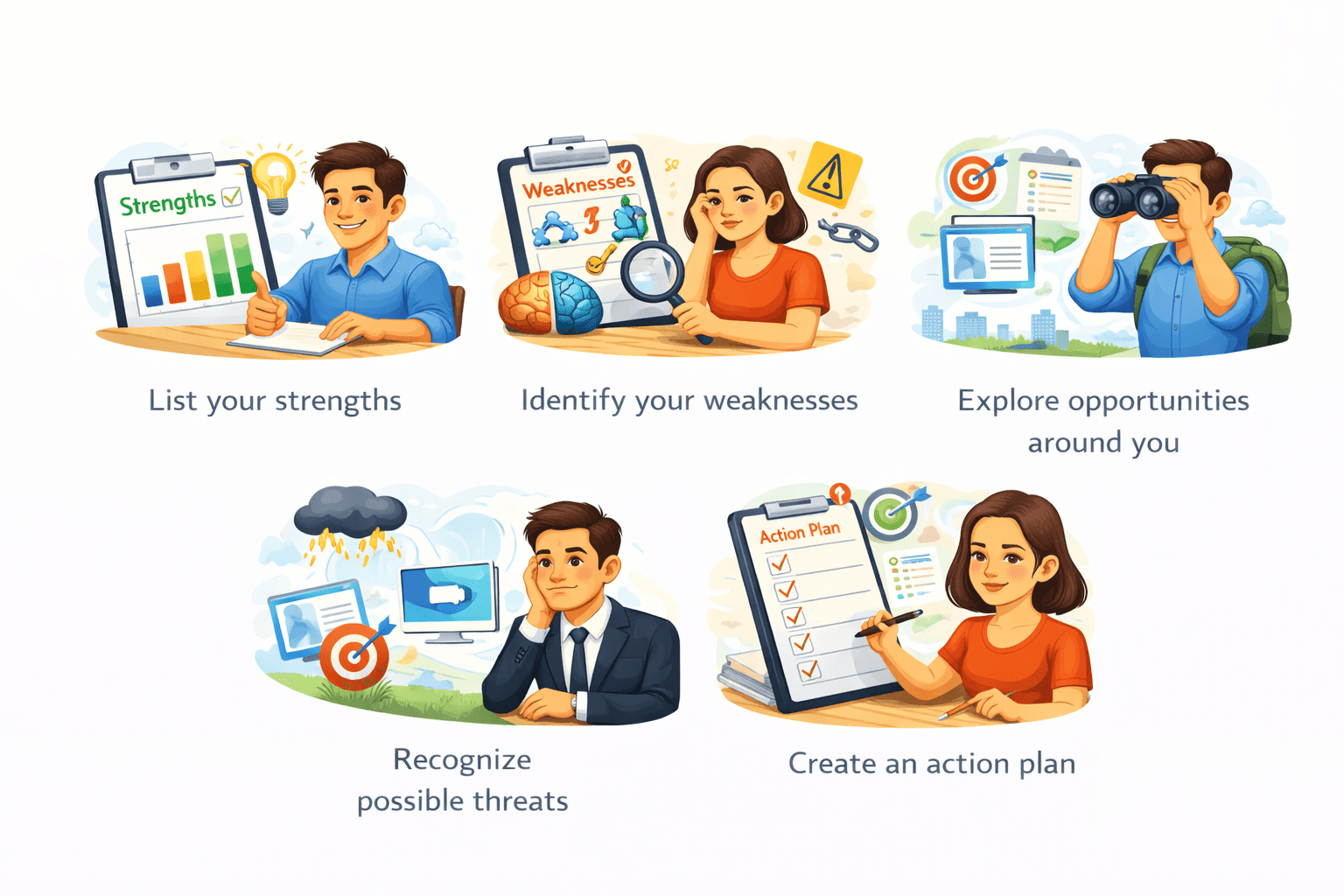
Recognize possible threats
Create an action plan
Guiding Questions
Strengths
-
What am I good at?
-
What skills do people appreciate?
Threats
-
What challenges can stop me?
-
Who is my competition?
Weaknesses
-
What do I struggle with?
-
What feedback do I get?
Opportunities
-
What trends can benefit me?
-
What resources are available?
Example Student SWOT Analysis
Case: Rahul (Engineering Student)
-
Good communication
-
Strong in coding
Strengths:
-
Poor time management
-
Nervous in interviews
Weaknesses:
-
Campus placements
-
Online certifications
Opportunities:
-
High competition
-
Lack of industry experience
Threats:
Turning SWOT into Action
From SWOT to Growth Plan:
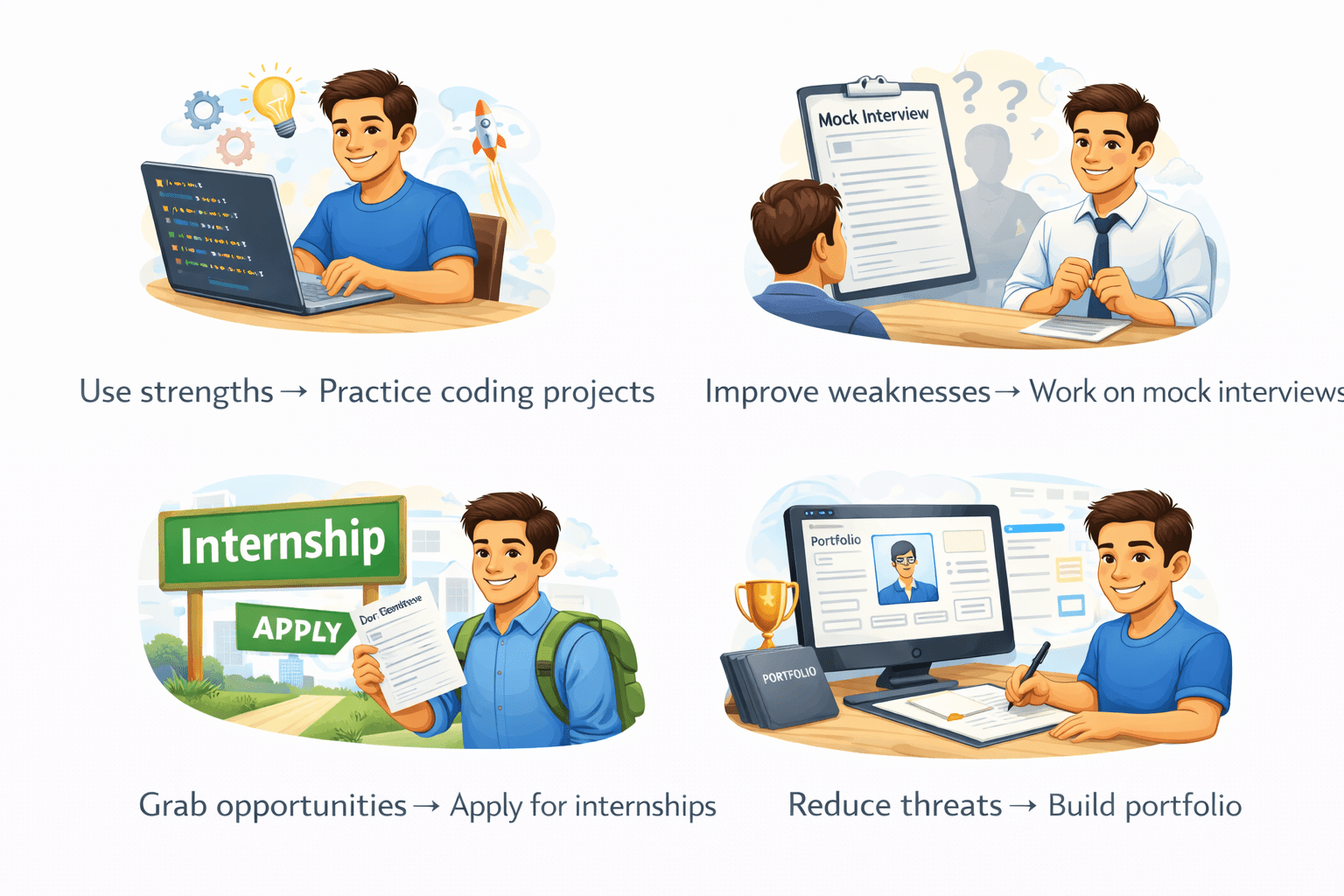
Use strengths → Practice coding projects
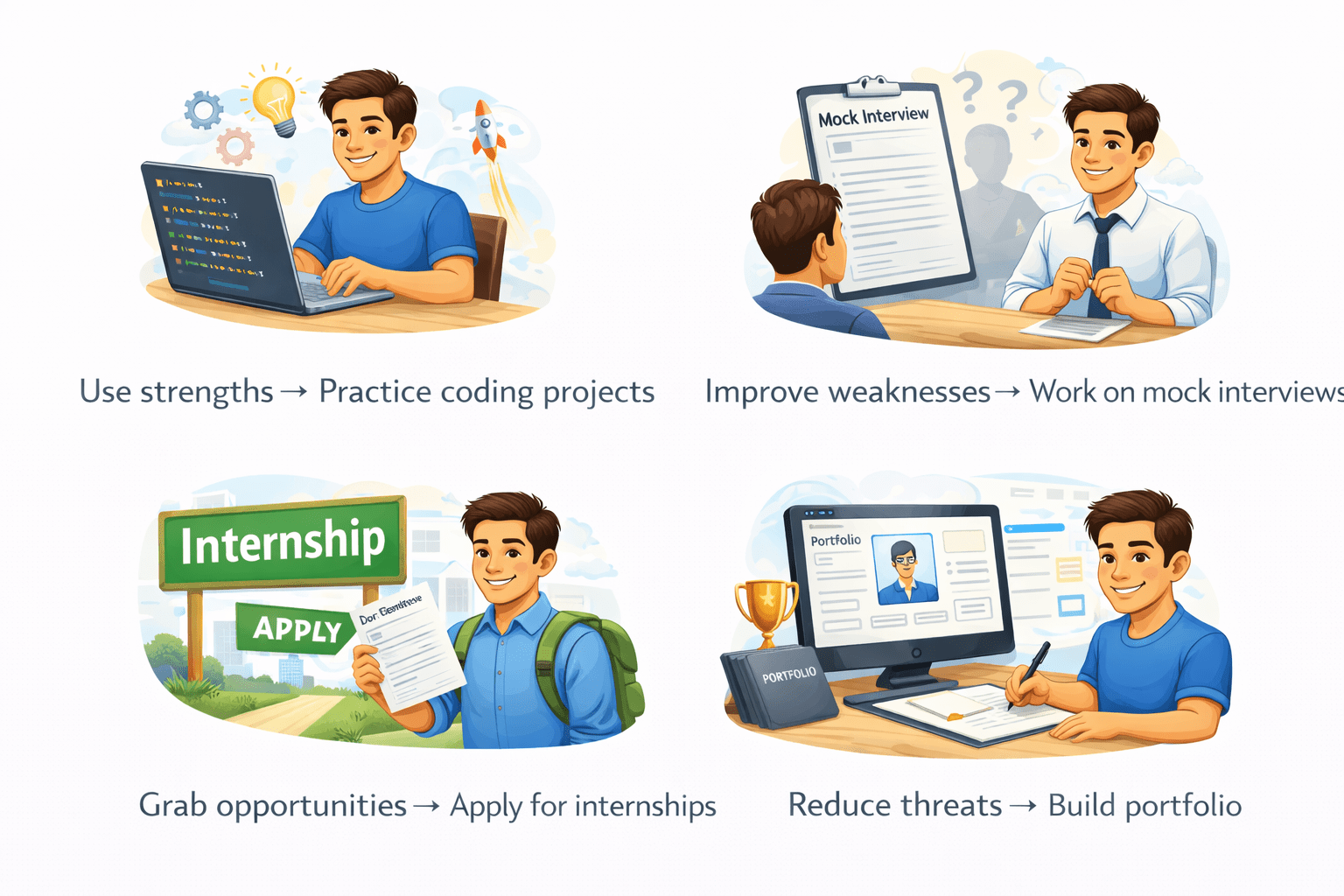
Reduce threats → Build portfolio
Inclass Worksheet Time
Improve weaknesses → Work on mock interviews
Grab opportunities → Apply for internships
SMART Goals framework
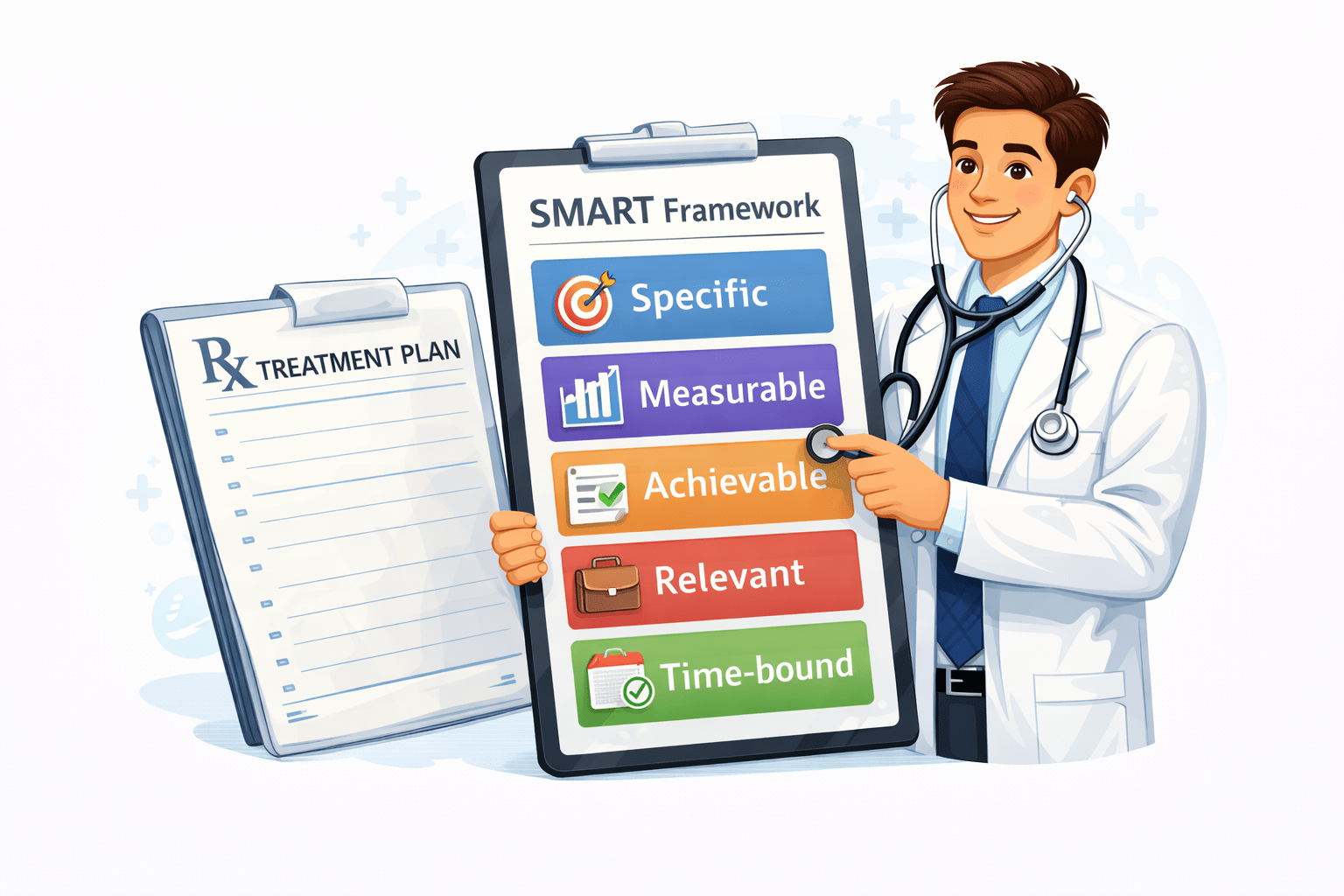
Imagine you’ve diagnosed your current situation using SWOT—
like a doctor identifying the problem.
But diagnosis alone doesn’t cure anything.
You need a treatment plan.
And in career growth, that treatment plan is called the SMART Framework.”
What is the SMART Goals framework?
The SMART Framework is a simple and powerful method used to set clear, achievable goals.
SMART =
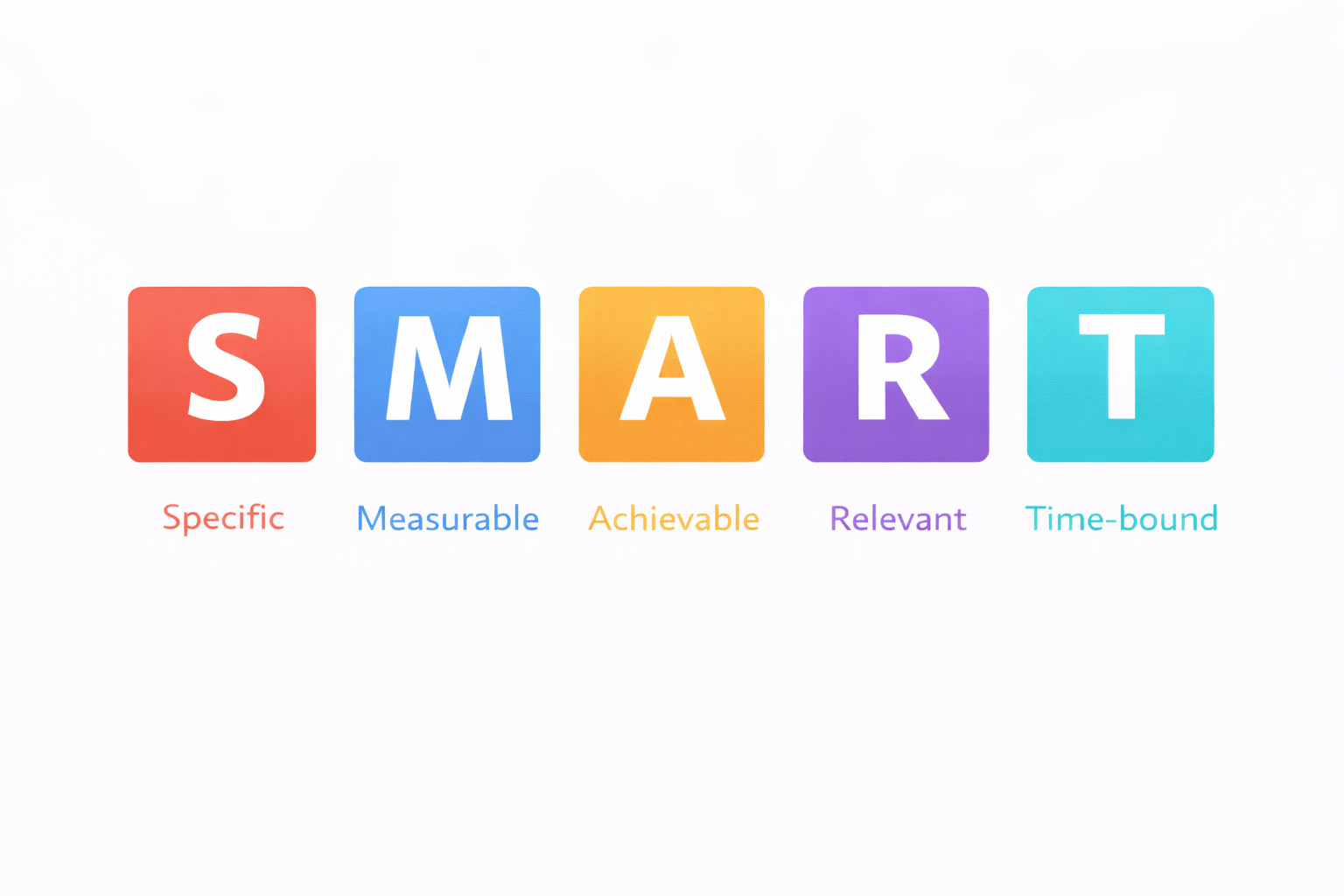
Measurable – Track progress
Achievable – Realistic
Time-bound – Deadline driven
Relevant – Aligned with goals
Specific – Clear and defined
SMART goals bring clarity and structure
Example

Specific: Data Analyst role
-
Measurable: Apply to 4–5 jobs daily + complete 3 projects
-
Achievable: Learn Excel, SQL, Python
-
Relevant: Matches my career interest
-
Time-bound: Within 6 months
SMART Goal: I will become a Data Analyst in 6 months by completing 3 projects, learning key tools, and applying to 5 jobs daily.

Break into Small Steps
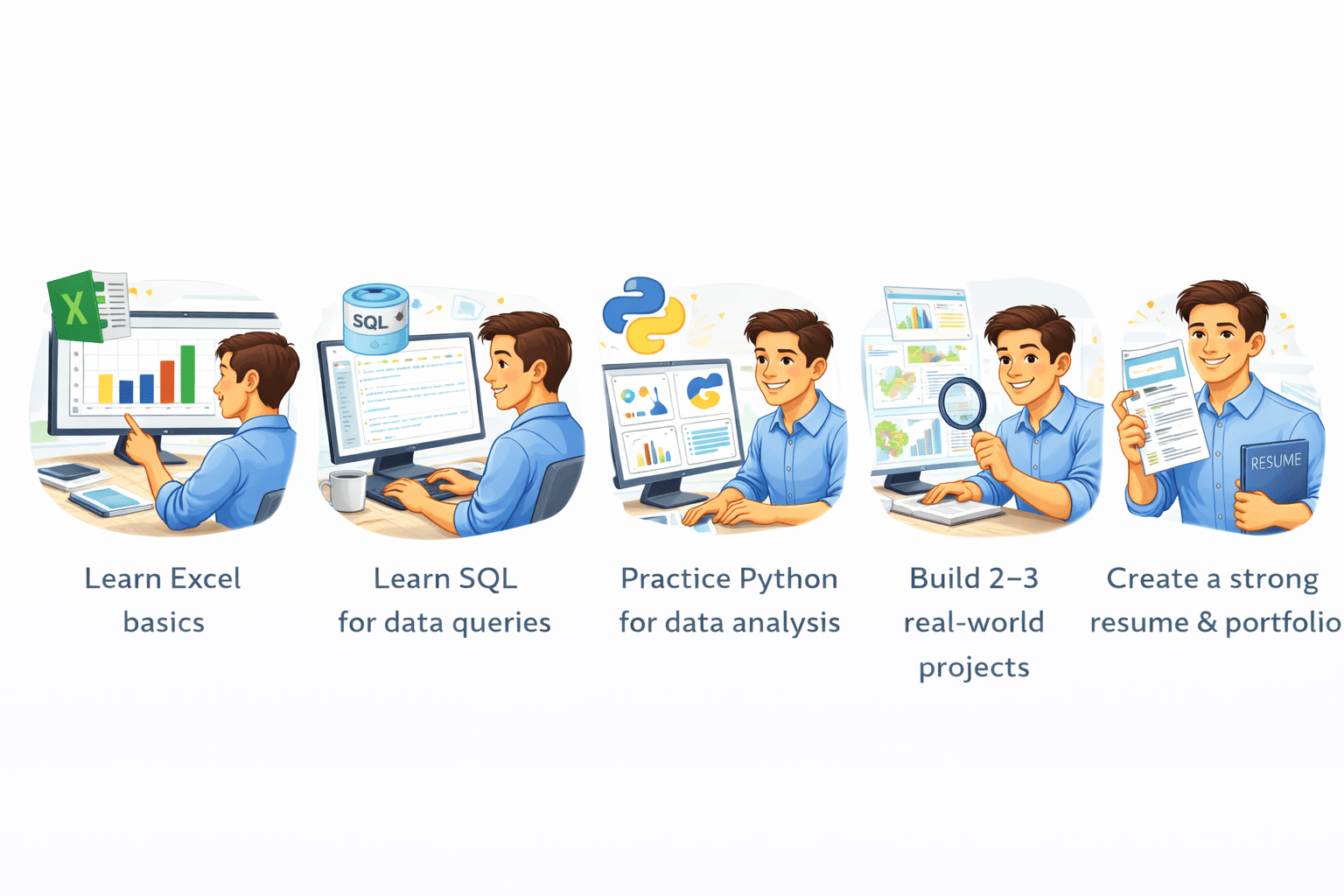
Build 2–3 real-world projects
Create a strong resume & portfolio
Learn Excel basics
Learn SQL for data queries
Practice Python for data analysis
Create an Action Plan
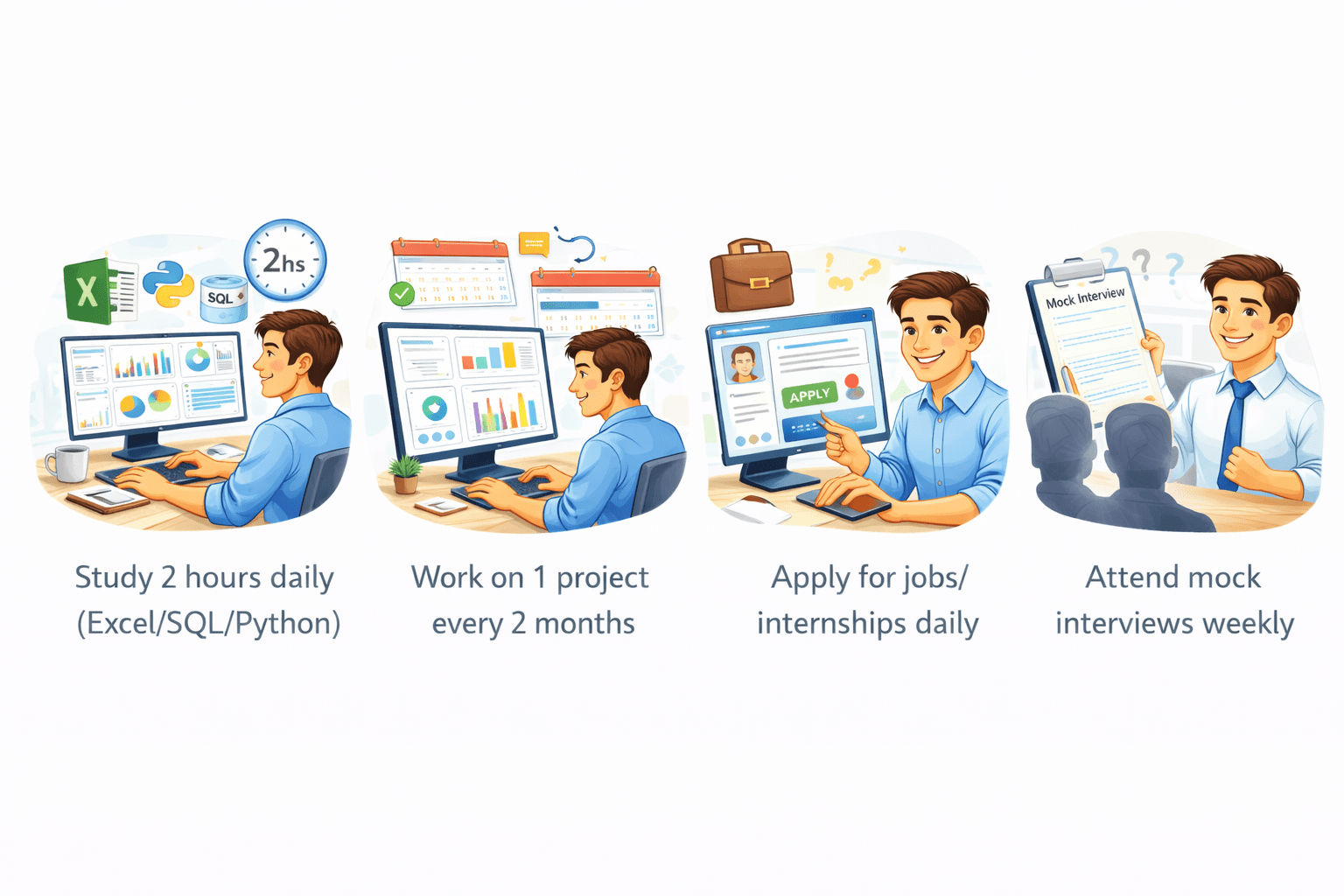
Study 2 hours daily (Excel/SQL/Python)
Work on 1 project every 2 months
Apply for jobs/internships daily
Attend mock interviews weekly
Track and Improve
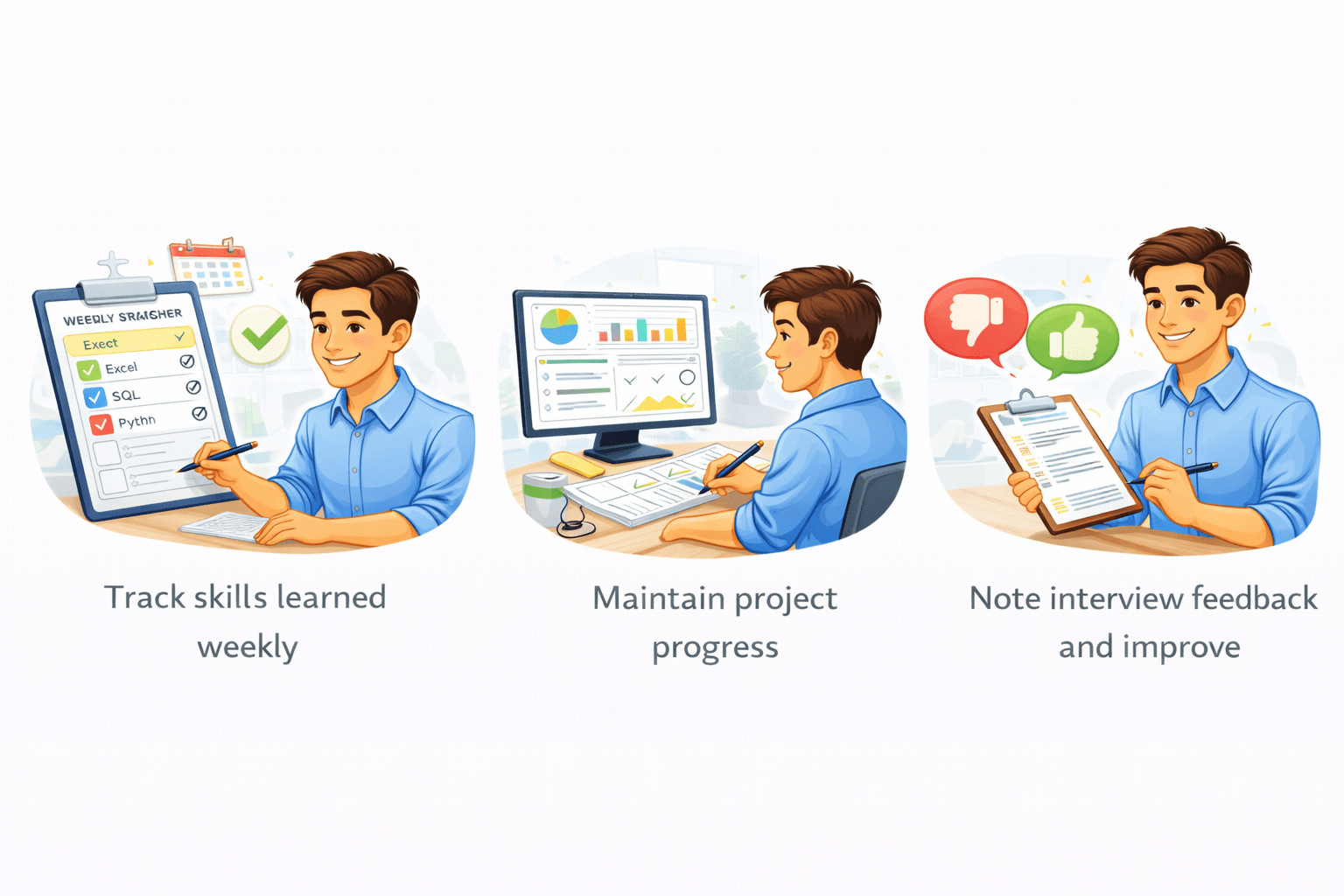
Track skills learned weekly
Maintain project progress
Note interview feedback and improve
Task 2: Create a Goal Tracking Board
Draw 3 columns on paper:
To Do | In Progress | Achieved
Add your goals under To Do
Move them as you start working
Celebrate when they reach Achieved
Activity – Use a Goal App

Task 3: Install & Explore Dreamfora https://www.dreamfora.com/
-
Download the Dreamfora app
-
Add your goals in the app
-
Track your daily progress
-
Stay consistent with reminders
Task 4: Install & Explore https://padlet.com/

Inclass Worksheet Time
Click here for Career Readiness Worksheet
Summary
4
Understood goal types & timelines
3
Broke goals into small, achievable steps
2
Found their direction (personal & career)
1
Turned dreams into clear goals
Quiz
What does SMART stand for in goal setting?
A. Simple, Meaningful, Achievable, Realistic, Timely
B. Specific, Measurable, Achievable, Relevant, Timebound
C. Strong, Manageable, Accurate, Realistic, Timely
D. Specific, Motivated, Active, Realistic, Tough

Quiz-Answer
What does SMART stand for in goal setting?
A. Simple, Meaningful, Achievable, Realistic, Timely
B. Specific, Measurable, Achievable, Relevant, Timebound
C. Strong, Manageable, Accurate, Realistic, Timely
D. Specific, Motivated, Active, Realistic, Tough
