

Time-Resolving Explorer

Ref Bari (Advisor: Prof. Brendan Keith)
Imaging Black Holes with 2D Inteferometry
Time-Resolving Explorer
Ref Bari (Advisor: Prof. Brendan Keith)
Imaging Black Holes with 2D Inteferometry
Time-Resolving Explorer
Ref Bari (Advisor: Prof. Brendan Keith)
Imaging Black Holes with 2D Inteferometry
Time-Resolving Explorer
Ref Bari (Advisor: Prof. Brendan Keith)
Imaging Black Holes with 2D Inteferometry
Time-Resolving Explorer
Ref Bari (Advisor: Prof. Brendan Keith)
Imaging Black Holes with 2D Inteferometry
Team

Chicha
Henry


Neil

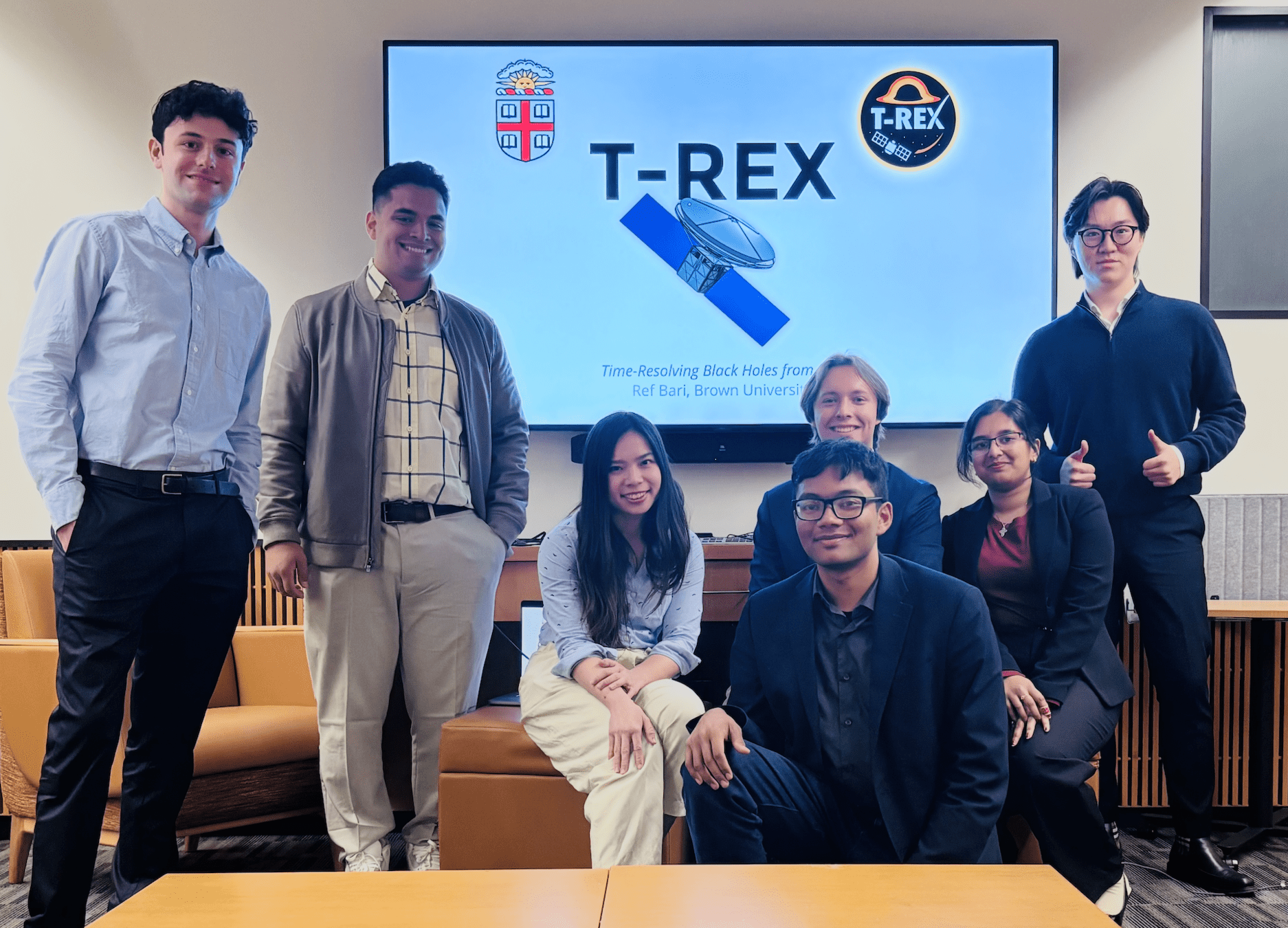

Mia
Kaylee

Ahaan

Sharanya
Graham


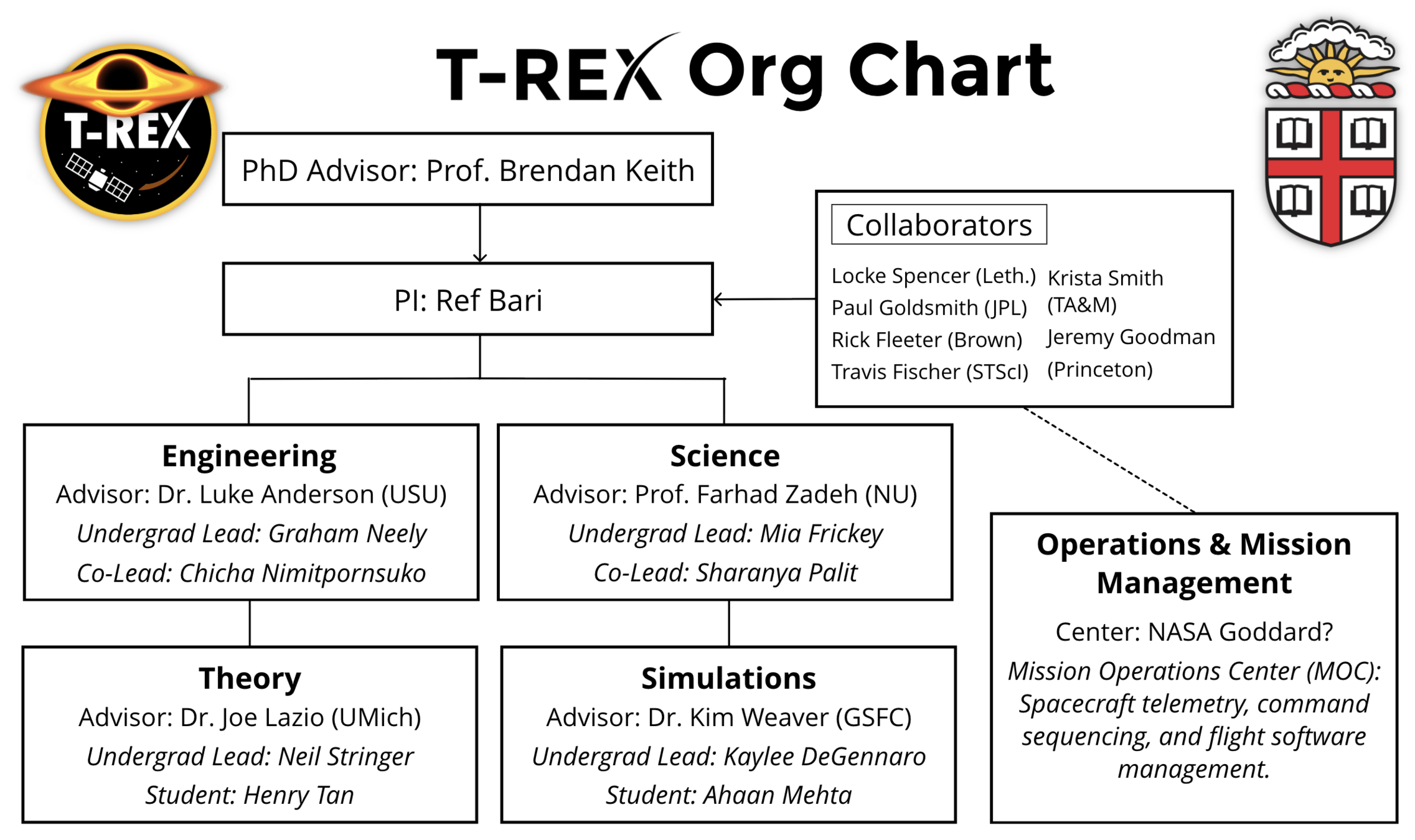
Joe Lazio (UMich)
Contents
- Primary Science Objectives
- Mission Parameters
- Concept of Operations
- SWaPC Requirements
- Timeline & Next Steps
Contents
- Primary Science Objectives
- Mission Parameters
- Concept of Operations
- SWaPC Requirements
- Timeline & Next Steps
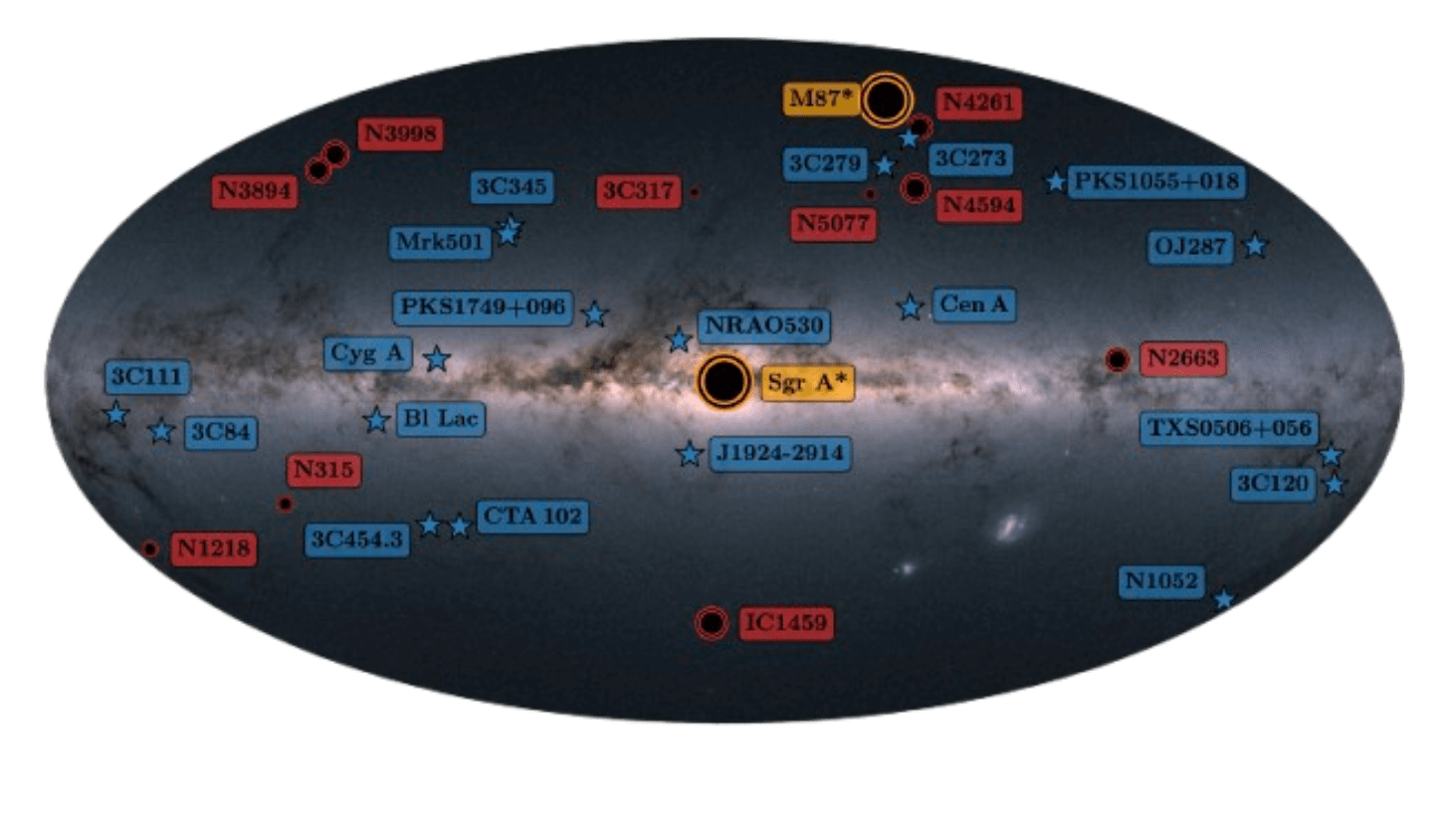
Primary Science Target
Secondary Science Target
T-REX answers the big questions posed by Astro2020 Decadal Survey
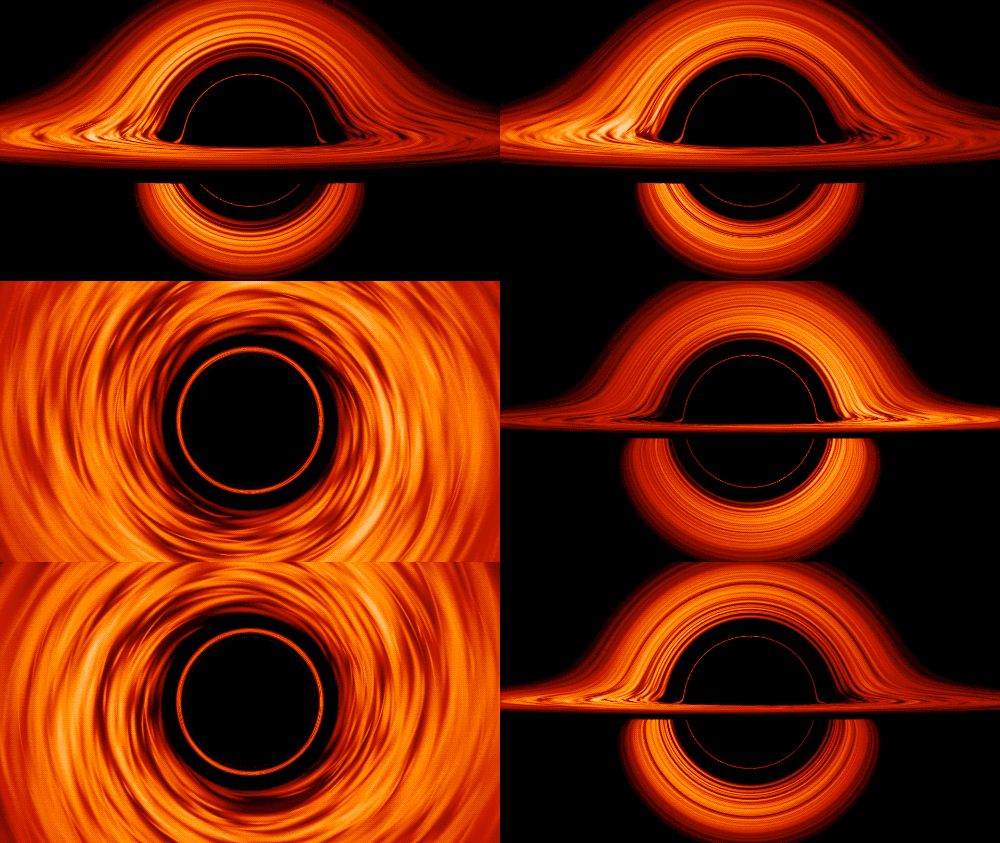
What governs black hole spin and accretion flow?
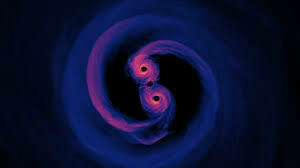
Do binary black holes cause the nHz gravity wave background?
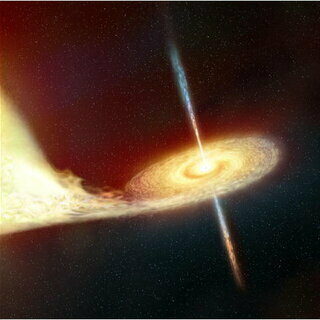
What powers relativistic jets in AGNs?
Credit: Sharanya Palit, Ref
T-REX answers the big questions posed by Astro2020 Decadal Survey
What governs black hole spin and accretion flow?
Do binary black holes cause the nHz gravity wave background?
What powers relativistic jets in AGNs?
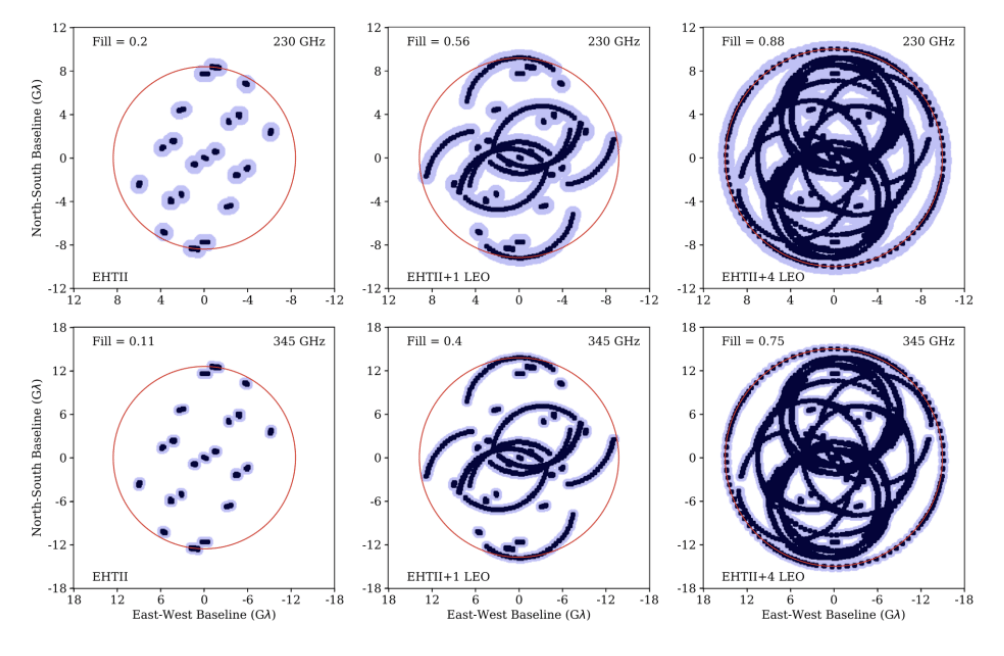
T-REX answers the big questions posed by Astro2020 Decadal Survey
What governs black hole spin and accretion flow?
Do binary black holes cause the nHz gravity wave background?
What powers relativistic jets in AGNs?
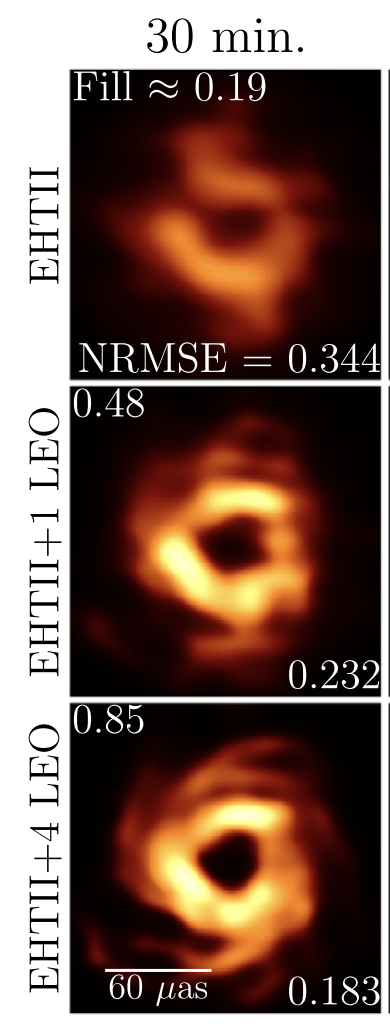
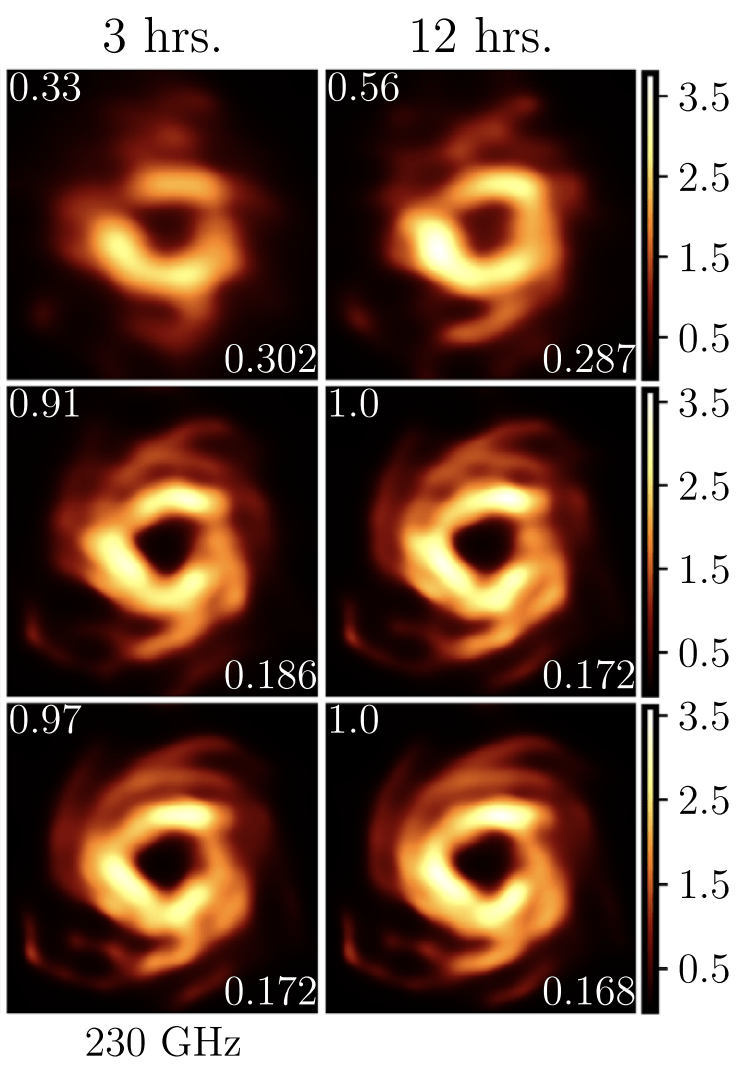
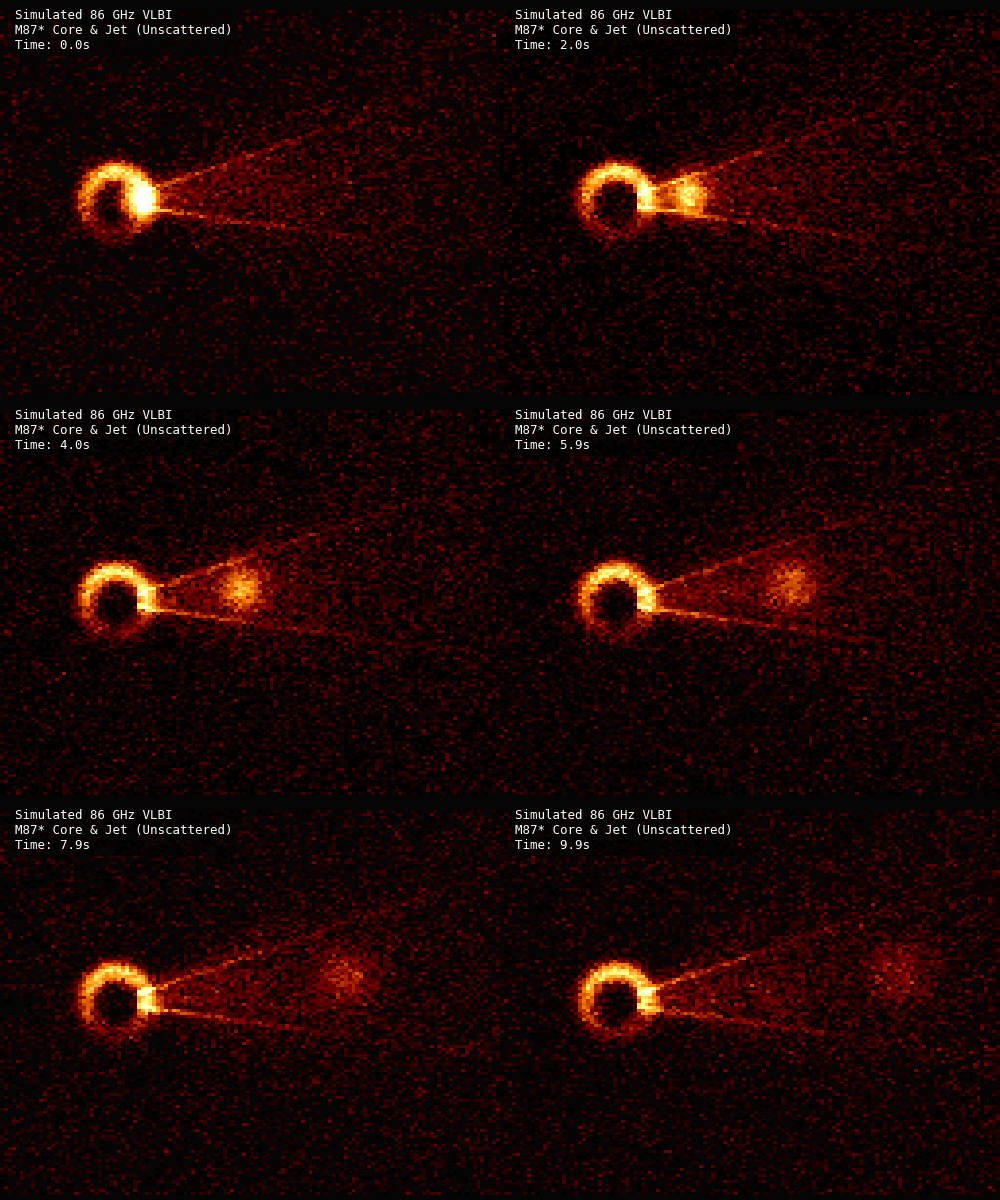
"Space VLBI: Time-resolving Sgr A* with the Event Horizon Telescope" Palumbo et. al. ApJ 2019
T-REX answers the big questions posed by Astro2020 Decadal Survey
What governs black hole spin and accretion flow?
Do binary black holes cause the nHz gravity wave background?
What powers relativistic jets in AGNs?
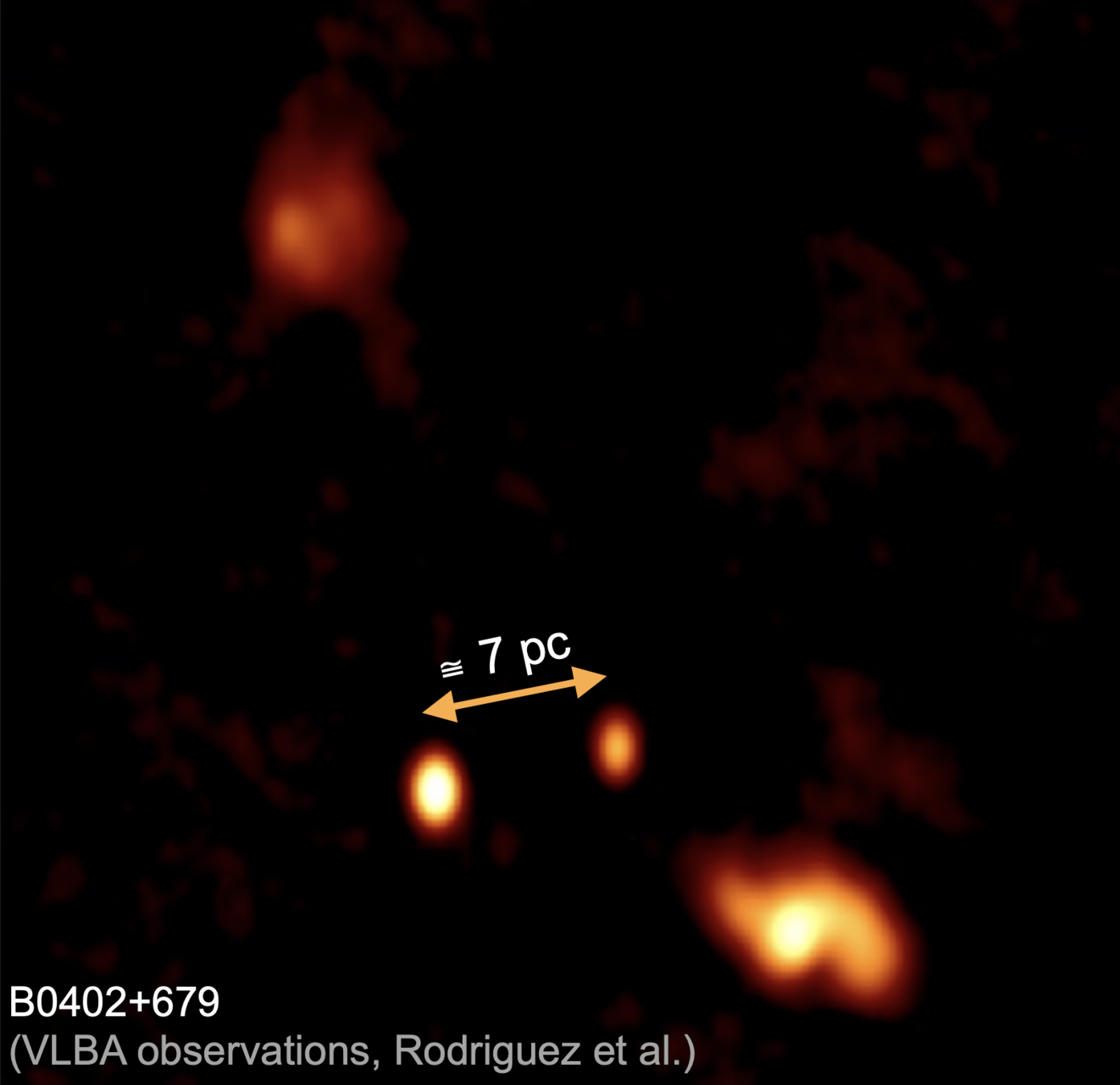
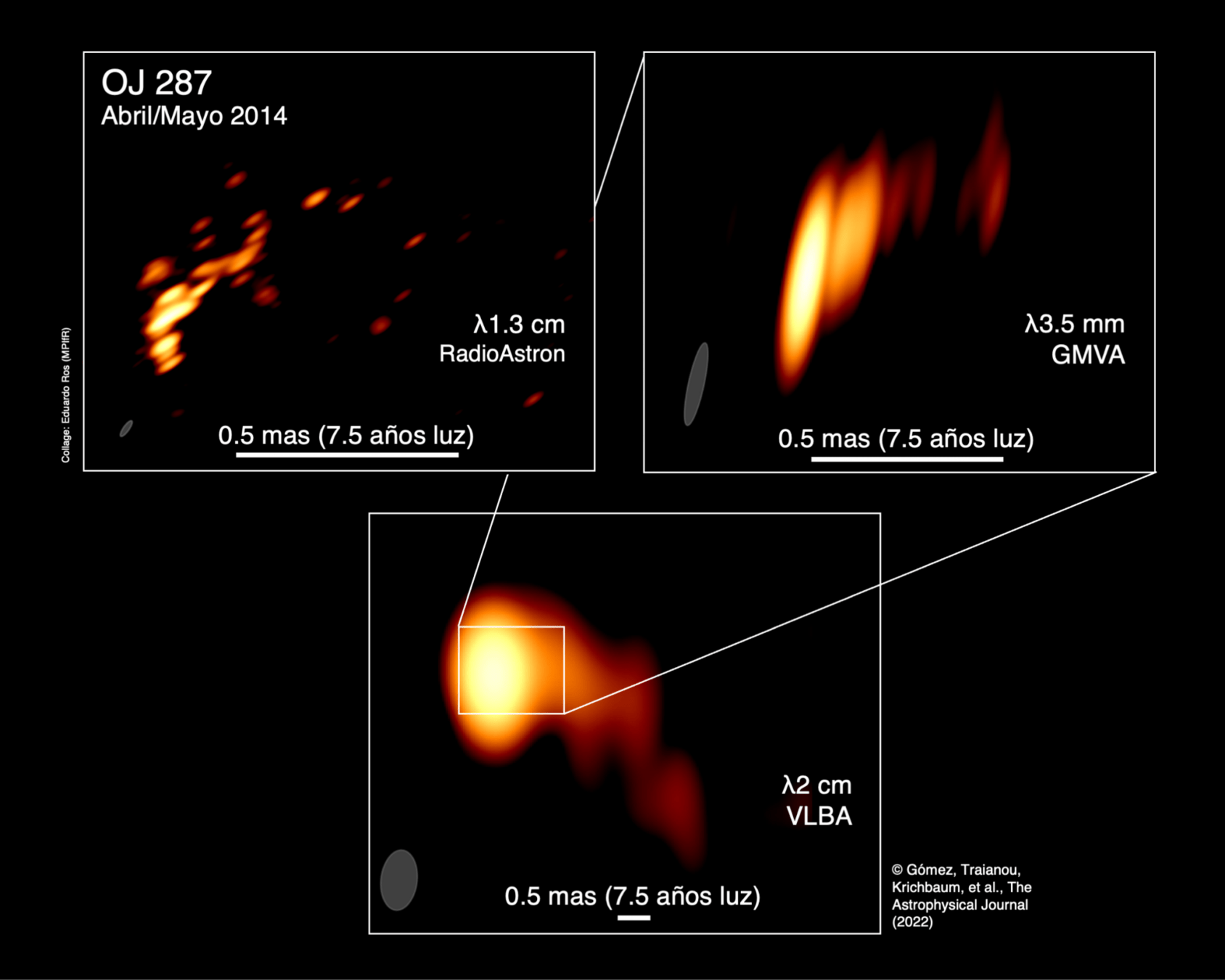
Joe Lazio (UMich)
T-REX answers the big questions posed by Astro2020 Decadal Survey
What governs black hole spin and accretion flow?
Do binary black holes cause the nHz gravity wave background?
What powers relativistic jets in AGNs?
Joe Lazio (UMich)
Contents
- Primary Science Objectives
- Mission Parameters
- Concept of Operations
- SWaPC Requirements
- Timeline & Next Steps
Data
Duty Cycle
Mission Parameters
Incoming: 64 Gb/s
Storage
6 TB (48,000 Gb) SpaceCube Mini SSDR
Outgoing: 10 Gb/s
Cross-Link
Correlator
180 Gb/s incoming from 18 DiskSats (153 baselines)
Data Rate
Duty Cycle
Mission Parameters
Incoming: 64 Gb/s
Storage
6 TB (48,000 Gb)
SpaceCube Mini SSDR
Outgoing: 10 Gb/s
Cross-Link
Correlator
180 Gb/s incoming
18 DiskSats (153 baselines)
T-REX
BHEX
RadioAstron
Ground Correlation
Ground Correlation
Incoming: 64 Gb/s
Live Downlink
No Onboard Storage
Live Downlink
No Onboard Storage
Outgoing: 100 Gb/s
Live Downlink
No Onboard Storage
Incoming: 144 Mb/s
Outgoing: 144 Mb/s
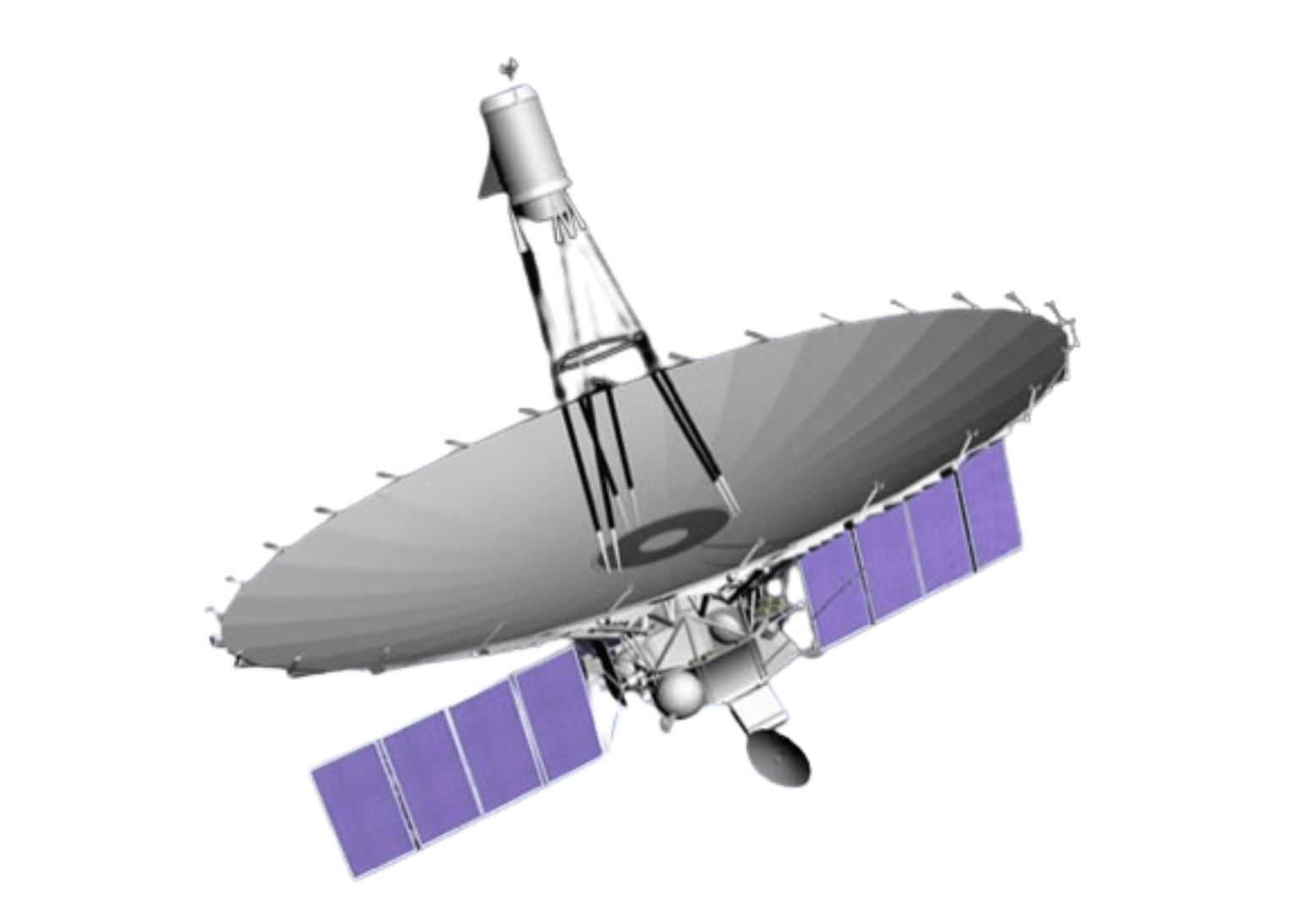
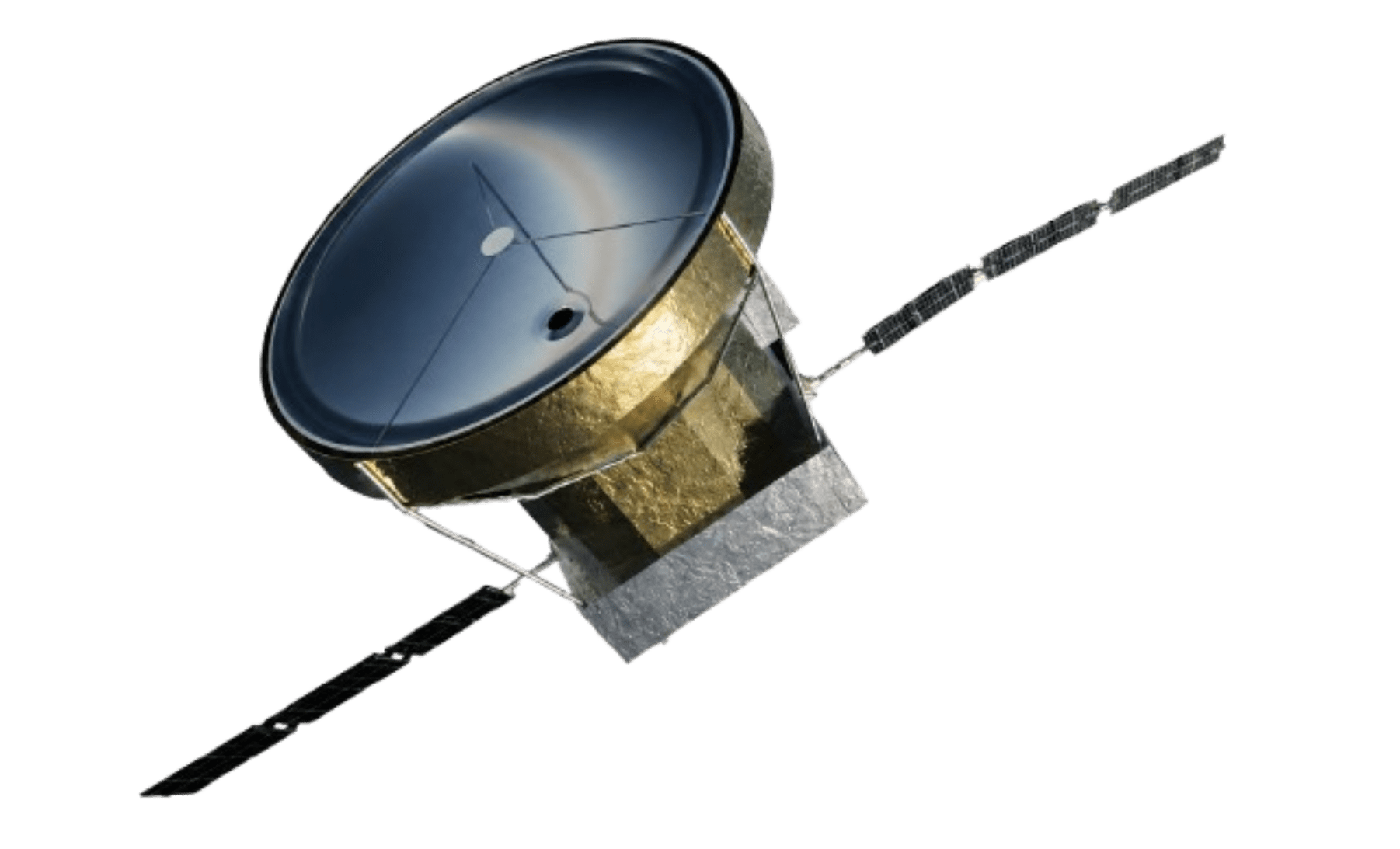
Data Rate
Duty Cycle
Mission Parameters
Incoming: 64 Gb/s
Storage
6 TB (48,000 Gb)
SpaceCube Mini SSDR
Outgoing: 10 Gb/s
Cross-Link
Correlator
180 Gb/s incoming
18 DiskSats (153 baselines)
T-REX
BHEX
RadioAstron
Ground Correlation
Ground Correlation
Incoming: 64 Gb/s
Live Downlink
No Onboard Storage
Live Downlink
No Onboard Storage
Outgoing: 100 Gb/s
Live Downlink
No Onboard Storage
Incoming: 144 Mb/s
Outgoing: 144 Mb/s
Data Rate
Duty Cycle
Mission Parameters
Storage
Cross-Link
Correlator
BHEX
RadioAstron
Ground Correlation
Ground Correlation
Incoming: 64 Gb/s
Live Downlink
No Onboard Storage
Live Downlink
No Onboard Storage
Outgoing: 100 Gb/s
Live Downlink
No Onboard Storage
Incoming: 144 Mb/s
Outgoing: 144 Mb/s
Incoming: 64 Gb/s
6 TB (48,000 Gb)
SpaceCube Mini SSDR
Outgoing: 10 Gb/s
180 Gb/s incoming
18 DiskSats (153 baselines)
T-REX
Data Rate
Duty Cycle
Mission Parameters
Incoming: 64 Gb/s
Storage
6 TB (48,000 Gb)
SpaceCube Mini SSDR
Outgoing: 10 Gb/s
Cross-Link
Correlator
180 Gb/s incoming
18 DiskSats (153 baselines)
T-REX
BHEX
RadioAstron
Ground Correlation
Ground Correlation
Incoming: 64 Gb/s
Live Downlink
No Onboard Storage
Outgoing: 100 Gb/s
Incoming: 144 Mb/s
Outgoing: 144 Mb/s
Live Downlink
15 GHz high-gain RF downlink
Mission Parameters
SEFD
USO
Orbit
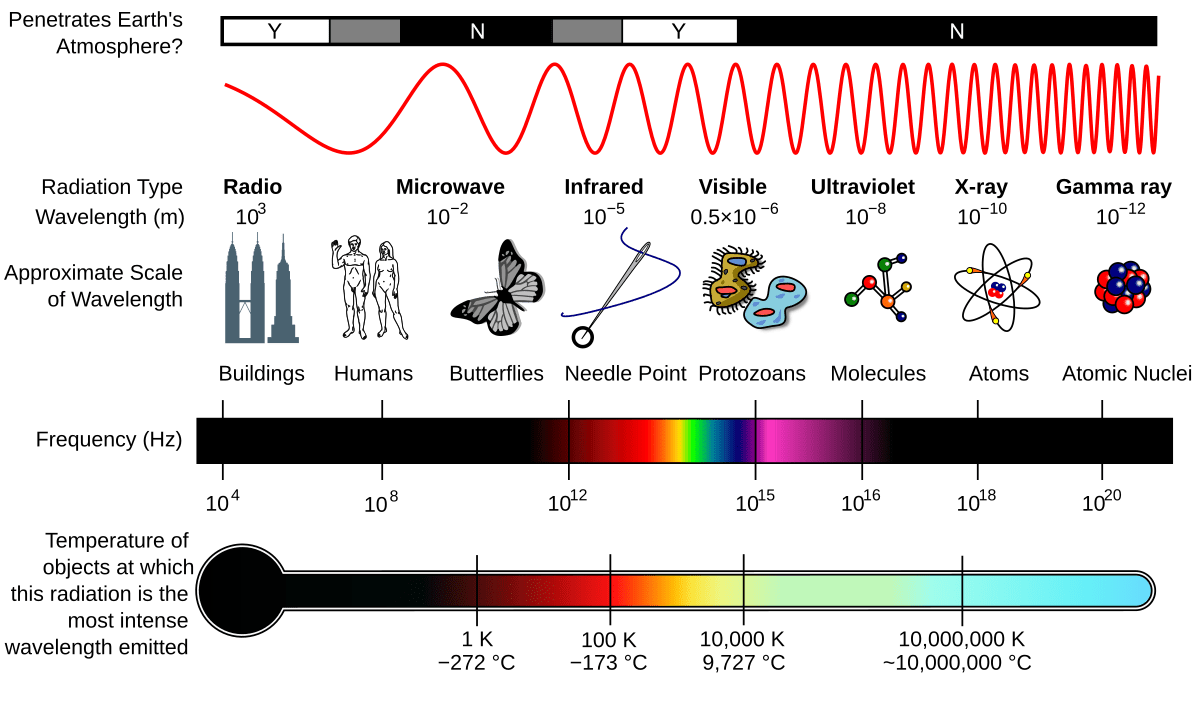
A space interferometer enabling rapid, horizon-scale imaging of black holes

Credit: Henry Tan, Neil Stringer, Ref
Credit: Henry Tan, Neil Stringer, Ref

Credit: Henry Tan, Neil Stringer, Ref
Credit: Henry Tan, Neil Stringer, Ref
Credit: Henry Tan, Neil Stringer, Ref
Credit: Henry Tan, Neil Stringer, Ref

DiskSat
Dual-Mode
Artemis

DiskSat
Dual-Mode
Artemis
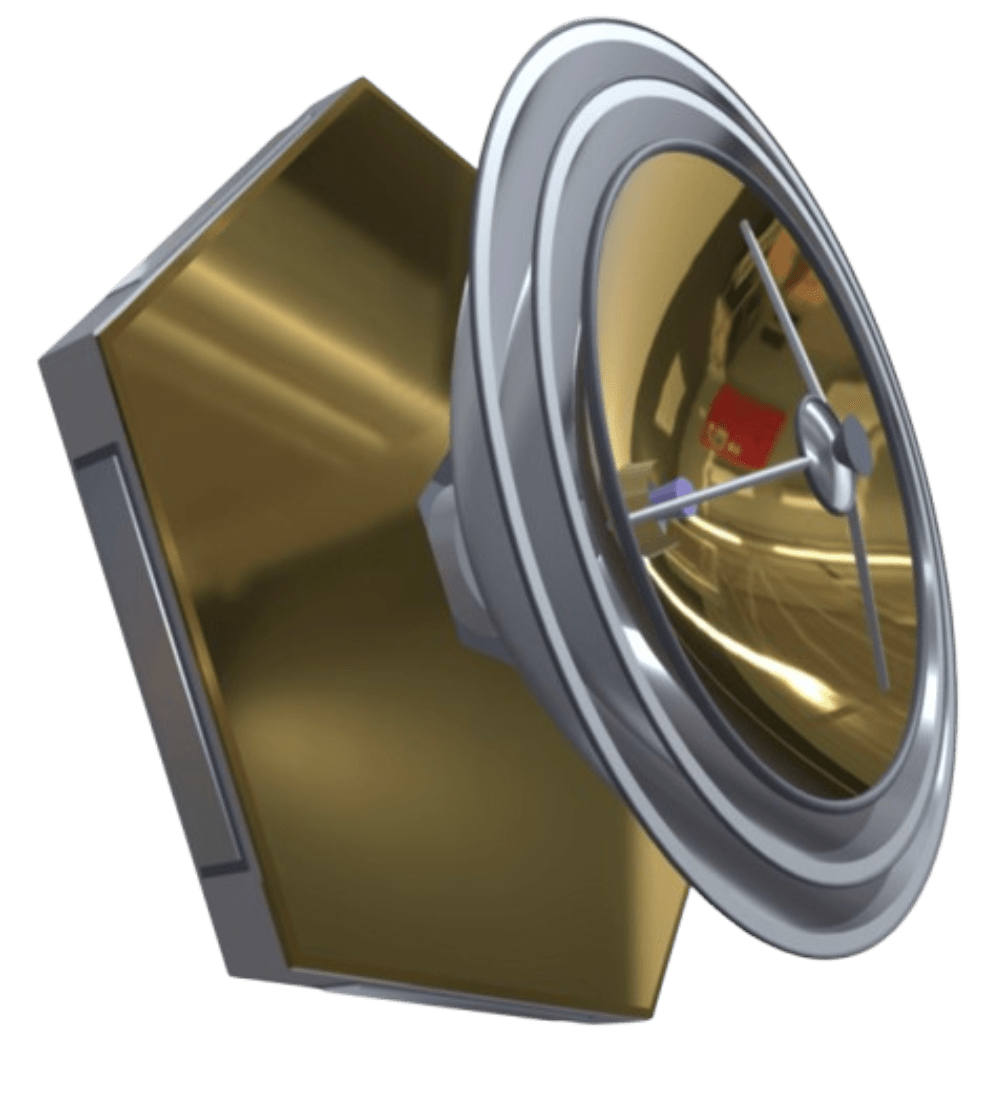
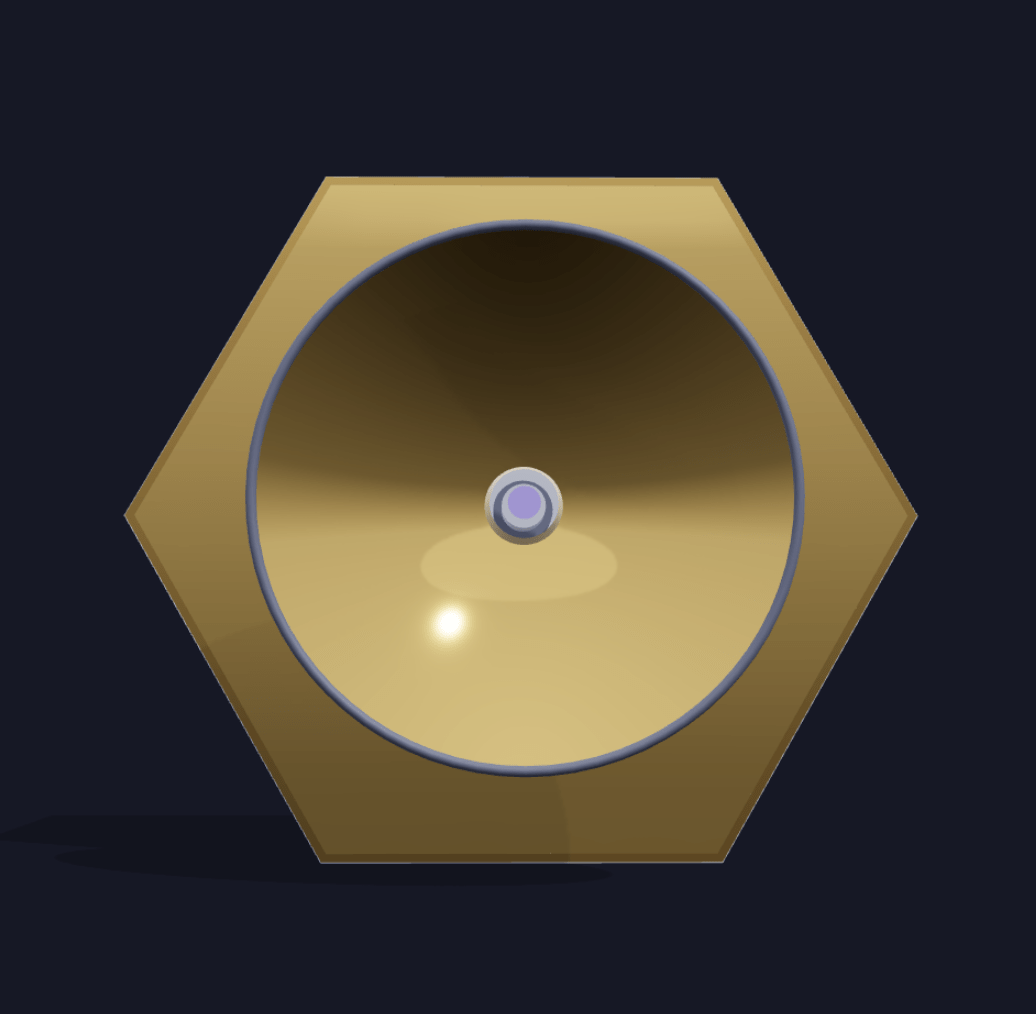
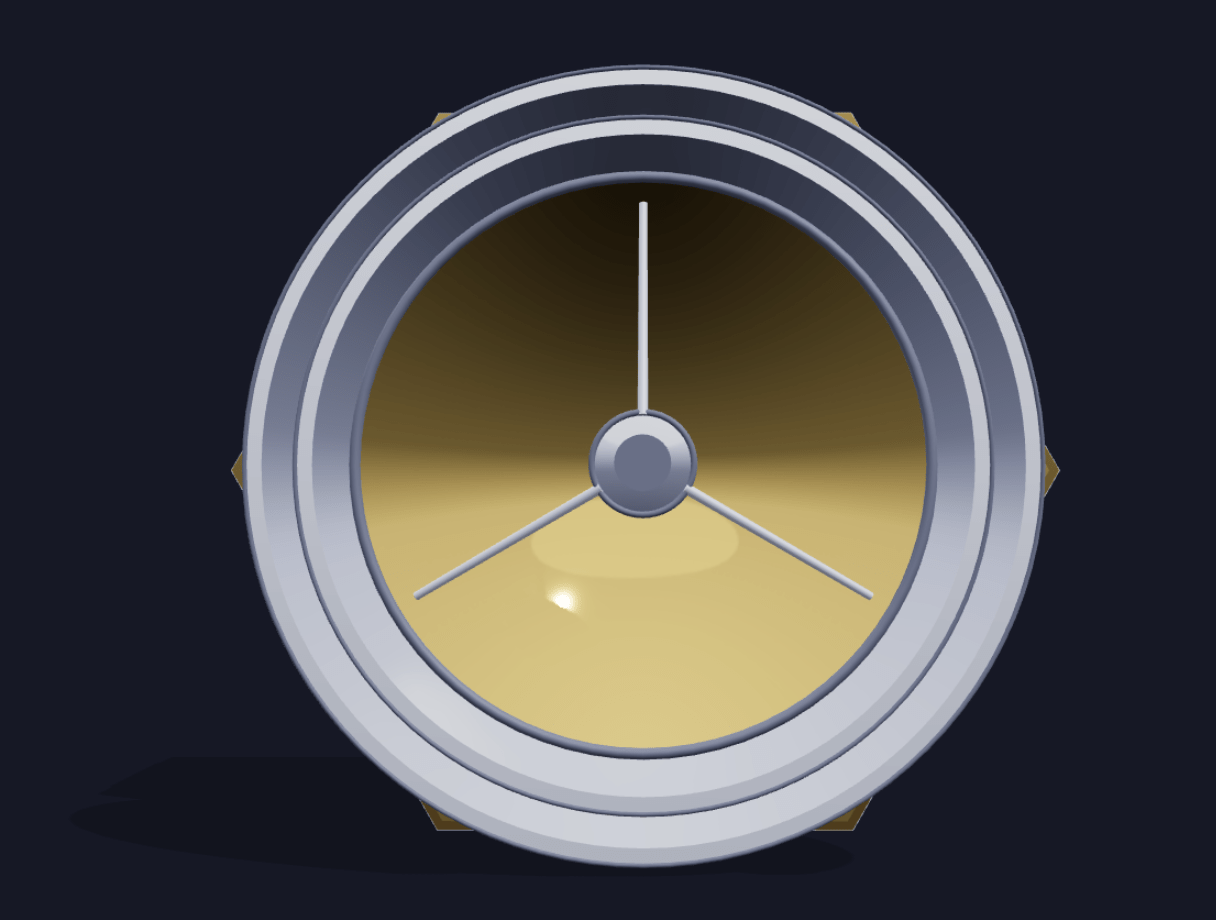

1-meter
Stowed Configuration
Deployed Configuration
DiskSat
Dual-Mode
Artemis
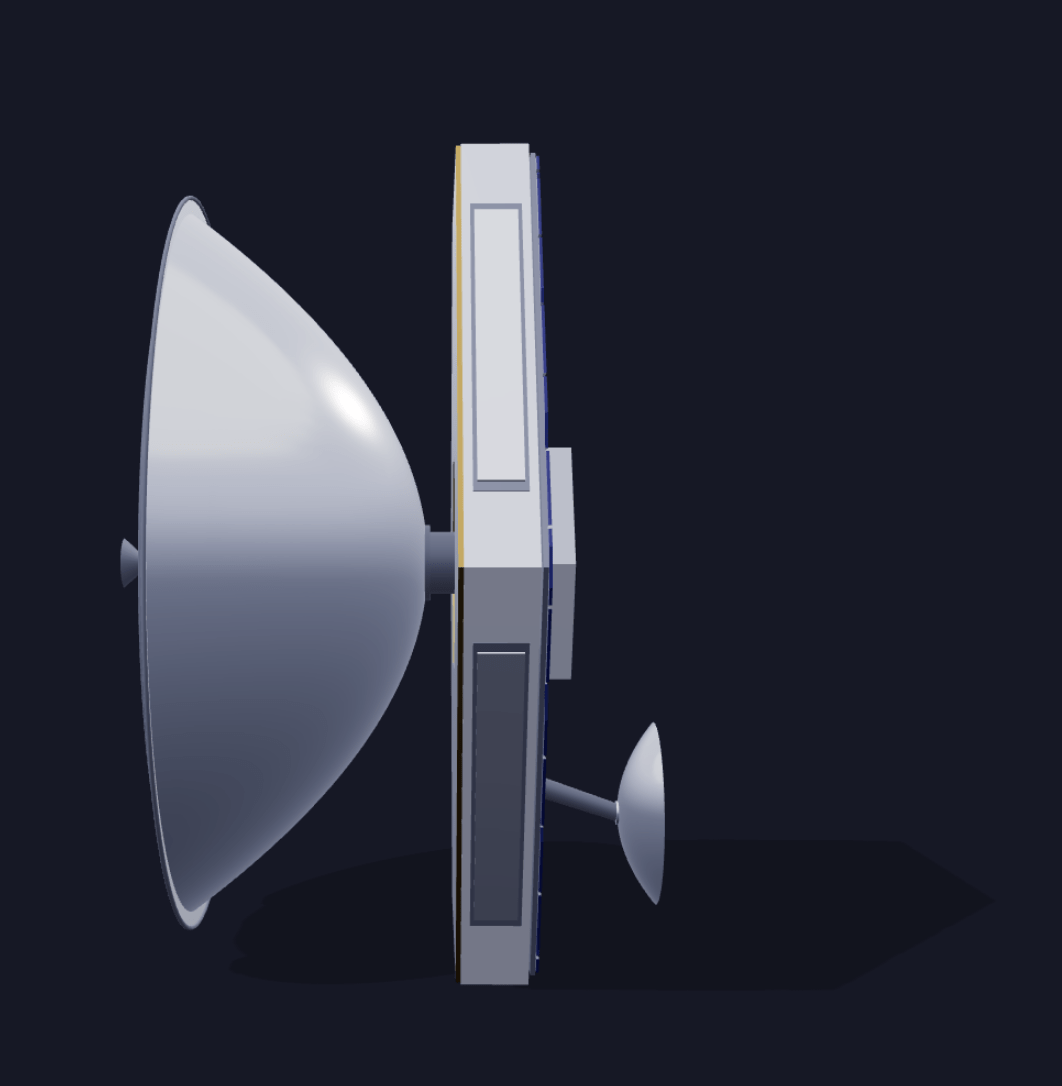
DiskSat
Dual-Mode
Artemis

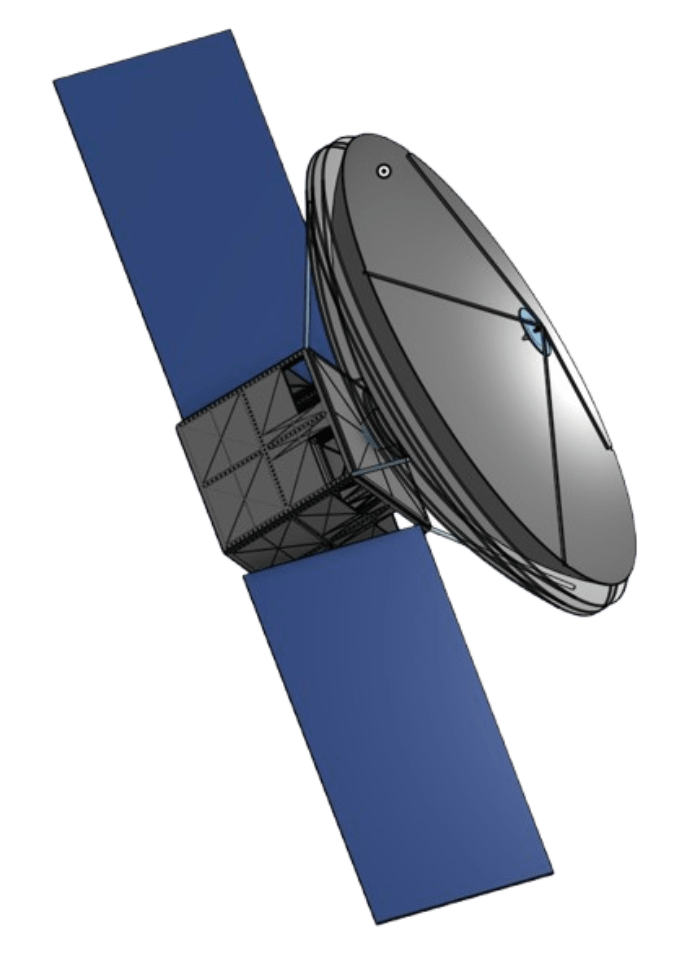
Primary Antenna
Magnetic Strips
Solar Panels
Transmitter
VLBI Hardware
DiskSat
Dual-Mode
Artemis
DiskSat
Dual-Mode
Artemis

DiskSat
Dual-Mode
Artemis
Credit: Chicha, Ref
DiskSat
Dual-Mode
Artemis
DiskSat
Dual-Mode
Artemis
DiskSat
Dual-Mode
Artemis
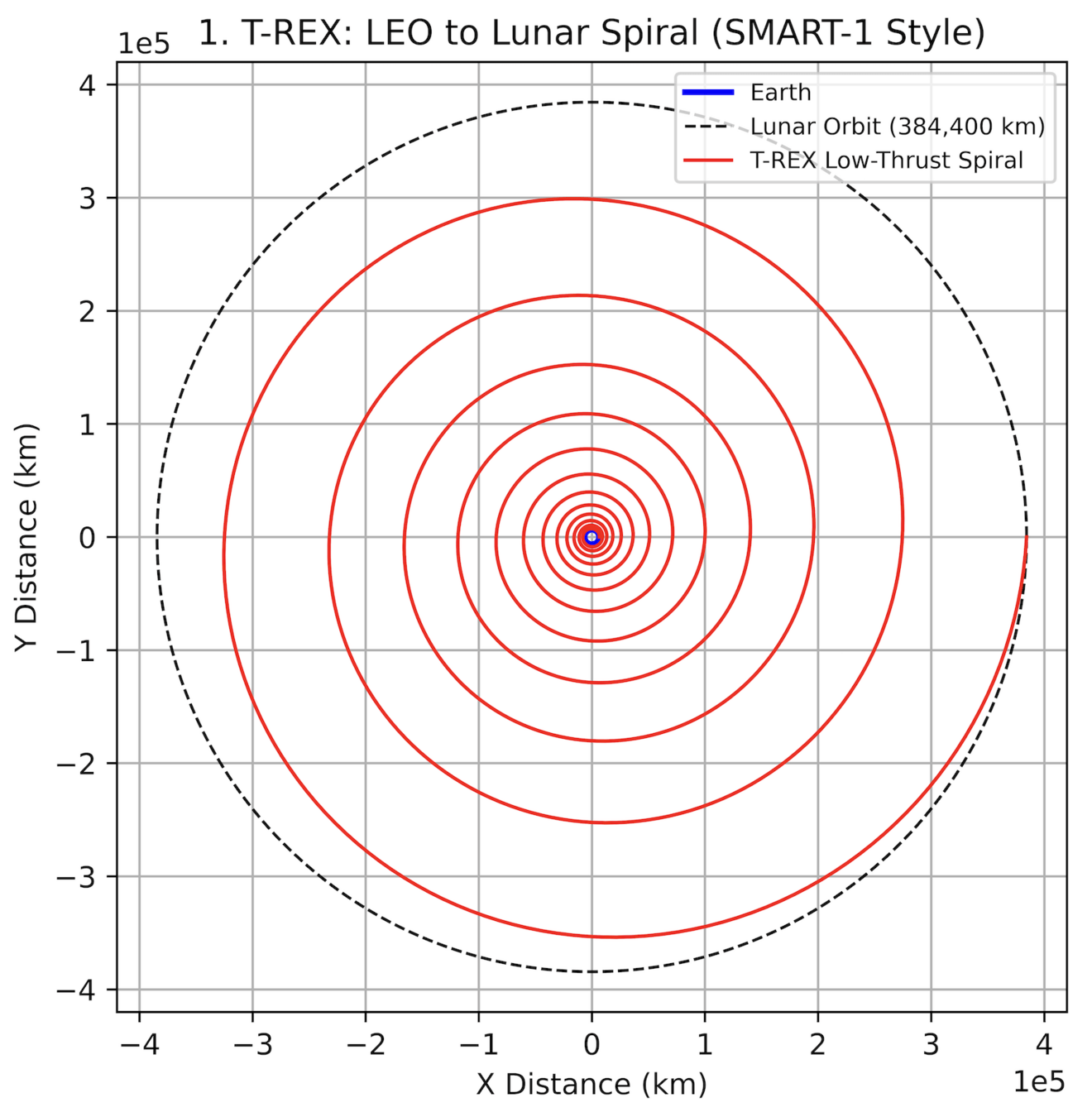
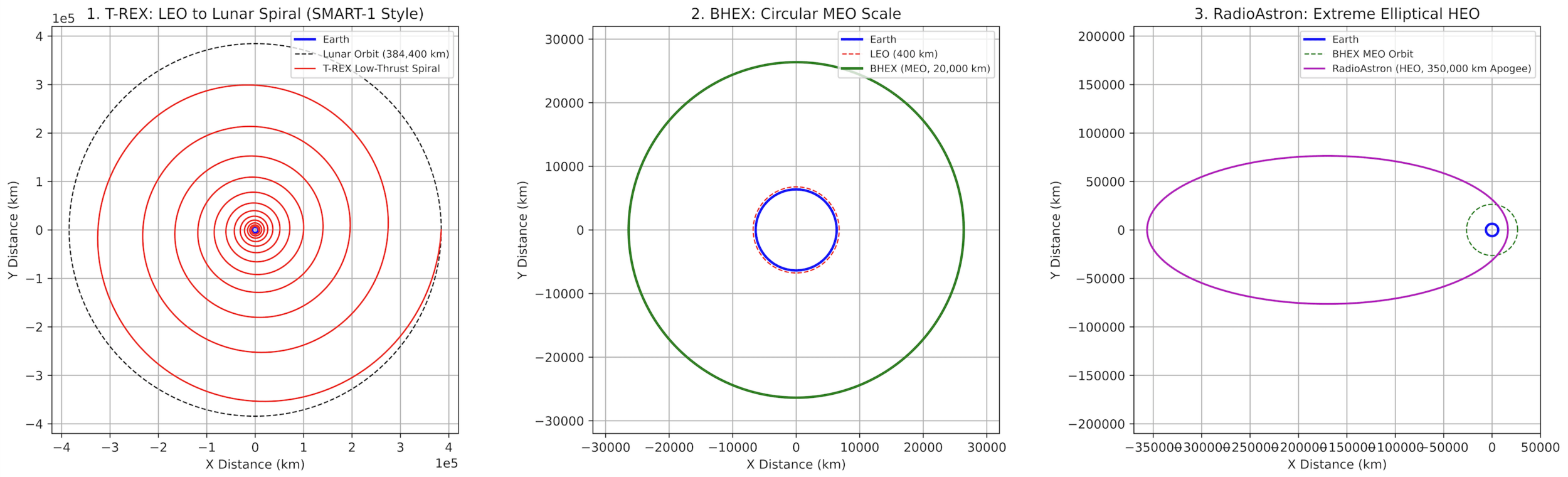
A 250,000 km LEO-to-Lunar baseline
Credit: Graham Neely, Ref
DiskSat
Dual-Mode
Artemis
Contents
- Primary Science Objectives
- Mission Parameters
- Concept of Operations
- SWaPC Requirements
- Timeline & Next Steps
Sub-milli arcsecond angular resolution:
Decreased signal loss from LEO
Decreased radiation environment in LEO vs. MEO

Size
Weight
Power
Cost
Antenna
Cryocooler
Data Downlink
Digital Backend
USO
Receiver
Contents
- Primary Science Objectives
- Mission Parameters
- Concept of Operations
- SWaPC Requirements
- Next Steps
Next Steps
Fall 2026: Ground Prototype v1 | Radio Telescope at Brown
Spring 2027: Prototype v2 | Deployable antenna on DiskSat
Fall 2027: Prototype v3 | 2D 86 GHz Receiver on DiskSat
Spring 2028: Prototype v4 | Drone with ground DiskSat prototype
Prototype v1
DiskSat Prototype v2
DiskSat Prototype v1
T-REX v1
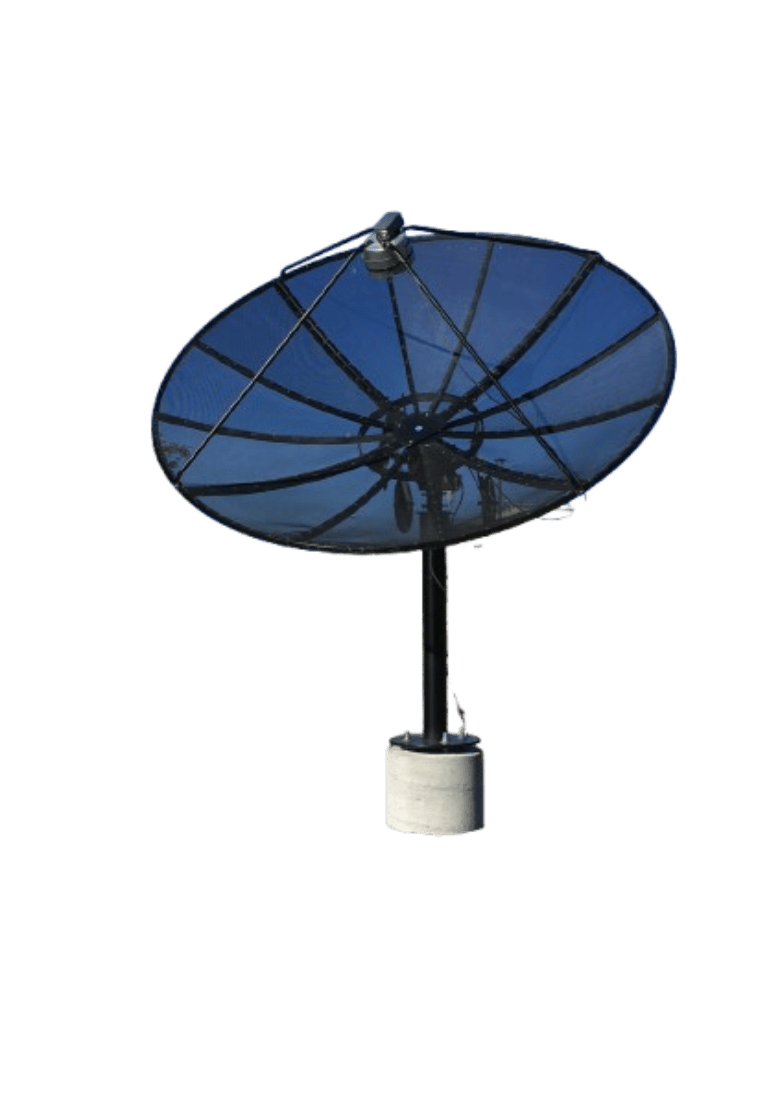
- Operating Frequency: 1.4 GHz
- Diameter: 0.7-meter aperture
- Height: 1.5-meter portable mount
- Cost: $10k (Mount + SDR + Receiver)
- Goals
- Build basic radio telescope
- Detect 21-cm signal from Milky Way
- Image Crab Nebula, Cyg A, etc.
- Image Solar Flares
- Educational resource for Brown!
- Student-built
-
Want to use our 1.4 GHz telescope for observing time?
-
Submit whitepaper to decadal
-
Collaborate on NIAC proposal
-
Partner on APRA/ART Proposal