Shirley Wu
(b. Manila, Philippines; lives and works in San Francisco and Tokyo)
is a Chinese-American artist,
data visualization designer,
software engineer,
keynote speaker, and
published author.
@shirleywu.studio
Philippines
China
Japan
United States
2025.09.23 (Tue)–28 (Sun)
MIDORI.so, Tokyo, Japan
Curated by Karella Mara Raffinan
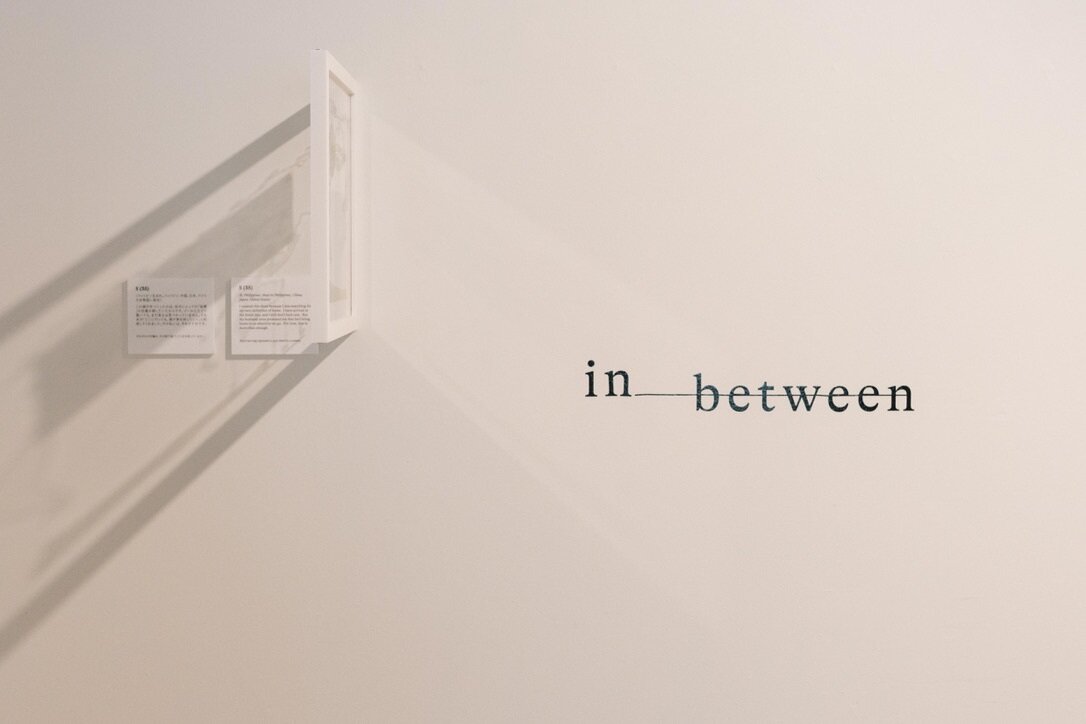
photo by Maya Morita
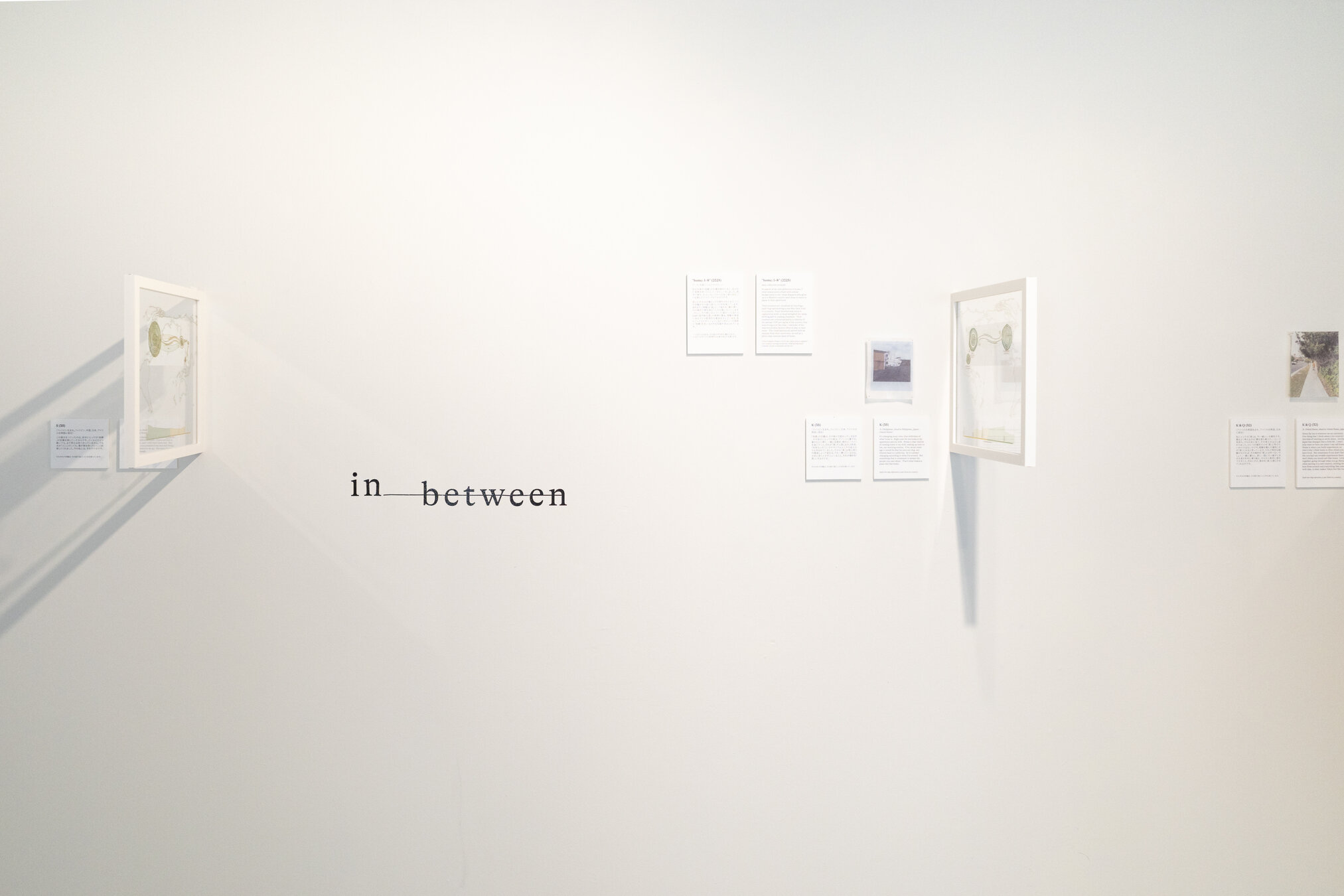
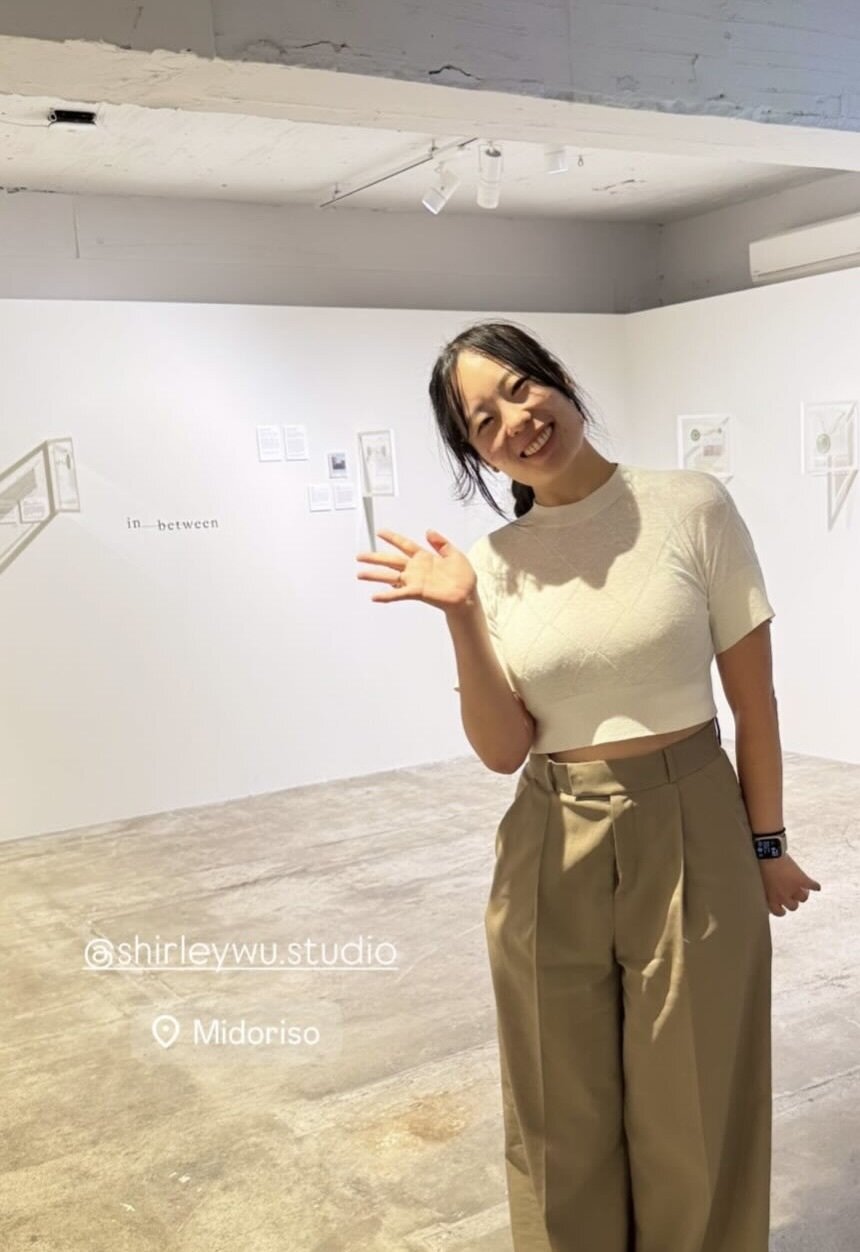
in-between a story of home, belonging, and the Asian diaspora
when we can grow up thousands of miles from our ancestral homes
In an age defined by global movement and digital interconnectivity
how do we define "home", and our places of belonging?
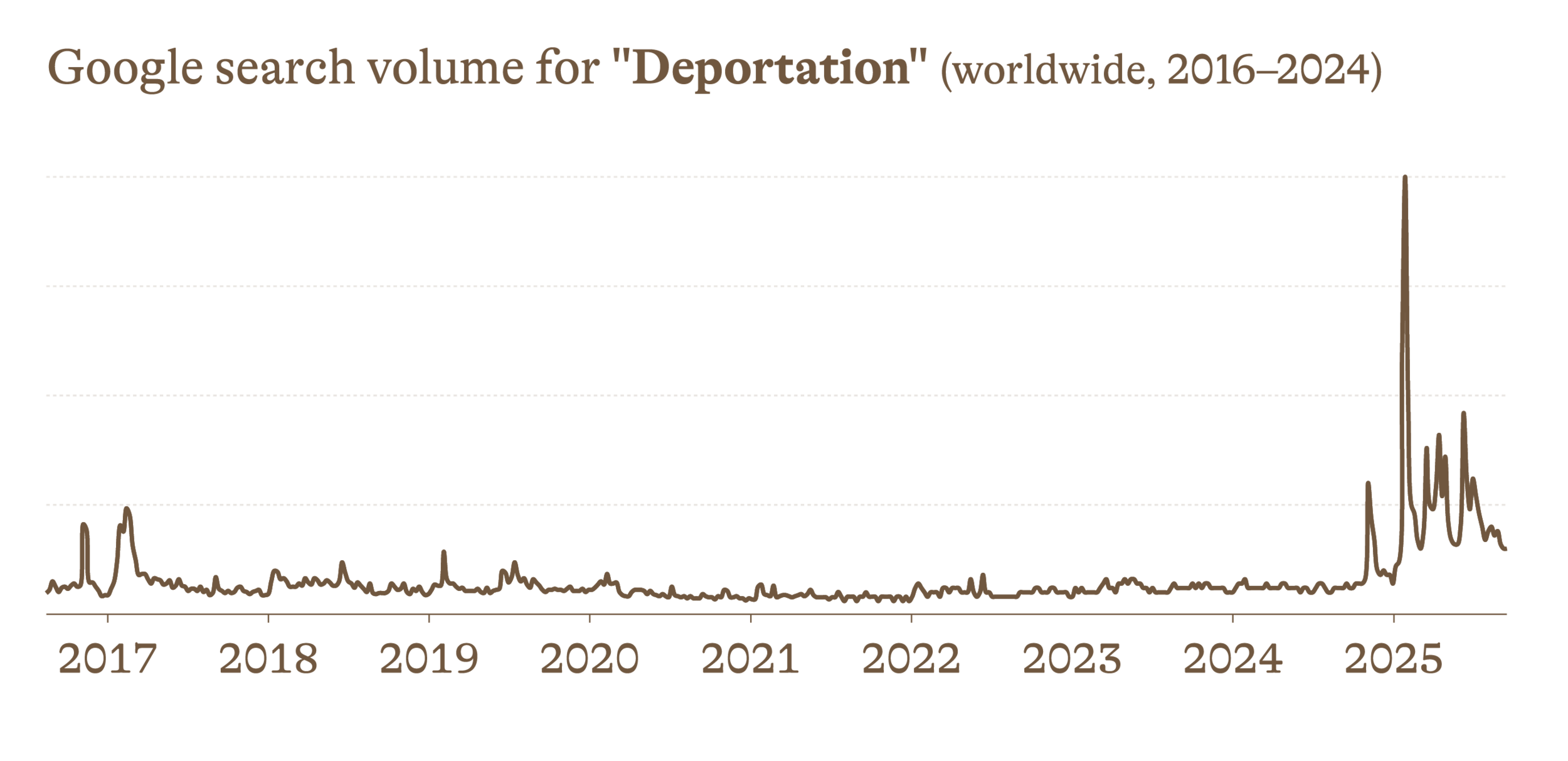
January 2025
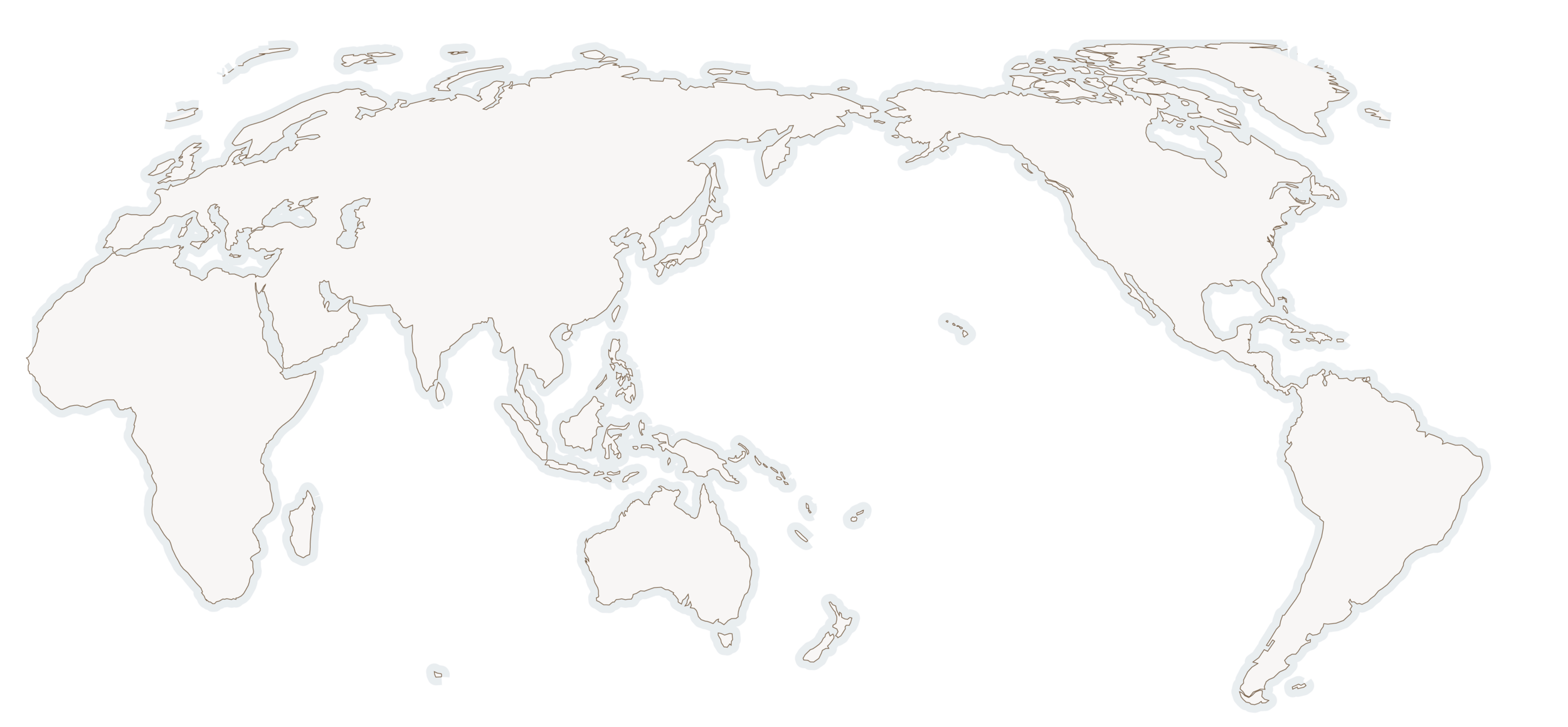
United States

Philippines
China
Japan
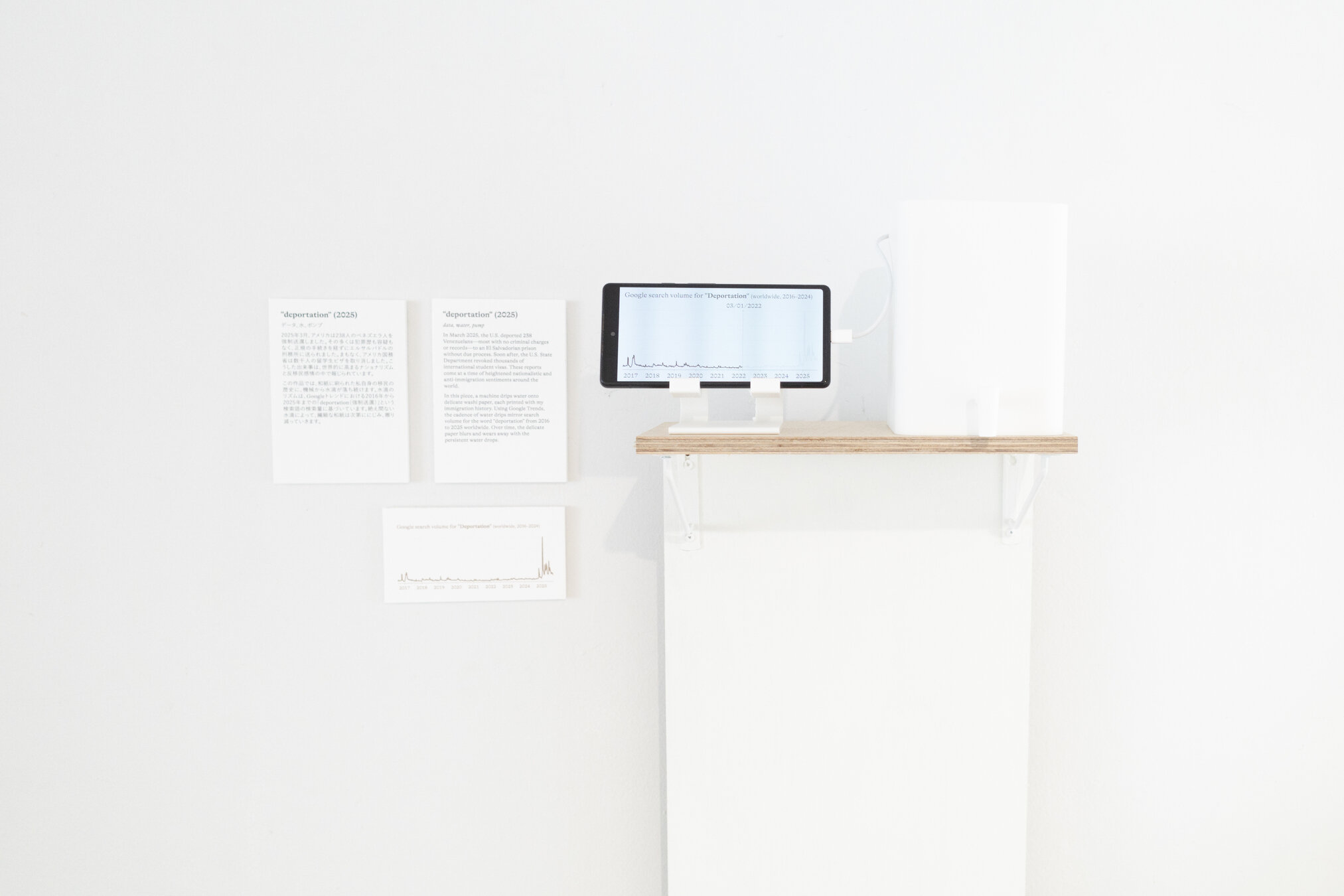
deportation (2025)
data, code, Arduino, pump, washi paper
photos by Karella Mara Raffinan & Maya Morita
videos by Tommaso Barbetta
deportation (2025)
data, code, Arduino, pump, washi paper
photos by Karella Mara Raffinan & Maya Morita
videos by Tommaso Barbetta
photos by Karella Mara Raffinan & Maya Morita
videos by Tommaso Barbetta
photos by Maya Morita
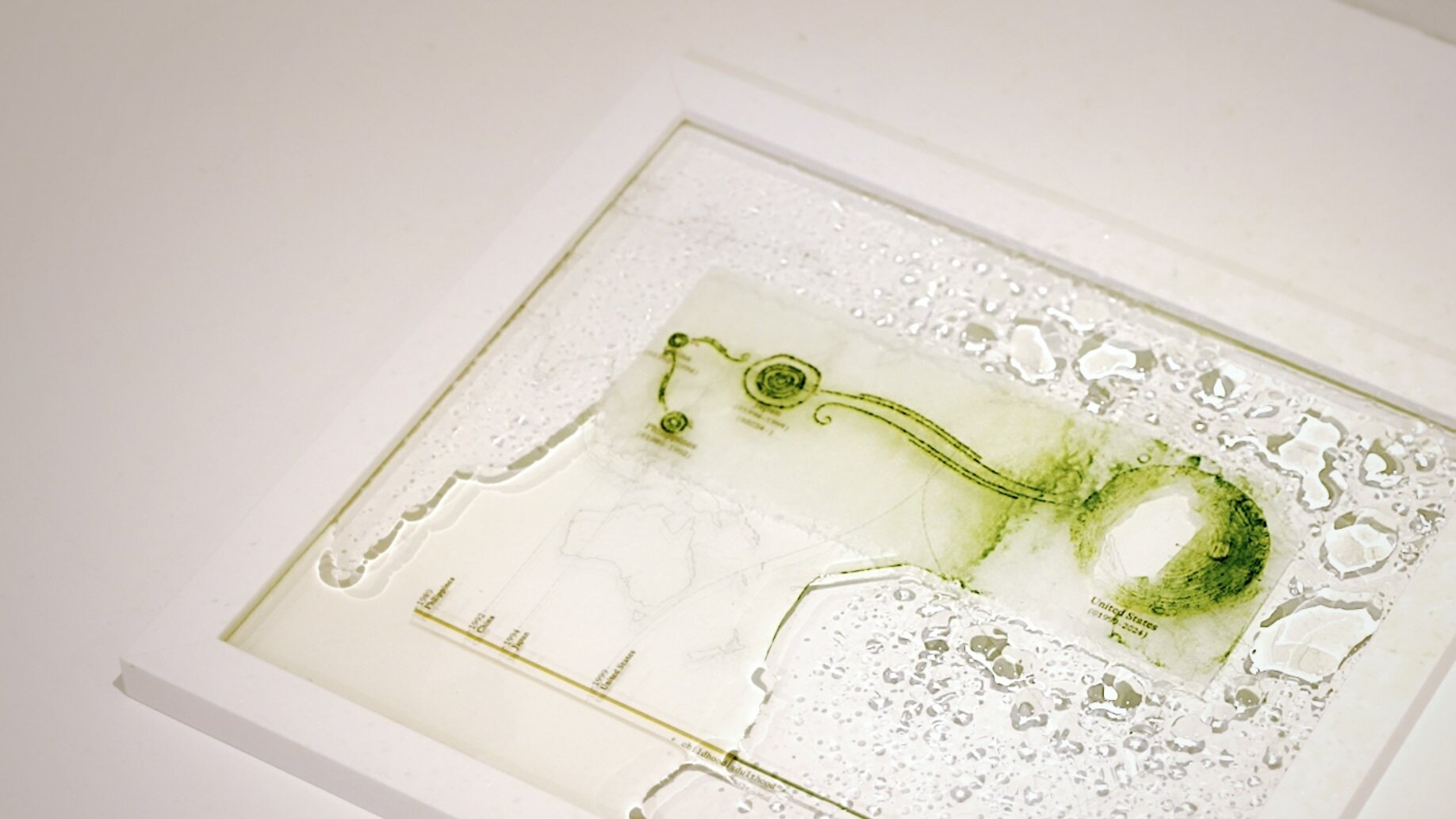
video by Tommaso Barbetta
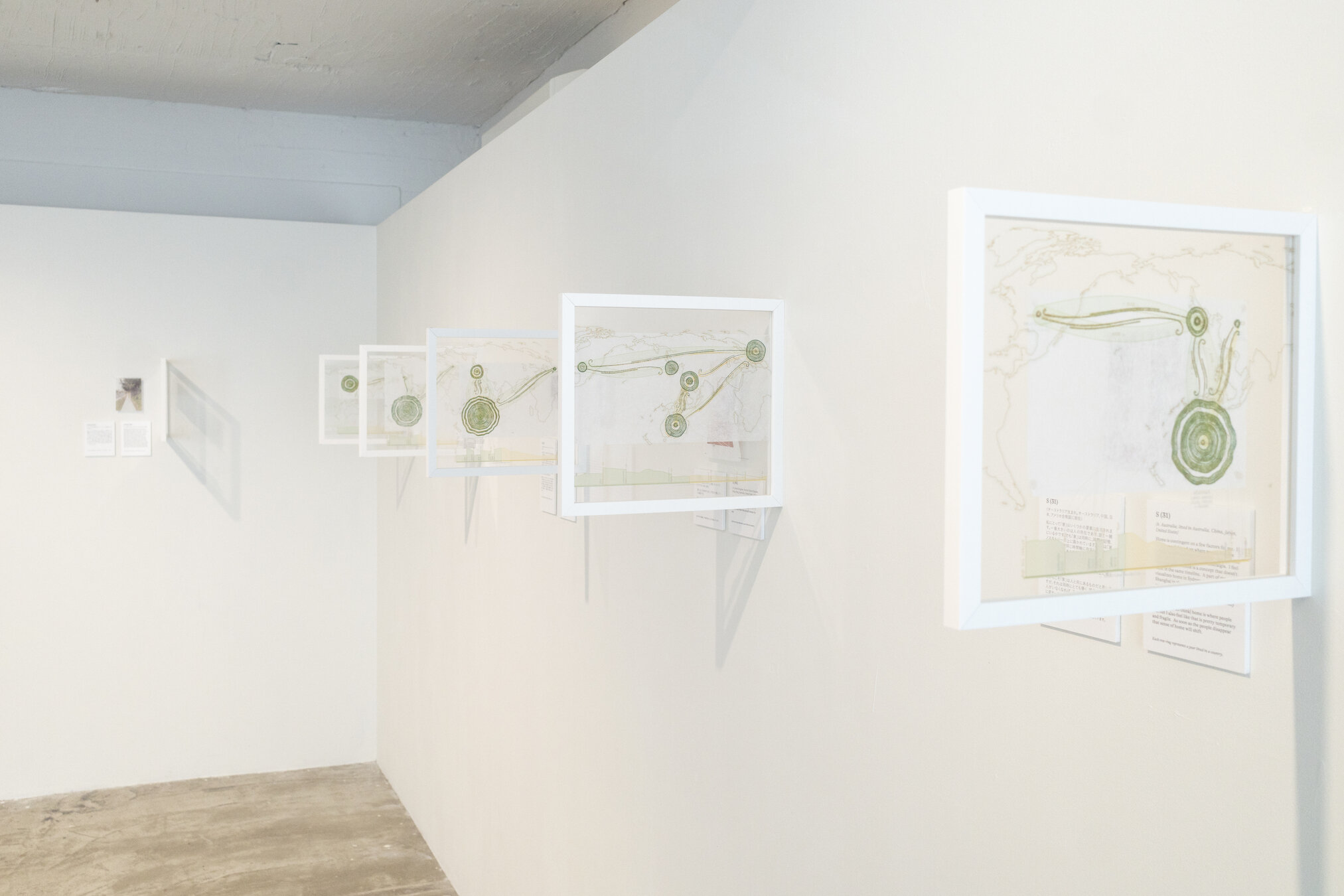
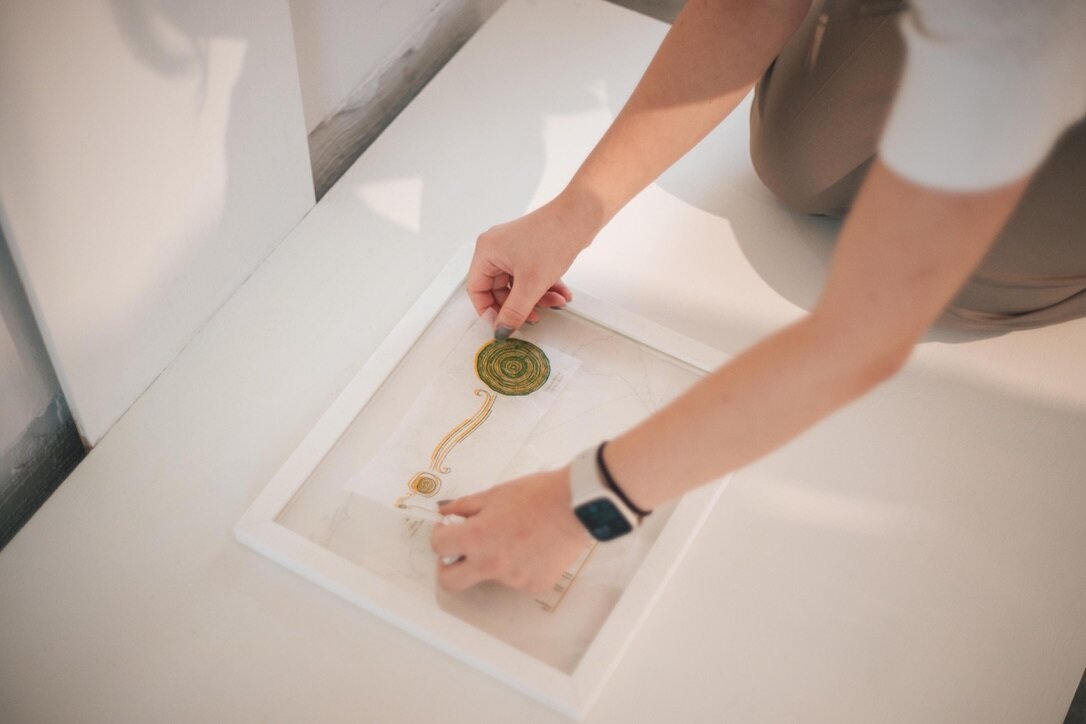
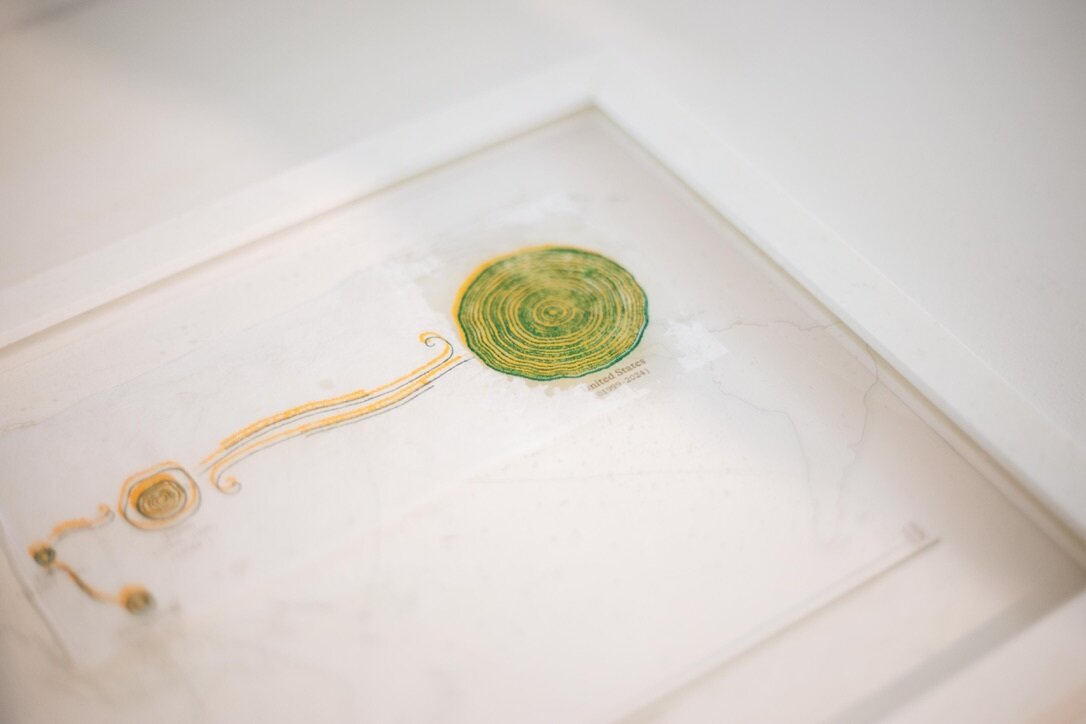
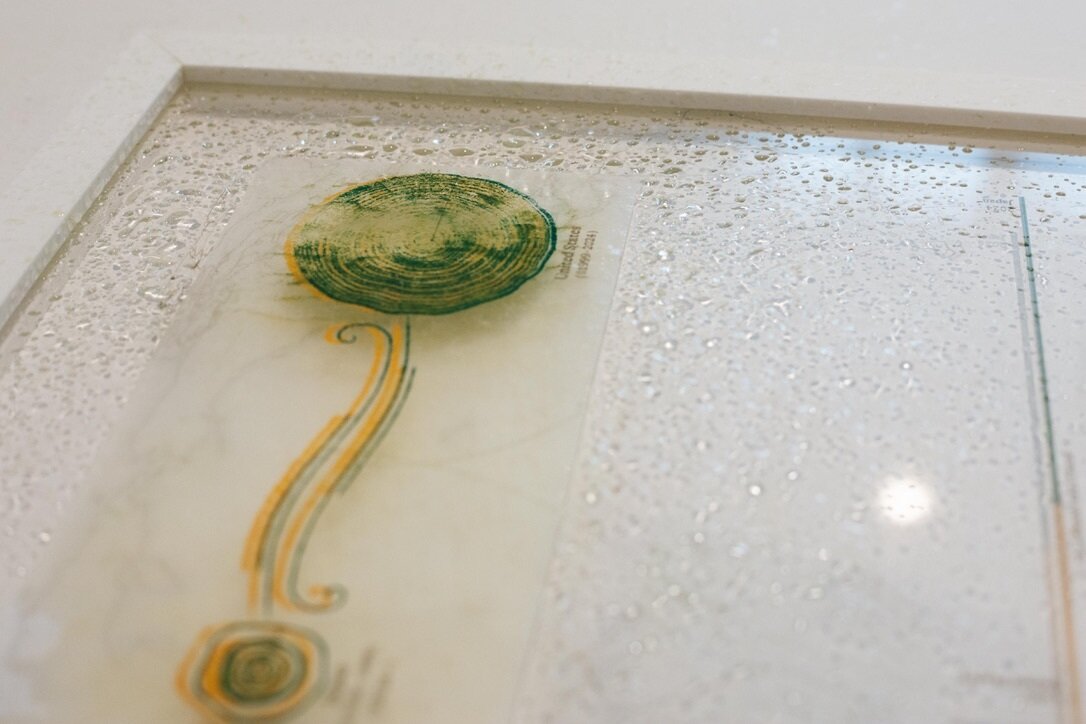
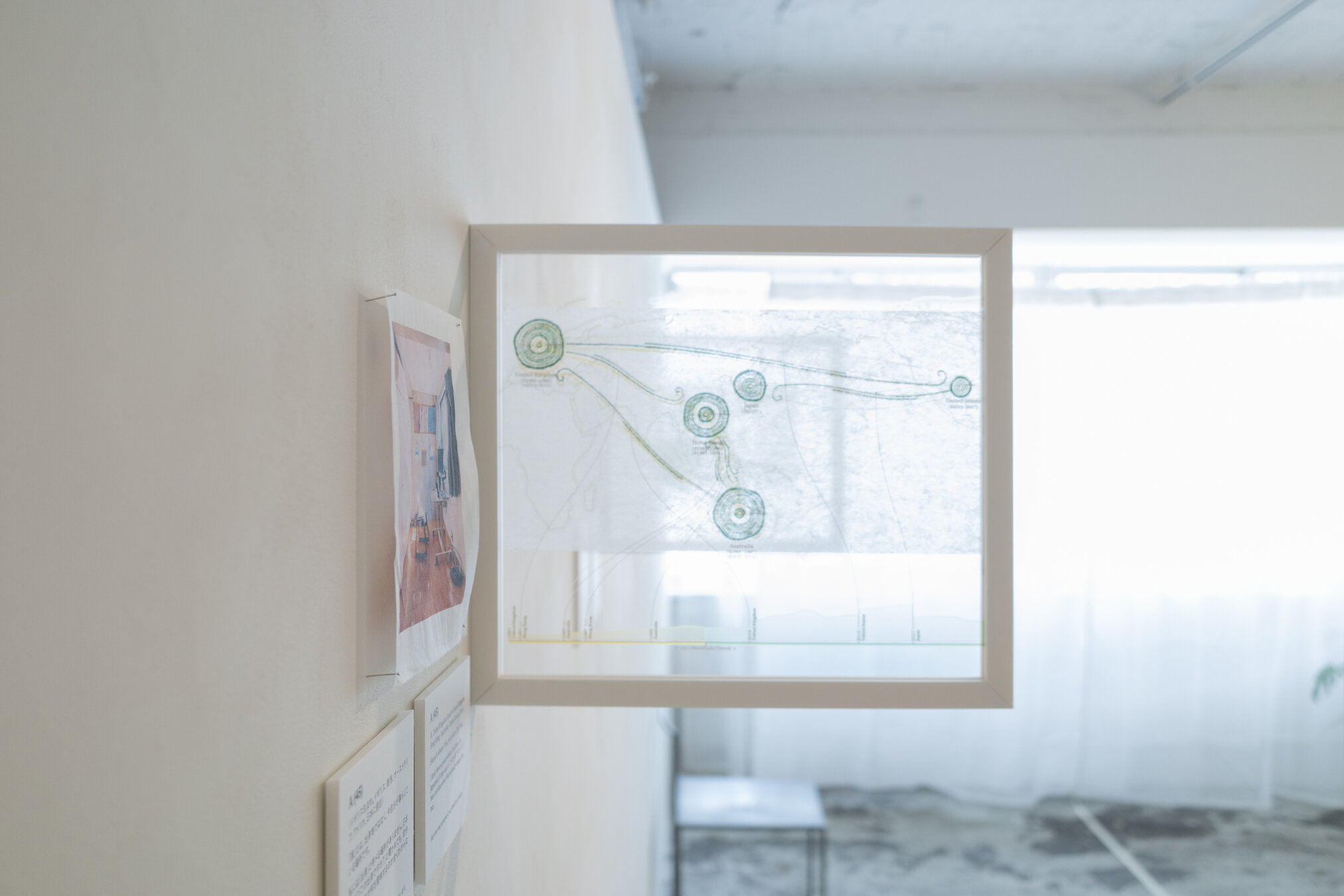
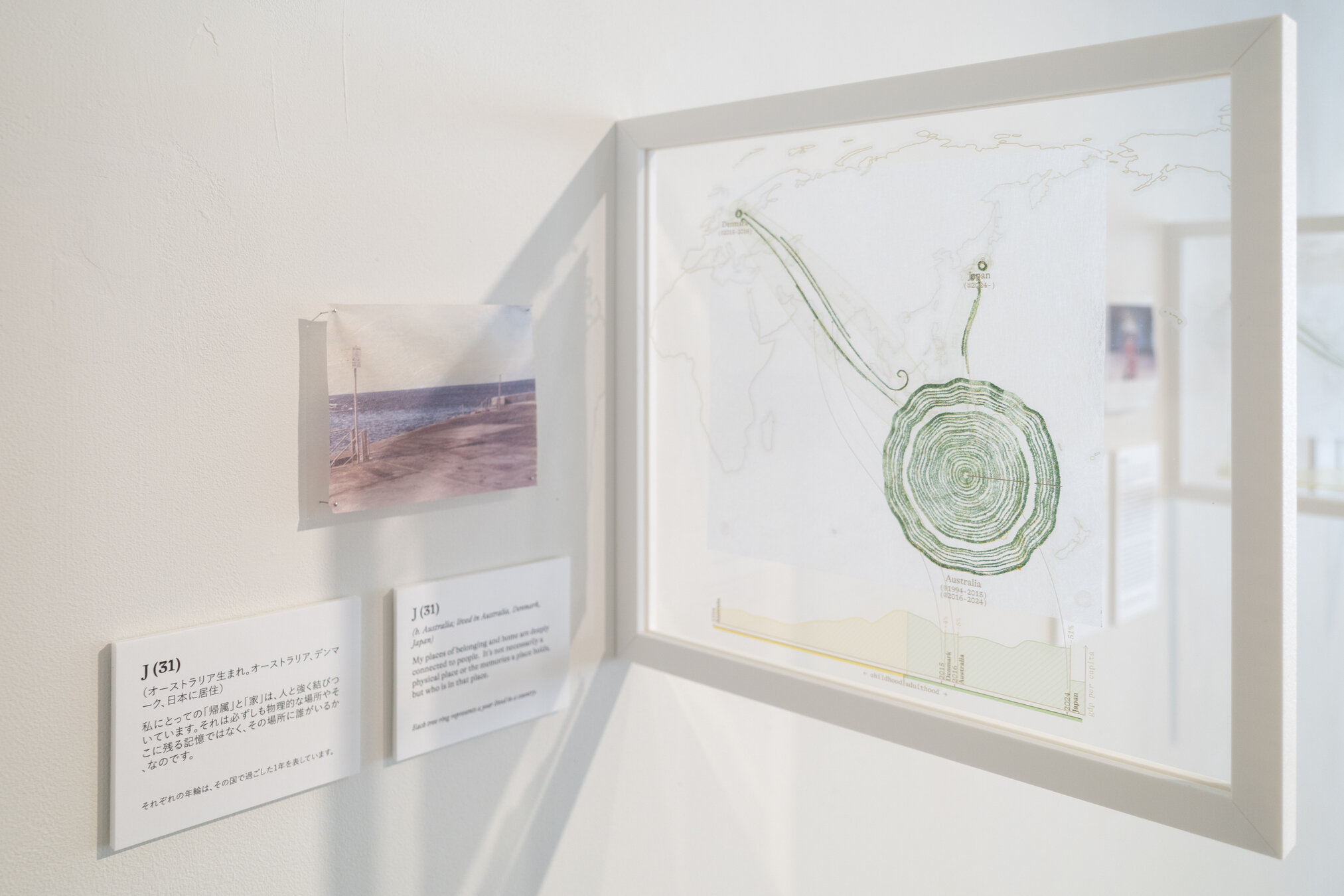
home:1–8 (2025)
data, code, washi paper, custom frame
photos by Karella Mara Raffinan
Philippines
China
Japan
United States
S (35)
(b. Philippines; lived in Philippines, China, Japan, United States)
K (35)
(b. Philippines; lived in Philippines, Japan, United States)
K & Q (32)
(b. United States; lived in United States, Japan)
R (29)
(b. Japan; lived in Japan, France)
J (31)
(b. Australia; lived in Australia, Denmark, Japan)
M (31)
(b. Japan; lived in Japan, Australia, Spain)
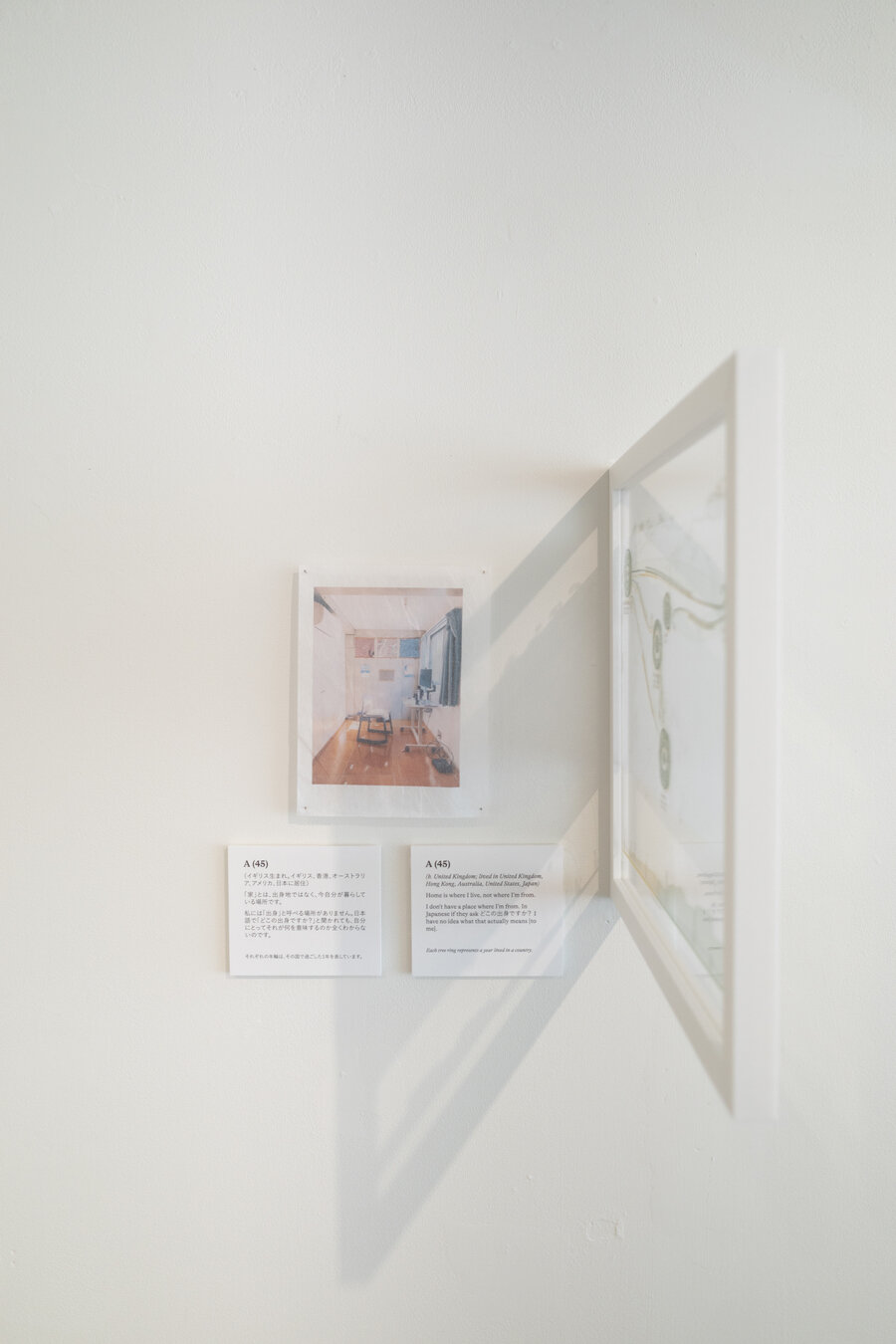
A (45)
(b. United Kingdom; lived in United Kingdom, Hong Kong, Australia, United States, Japan)
S (31)
(b. Australia; lived in Australia, China, Japan, United States)
photo by Karella Mara Raffinan
S (35)
(b. Philippines; lived in Philippines, China, Japan, United States)
I created this show because I was searching for my own definition of home. I have arrived at the finish line, and I still don’t have one. But my husband once promised me that he’d bring home to us wherever we go. For now, that is more than enough.
K (35)
(b. Philippines; lived in Philippines, Japan, United States)
It’s changing every time, that definition of what home is. Right now for me home is my apartment and my wife. Home is that routine of coming home to my wife, waking up next to her, our morning routine. Five, seven years ago it would be that but also our dog, our friends back in California. So it’s always changing according to what I’m around. But something that is consistent is always the people you care about. That’s what makes a place feel like home.
K & Q (32)
(b. United States; lived in United States, Japan)
Home for me is wherever we are currently. One thing that I think about a lot recently is this idea of wanting to settle down. moving to Japan has changed that a little bit. I don’t only want to have one place I can call home. Home is where you build experiences, so that’s why I think home is often where you have lived. But sometimes if you don’t feel like you had any notable experiences there I don’t think you would call that home. Living together, going through what you go through when moving to a new country, settling down here from scratch and everything that comes with that, is what makes Tokyo feel like home.
R (29)
(b. Japan; lived in Japan, France)
Home is a place that inspires thoughts and fosters challenge, but it also is a place where I can actually sleep, I can actually relax.
J (31)
(b. Australia; lived in Australia, Denmark, Japan)
My places of belonging and home are deeply connected to people. It’s not necessarily a physical place or the memories a place holds, but who is in that place.
M (31)
(b. Japan; lived in Japan, Australia, Spain)
Quite honestly, I’m still working on what home really is.
There is one place that I always came back to throughout my life, which is my grandparents’ house in Tokyo. It’s the first house I lived in, it was the one constant domicile that I saw my whole family growing up in. The address never changed, it’s still the only phone number I can recall by heart. But the house doesn’t exist anymore, they tore the house down when my grandma passed away when I was 20.
Now, the memory of this house is home to me.
But I also recently went to Europe, and it reminded me of the quality of living in Spain. it made me realize that there are more important things than just heads down hustle. It made me really reflect on my current life in Tokyo, what am I working hard for? Why is it that, even though Tokyo used to be my forever home, where my grandmother was, how come the Tokyo I live in now doesn’t feel like that?
A (45)
(b. United Kingdom; lived in United Kingdom, Hong Kong, Australia, United States, Japan)
Home is where I live,
not where I’m from.
S (31)
(b. Australia; lived in Australia, China, Japan, United States)
Home is contingent on a few factors for me. It is very much based on where people are, the existence and presence of people. But it is also built on time, on memory and nostalgia. I feel like sometimes home is a concept that doesn’t exist in the same timeline. A part of me visualizes home in Sydney, and [another in] Shanghai in the context of when I was growing up. So it’s rooted in a lot of these memories with these people that have already passed. It’s based on history.
That’s why [I do think] home is where people are, but I also feel like that is pretty temporary and fragile. As soon as the people disappear that sense of home will shift.
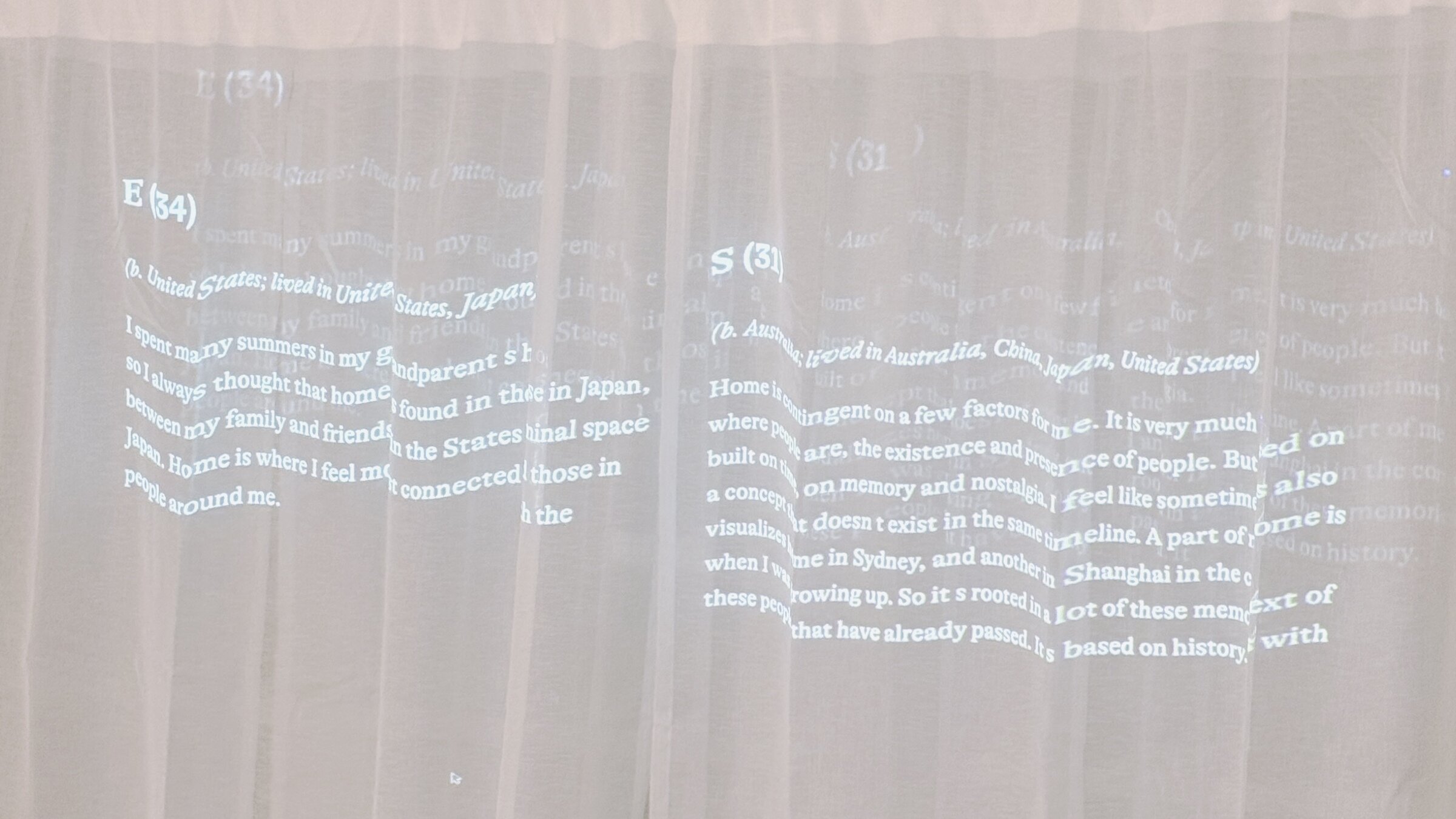
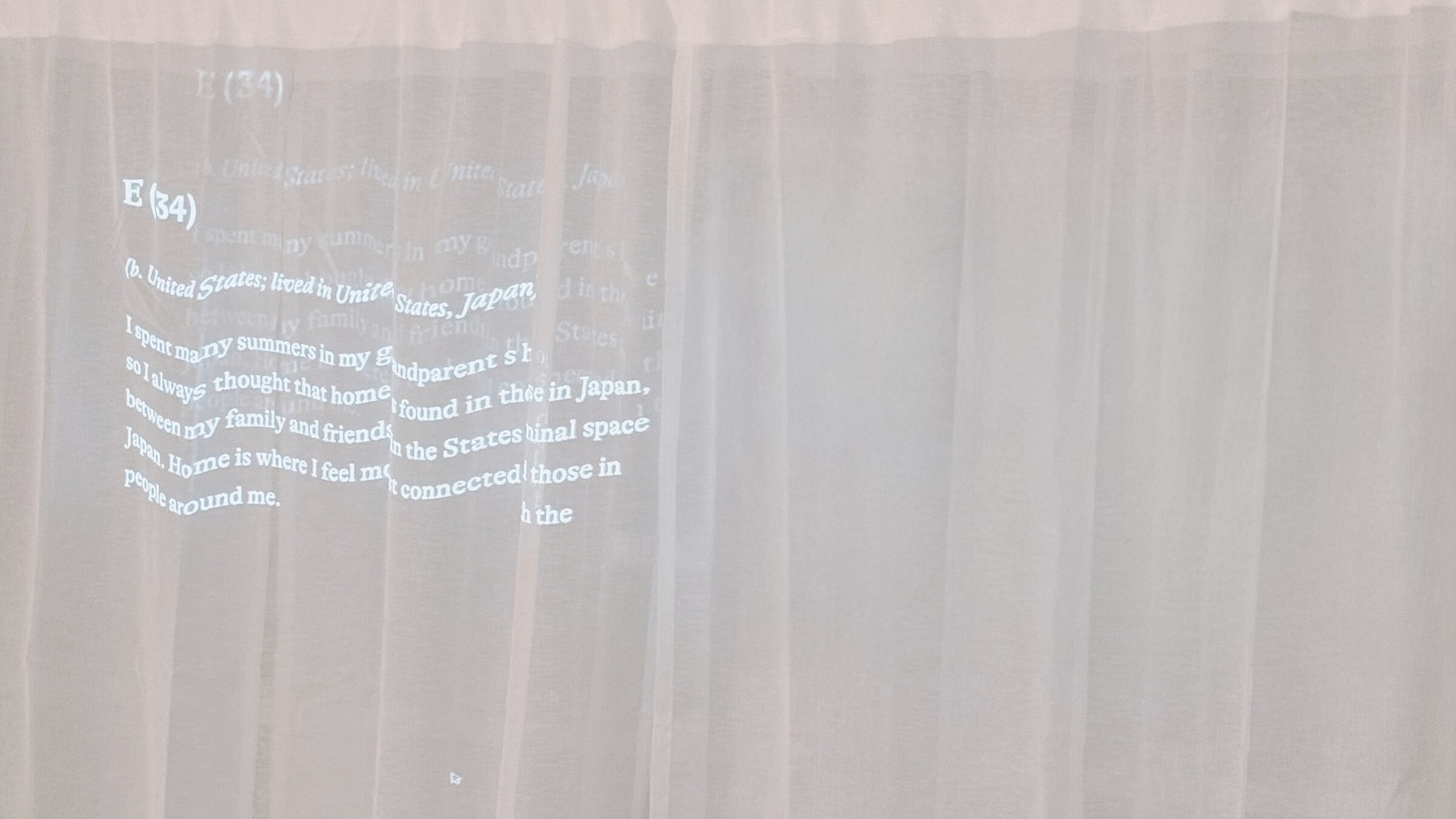
home:collective (2025)
code, local LLM, projector
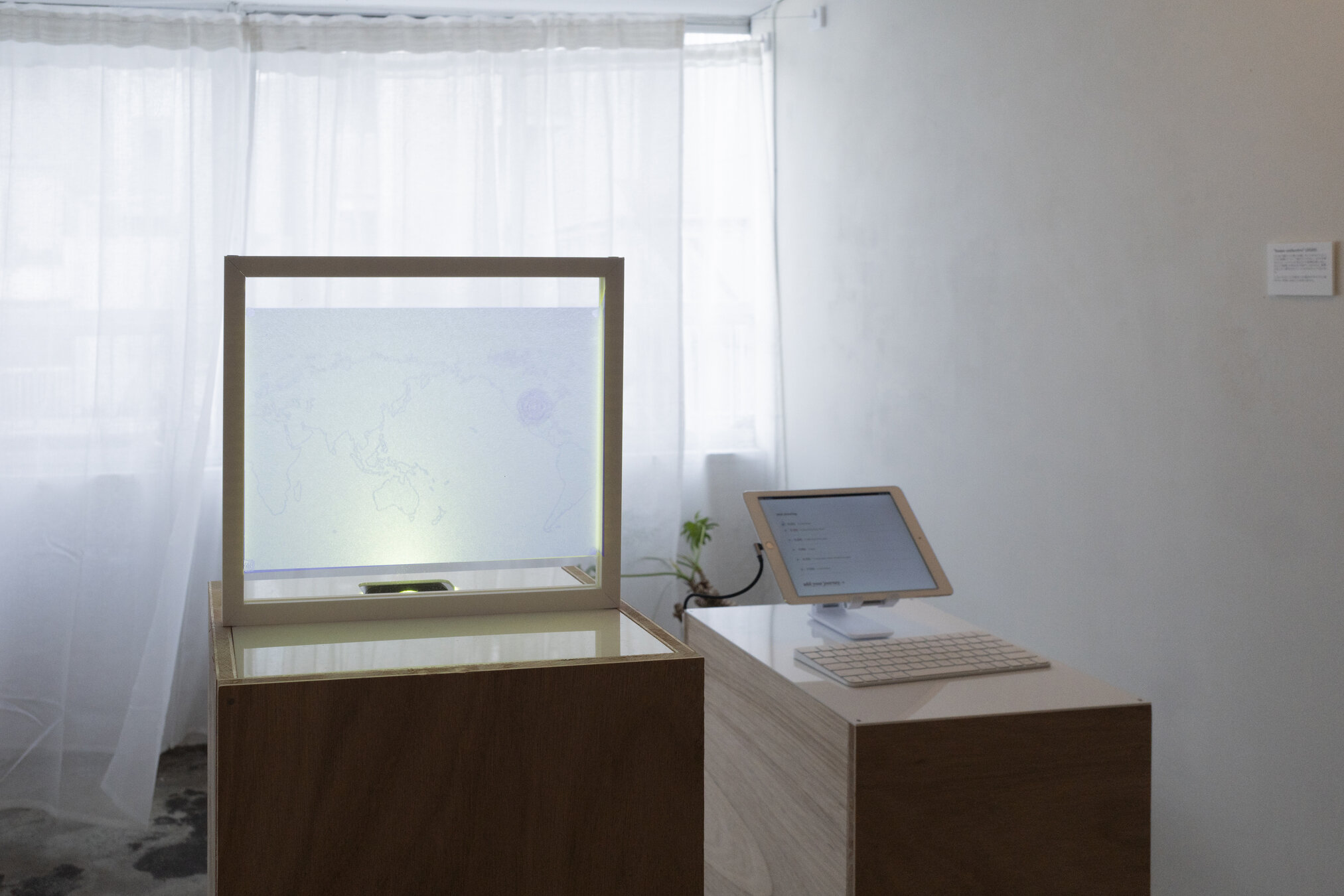
photo by Karella Mara Raffinan
videos by Tommaso Barbetta
video by Tommaso Barbetta
videos by Tommaso Barbetta
videos by Tommaso Barbetta
E (34)
(b. United States; lived in United States, Japan)
I spent many summers in my grandparent’s house in Japan, so I always thought that home is found in the liminal space between my family and friends in the States and those in Japan. Home is where I feel most connected with the people around me.
S (31)
(b. Australia; lived in Australia, China, Japan,United States)
Home is contingent on a few factors for me. It is very much based on where people are, the existence and presence of people. But it is also built on time, on memory and nostalgia. I feel like sometimes home is a concept that doesn’t exist in the same timeline. A part of me visualizes home in Sydney, and [another in] Shanghai in the context of when I was growing up. So it’s rooted in a lot of these memories with these people that have already passed. It’s based on history.
How do you define home?
C (27)
(b. China; lived in China, Netherlands, Japan)
I have not figured it out yet.
J (27)
(b. Japan; lived in Japan, United States)
I'm still trying to figure that out myself.
How do you define home?
video by Tommaso Barbetta
Thank you.

in-between
By Shirley Wu