LESSON 1.02
Democracy, filtered
How does representative democracy decide whose voices matter?
1.2 · TYPES OF DEMOCRACY
LESSON 1.02
Democracy, filtered
ESSENTIAL QUESTION
How does representative democracy decide whose voices matter?
1.2 · TYPES OF DEMOCRACY
TODAY
01 · STUDY (15 Minutes)
02 · 1.1-1.2 AP Quiz + FRQ
03 · IF YOU RAN THE PLACE PT. 2
COMING UP
• THE HISTORY LESSON PROJECT
DEVICES READY · EYES UP
ASSESSMENT READY
ASSESSMENT
IDEALS+ MODELS QUIZ
LOCATION
AP CLASSROOM
PASSCODE
NONE
IF YOU RAN THE PLACE… · PART 2
Figure Out Your Move
Turn one issue from Part 1 into a researched, realistic action.
1
PICK YOUR FIGHT
Choose one issue from Part 1 that you care about.
2
GET THE RECEIPTS
Find:
• one solid fact
• what government is already doing
• one reason the problem is hard to solve
3
WHO’S GOT THE POWER?
Identify the local, state, or federal representative who can act.
4
YOUR MOVE
Choose one:
KEEP IT · CHANGE IT
START IT · STOP IT
Then explain why.
Research first. Decide second. Make a move you can defend.
HAVE A SAY · MAKE THEM LISTEN
STEP 3 · WHO’S GOT THE POWER?
Match Your Issue to the Right Level
LOCAL
STATE
FEDERAL
City rules, services,
or neighborhoods?
Would California law, funding,
or policy need to change?
Would national law, funding,
or policy need to change?

Henry L.
Foster III
City Council
District 4

Dr. LaShae
Sharp-Collins
State Assembly
District 79

Dr. Akilah
Weber Pierson
State Senate
District 39

Juan
Vargas
U.S. House
District 52

Alex
Padilla
U.S. Senator
for California
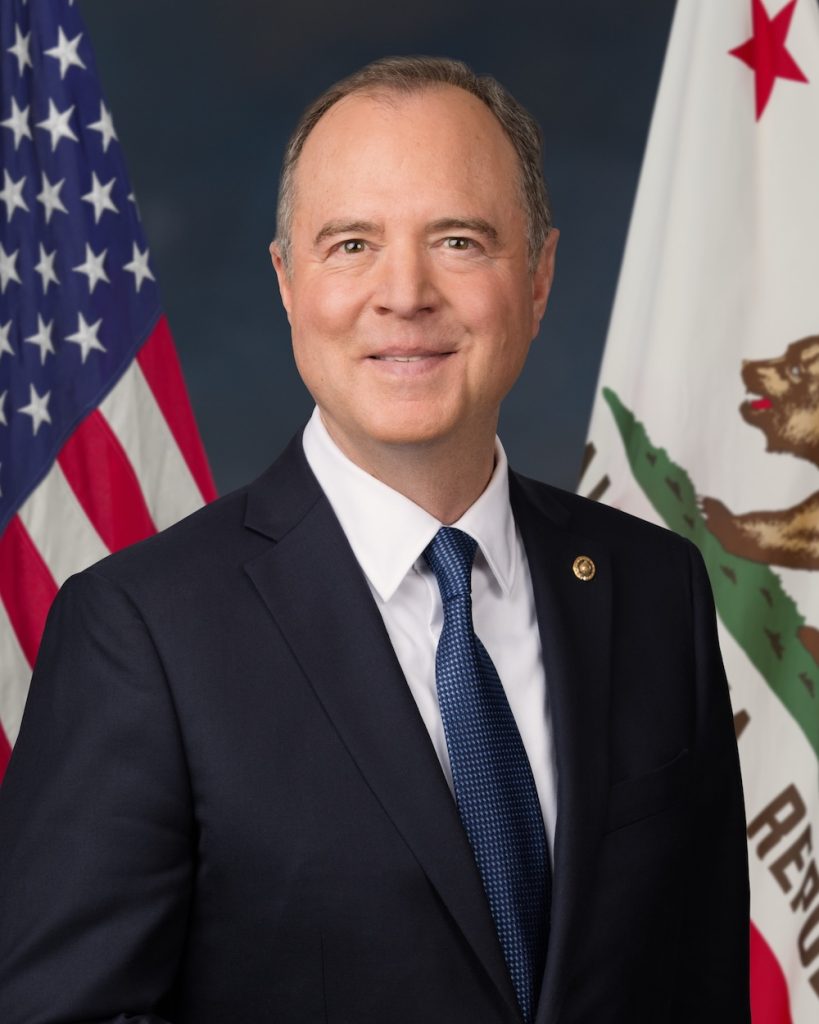
Adam
Schiff
U.S. Senator
for California
START WITH THE LEVEL. THEN CHOOSE THE REPRESENTATIVE WHO CAN ACT.
Prom has a democracy problem.
More than 100 seniors have opinions about the music. To get your songs played, you have to tell Mrs. Avila what you want to hear.
But Mrs. Avila is also hearing from the juniors who organized prom, the dance chaperones, the DJ, and groups of students all pushing for different music.
Then prom arrives. The chaperones are singing along, the juniors love the playlist—and your request never plays. Not once.
At what point do you start getting annoyed?
TPS: Who should Mrs. Avila listen to most when choosing the music? What would make you feel like your opinion actually counted?

RETRIEVAL BEAT
PROM WAS THE EASY PART.
Use what you remember from our last lesson.
Before we go further, what does REPUBLICANISM mean?
REPUBLICANISM means that we elect representatives to make decisions for us instead of voting on every issue ourselves.
But republicanism does not answer the harder question: Once representatives have power, who are they really listening to?
[ADD SQUARE IMAGE]
A Replubic, if...
Last lesson, we studied six democratic ideals. A DEMOCRATIC IDEAL is a belief about how democracy should work.
One ideal was REPUBLICANISM. It means that people govern through elected representatives.
A REPRESENTATIVE DEMOCRACY is the system that puts this ideal into practice. Citizens elect officials to make public decisions for them.
But representatives cannot follow every request. How can the system live up to the promise that the people should govern?
Three models offer different answers.
EQ: How does representative democracy decide whose voices matter?
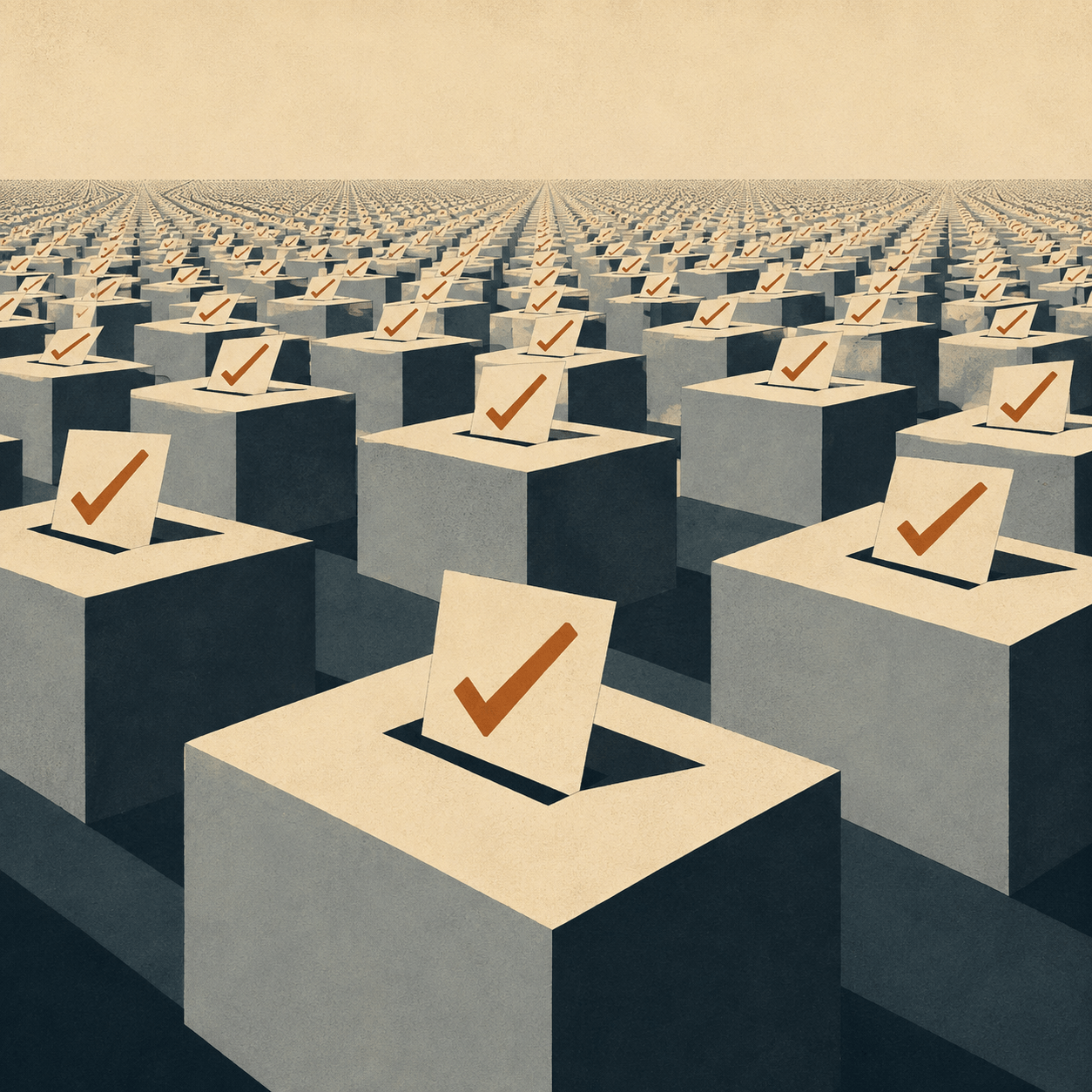
DEMOCRATIC MODELS
PARTICIPATORY DEMOCRACY
INDIVIDUAL
CITIZENS
DIRECT
PARTICIPATION
GOVERNMENT
MODEL 01
We The People
One model of representative democracy is PARTICIPATORY DEMOCRACY. A model is a way of explaining how a political system works.
This model says government works best when ordinary people take an active role.
Citizens participate by voting, contacting officials, attending meetings, protesting, joining campaigns, and sometimes voting directly on policies.
Representatives should remain close to the people and respond to what citizens say they want.
More participation gives the public a stronger voice.
[ADD SQUARE IMAGE]
EQ: How does representative democracy decide whose voices matter?
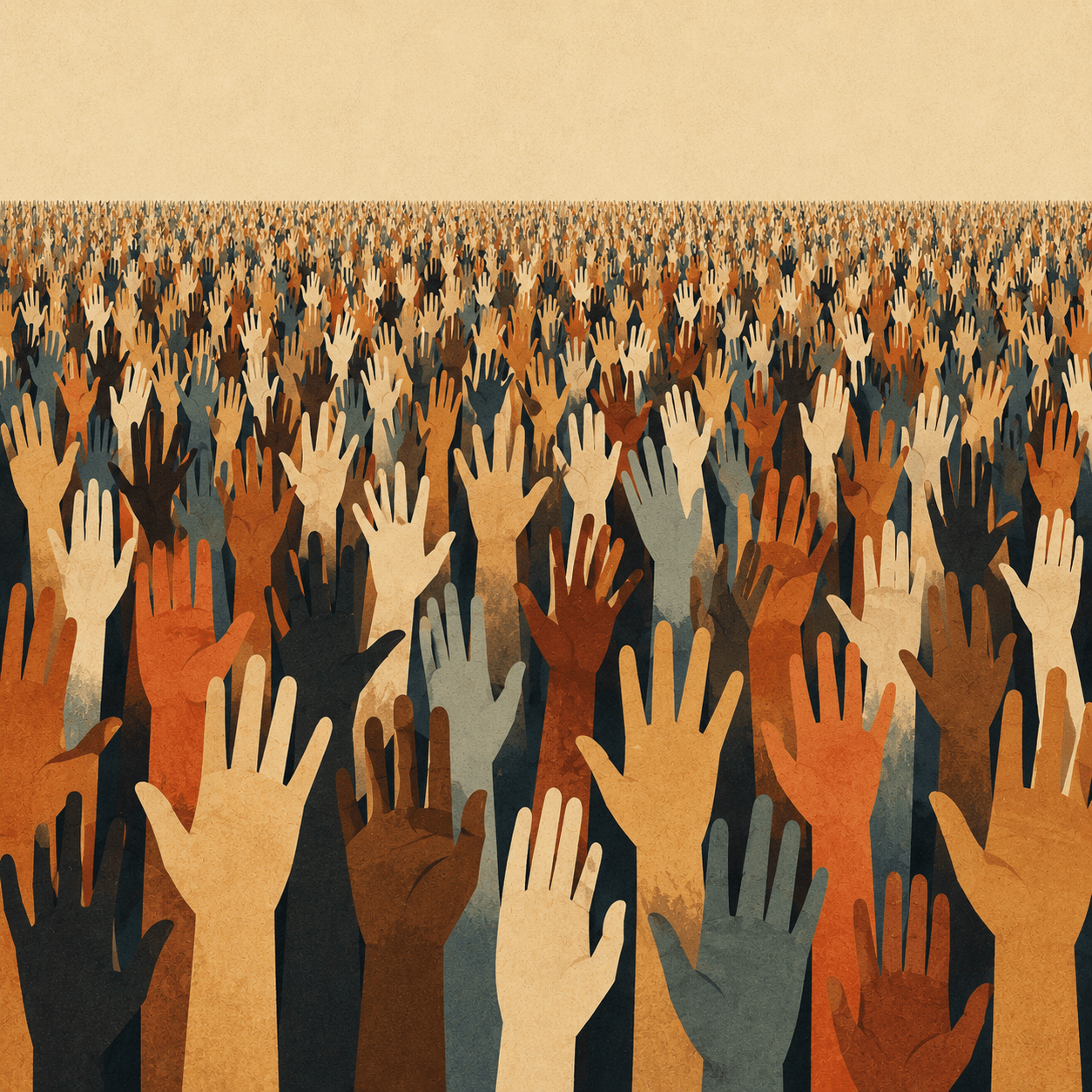
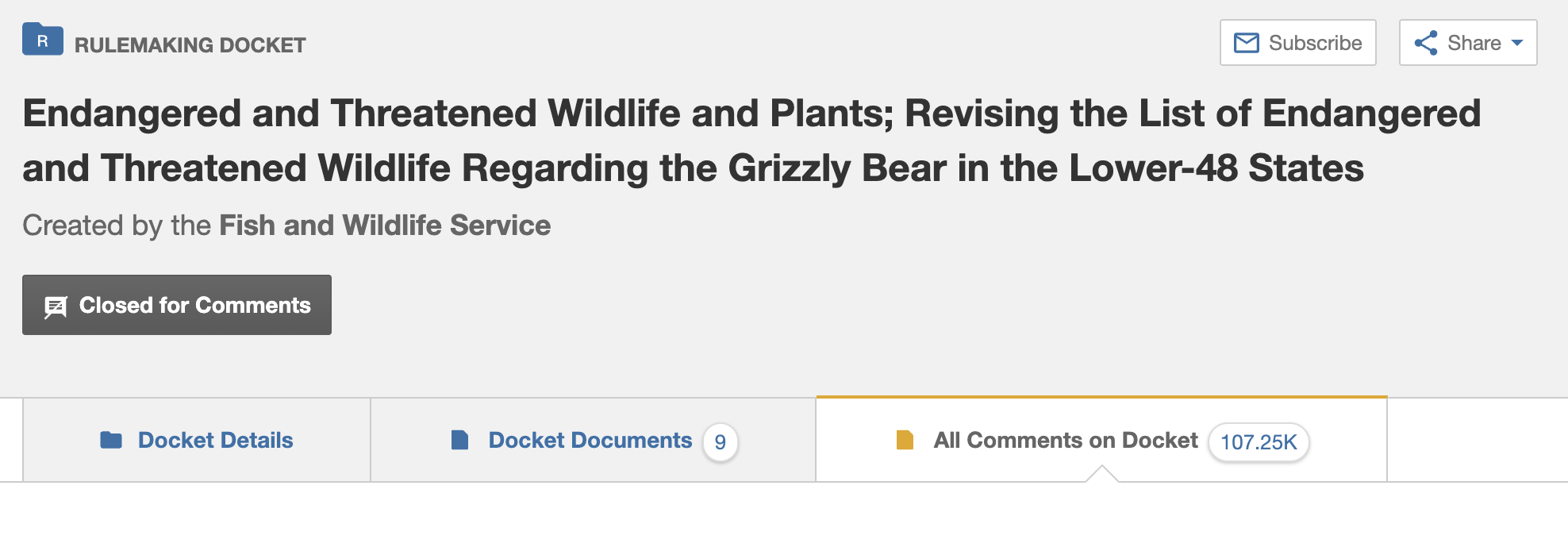
Public comments are one way citizens practice PARTICIPATORY DEMOCRACY.
Citizens can use Regulations.gov to respond directly to proposed federal rules.
Agencies review relevant comments before issuing a final rule.
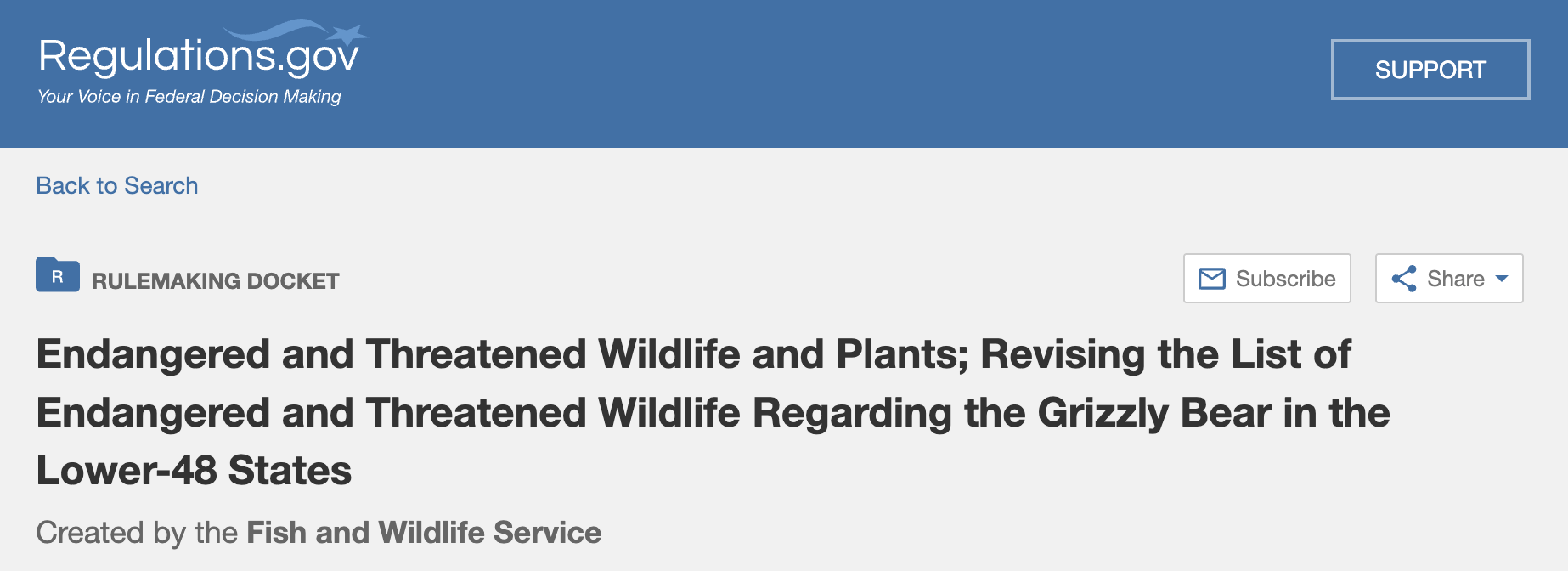
More than 100,000 people jumped into the conversation. That is PARTICIPATORY DEMOCRACY in action—but federal agencies do not count comments like votes.
HOLD THAT THOUGHT
Visit Regulations.gov and search for something you care about—or something strange that makes you curious.
See whether the federal government has proposed a rule about it. Then open the rule and explore a few public comments.
TPS: Is this an effective way to get the government to listen to you? Why or why not?
REGULATIONS.GOV

Regulations.gov homepage · U.S. General Services Administration
DEMOCRATIC MODELS
PLURALIST DEMOCRACY
INDIVIDUAL
CITIZENS
ORGANIZED
GROUPS
GOVERNMENT
MODEL 02
[ADD SQUARE IMAGE]
Strength in Numbers
A second model of representative democracy is PLURALIST DEMOCRACY. It says people gain influence by joining others who share their concerns.
A FACTION forms around a shared interest. Modern factions often work through INTEREST GROUPS. The AARP represents older Americans, the Sierra Club supports environmental protection, and the NRA supports gun-ownership rights.
These groups collect money, contact officials, run advertisements, and support candidates.
Organization can make a shared voice harder to ignore.
EQ: How does representative democracy decide whose voices matter?

“
LIBERTY is to FACTION
what AIR is to FIRE.”
James Madison · Federalist No. 10 · 1787
TEST THE ANALOGY
Madison compared LIBERTY to air: it allows FACTIONS to form and grow.
For the next 13 minutes, test his analogy. Search an issue you care about. Follow the organizations that catch your attention. Notice who wants government to do what.
BE READY: Where did you see Madison’s “air to fire” analogy come alive?
OPEN THE EXPLORER
GO TO
TYPE IT AS ONE LINE
Search freely. You do not need to open every result.
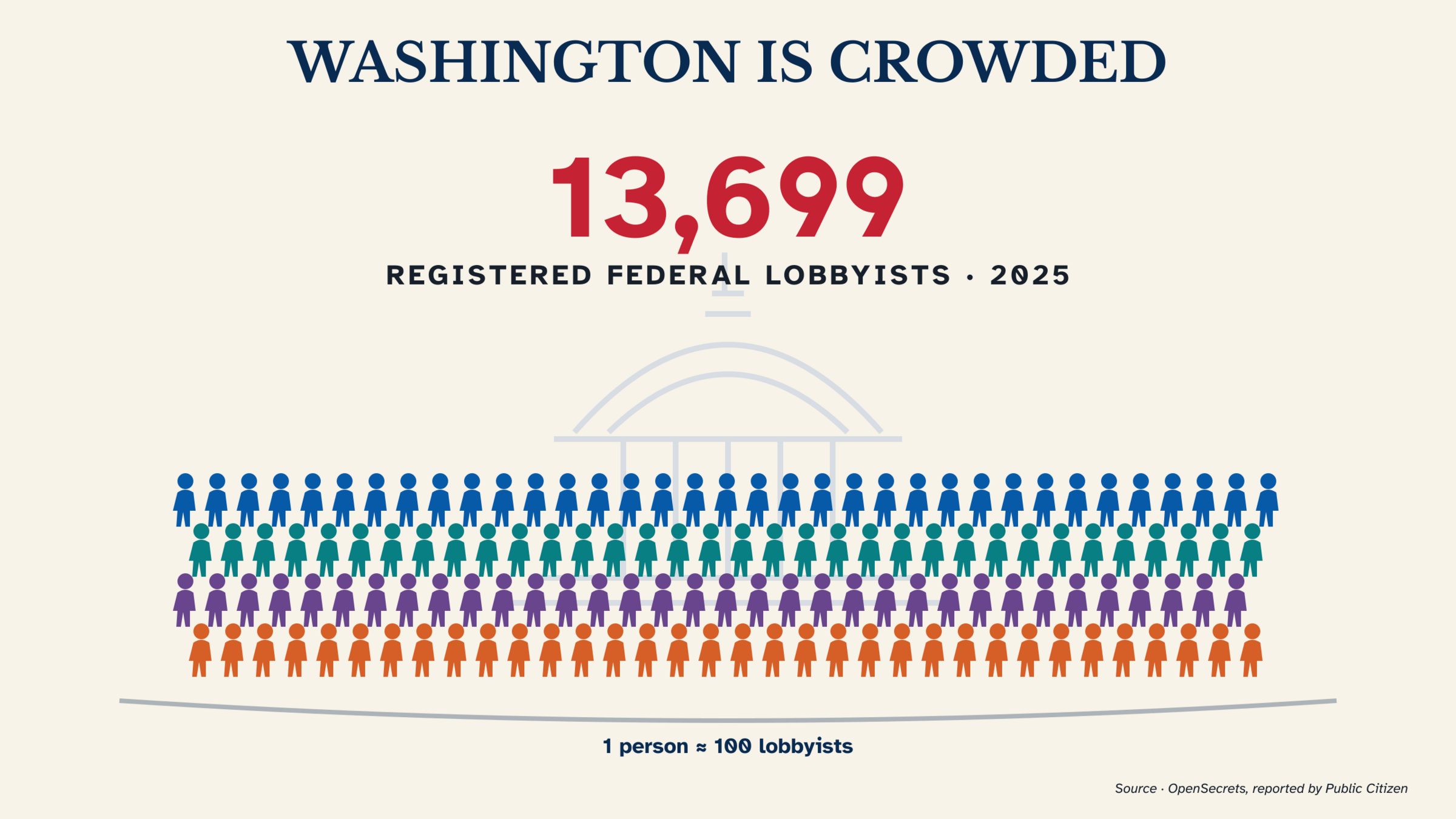
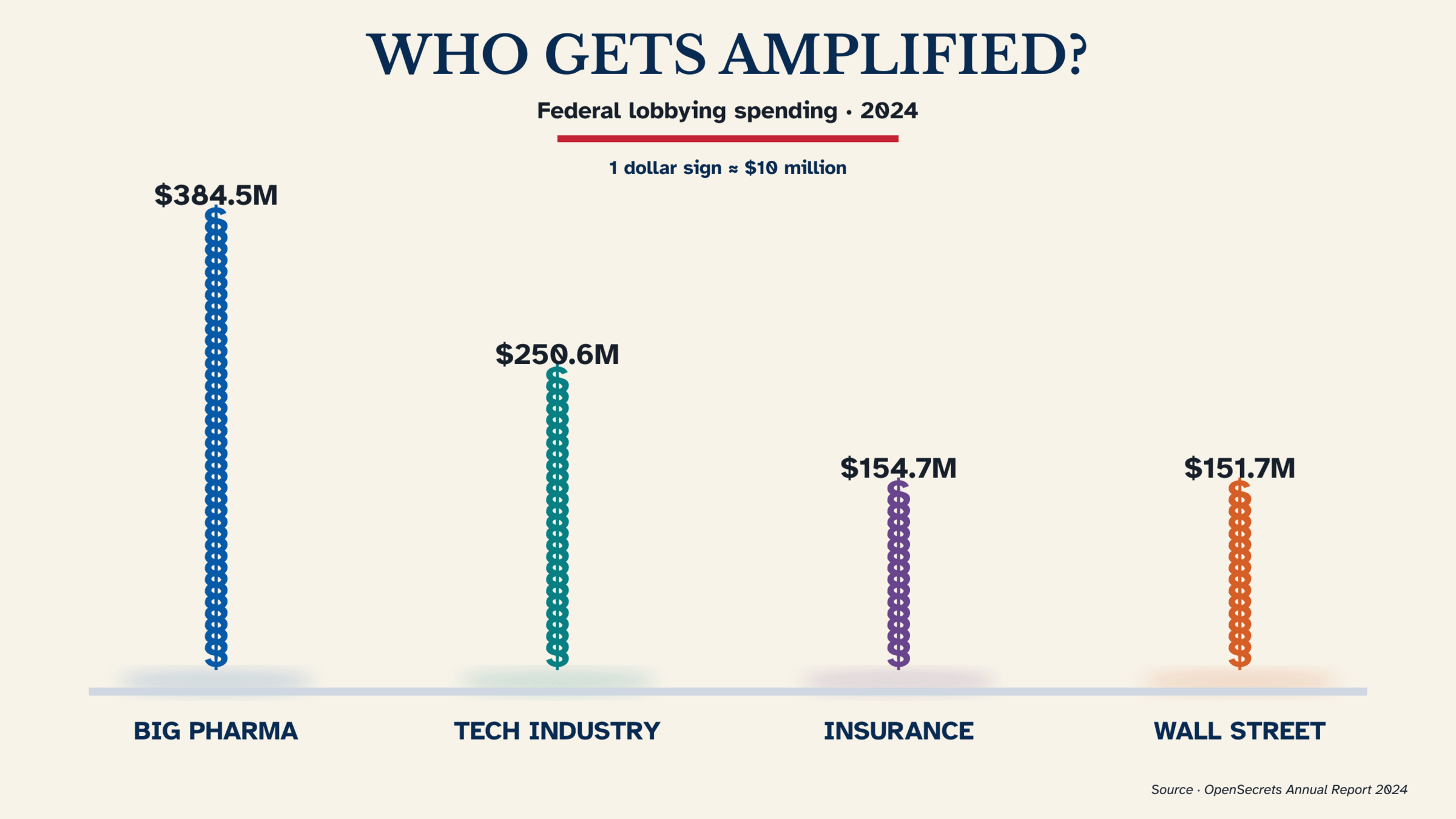
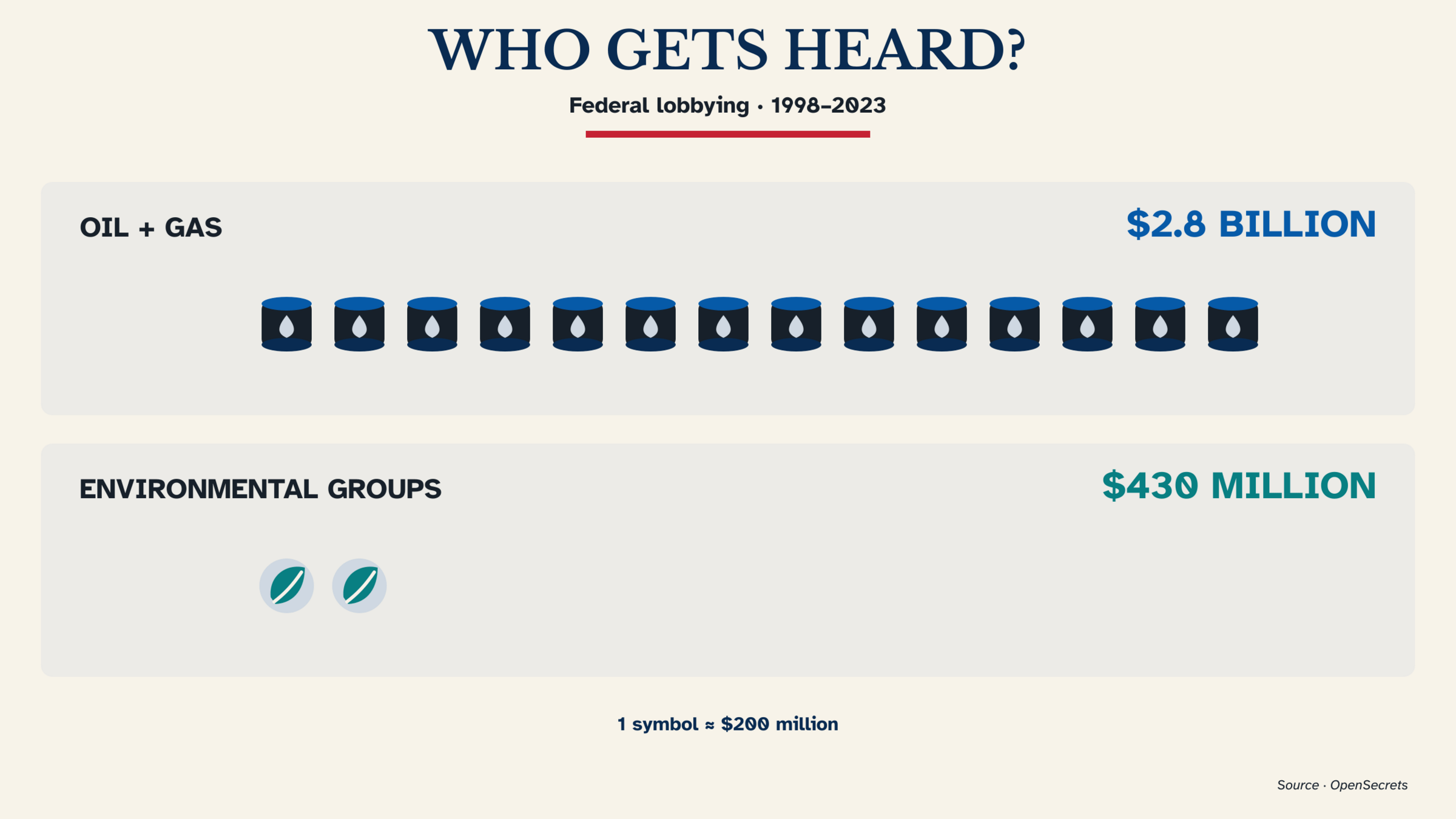
THINK–PAIR–SHARE: How do the crowds and spending we just saw help explain Madison’s air-to-fire analogy?
“Liberty is to faction what air is to fire.”
James Madison, Federalist No. 10 (1787)
Fight fire with fire
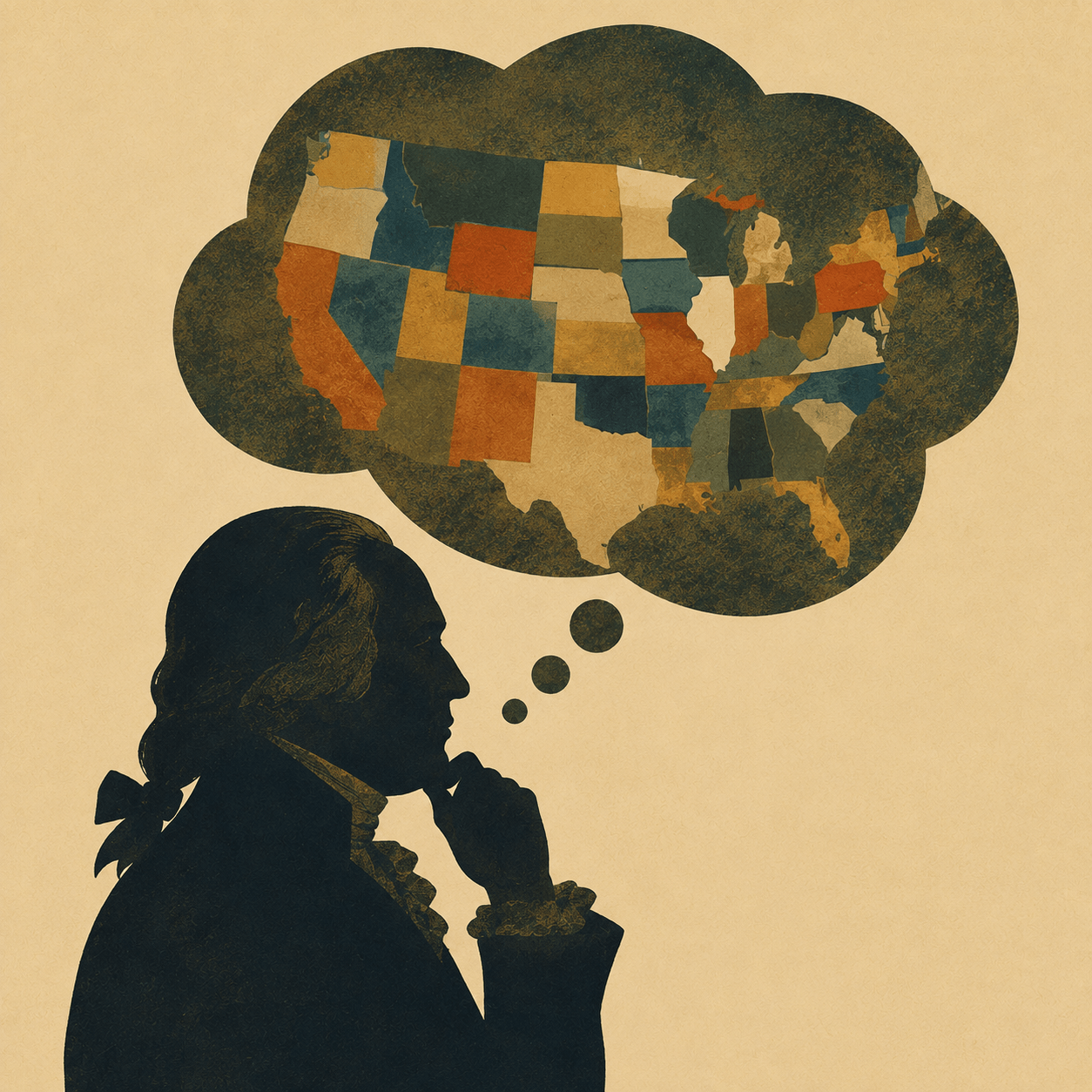
In FEDERALIST NO. 10, Madison argued that LIBERTY—people’s freedom to hold different beliefs and organize around shared interests—allows FACTIONS to form, just as air feeds fire. Taking away that freedom would be worse than the factions themselves.
His solution was a large REPUBLIC with so many competing factions that no single group could easily take control. As Madison wrote, “Ambition must be made to counteract ambition.”
Madison’s argument supports A PLURALIST MODEL of representative democracy.
[ADD SQUARE IMAGE]
EQ: How does representative democracy decide whose voices matter?
DEMOCRATIC MODELS
ELITE DEMOCRACY
INDIVIDUAL
CITIZENS
ELECTED LEADERS
& EXPERTS
GOVERNMENT
MODEL 03
A Small Number
PARTICIPATORY DEMOCRACY brings individuals into the process. PLURALIST DEMOCRACY brings organized groups. A third model, ELITE DEMOCRACY, narrows the funnel: many people may express opinions, but a much smaller group does the detailed work of governing.
Elected leaders rely on judges, administrators, scientists, economists, and other experts who understand complicated issues. Supporters believe this produces more informed and steady decisions.
But is limiting decision-making to a few voices ANTITHETICAL to the ideal of REPUBLICANISM?
[ADD SQUARE IMAGE]
EQ: How does representative democracy decide whose voices matter?

[ADD SQUARE IMAGE]
An Intermediate Body
The Constitution includes several features that place decisions in the hands of a smaller group:
- The ELECTORAL COLLEGE formally selects the president.
- The SENATE gives two members from each state longer six-year terms.
- FEDERAL JUDGES are appointed rather than elected and serve for life.
- The president appoints officials and experts to lead EXECUTIVE AGENCIES.
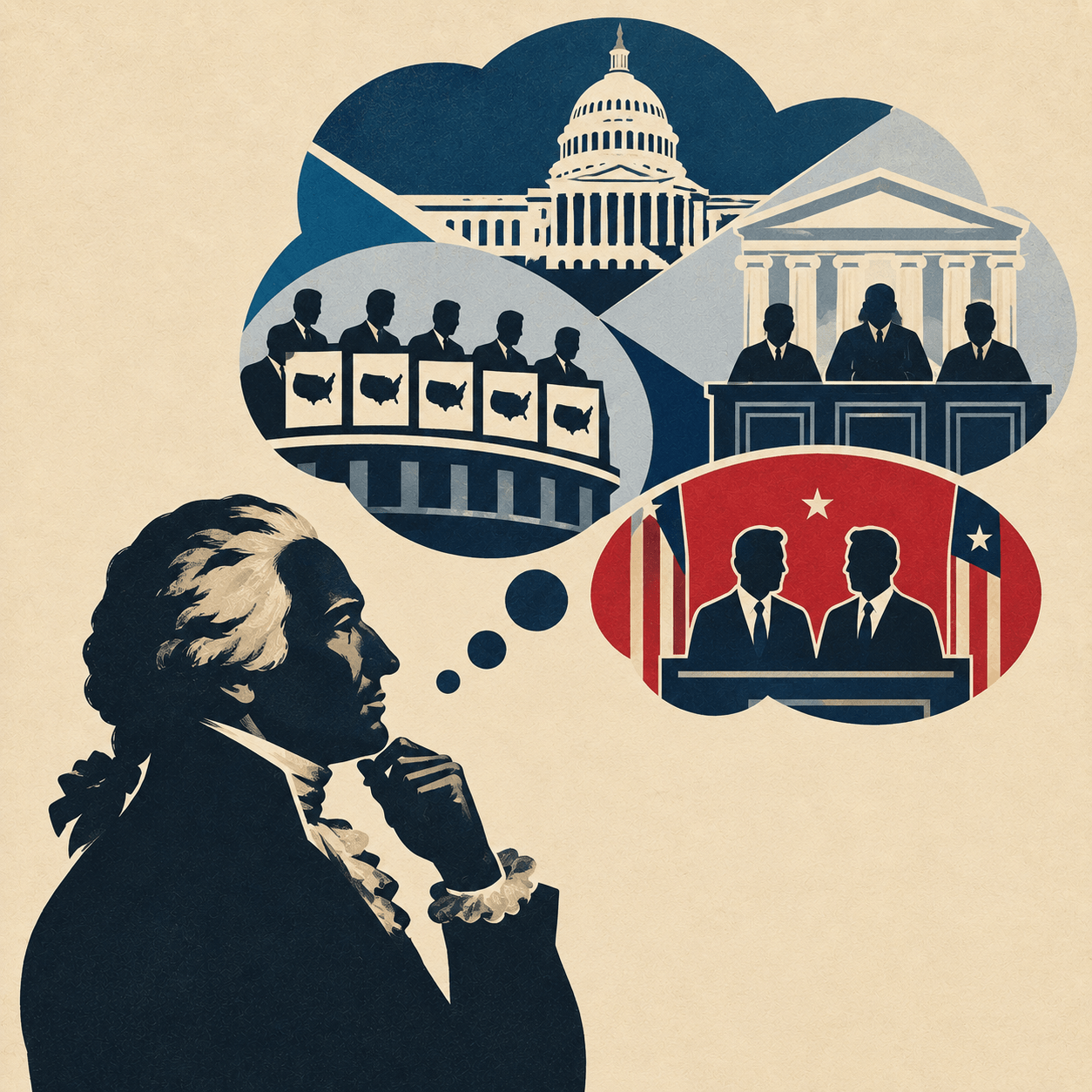
These features give decision-makers space to use their own judgment, but the ELITE MODEL rarely operates alone; elections, citizens, and organized groups still influence them.
EQ: How does representative democracy decide whose voices matter?
LESSON RECAP
American representative democracy blends three routes of influence: citizens participate directly, organized groups compete, and leaders and experts make the final decisions.
- REPUBLICANISM gives citizens a voice through elected representatives.
- PARTICIPATORY DEMOCRACY offers direct access, but individual voices may get lost in the crowd.
- PLURALIST DEMOCRACY amplifies organized groups, but those groups do not have equal resources.
- ELITE DEMOCRACY relies on experienced leaders and experts, but places final decisions in fewer hands.
EQ: [ESSENTIAL QUESTION]
BEHIND THE FRAME
[ADD PORTRAIT IMAGE]
[ADD PORTRAIT IMAGE]
[IMAGE TITLE]
• [FIRST IMPORTANT FACT]
• [SECOND IMPORTANT FACT]
• [WHAT THE IMAGE REVEALS]
• [ONE FINAL DETAIL OR MYTH CHECK]
CIVIC CHECK
[OR]
[TRIVIA OR
REVIEW TITLE]
[ONE-SENTENCE DIRECTIONS]
[GAME NAME]
[TYPE THE QUESTION HERE]
[CHOICE A]
[CHOICE B]
[CHOICE C]
[CHOICE D]
TRUE OR FALSE
[TYPE THE TRUE OR FALSE STATEMENT]
TRUE
FALSE
ANSWER
[CORRECT ANSWER]
[EXPLAIN WHY THIS IS THE CORRECT ANSWER.]
[ADD AN IMPORTANT CONNECTION, RULE, CASE, PIECE OF EVIDENCE, OR REAL-WORLD IMPACT.]
NEXT UP
[ACTIVITY TITLE]
YOUR GOAL
[WHAT STUDENTS WILL DO, CREATE, DISCUSS, OR SUBMIT]
GET READY
[MATERIALS, PARTNERS, DOCUMENT, OR STARTING LOCATION]
[SHORT TRANSITION CUE]
ACTIVITY INSTRUCTIONS
[ACTIVITY NAME]
[OPTIONAL ONE-SENTENCE PURPOSE]
1
[ACTION VERB]
[SHORT INSTRUCTION.]
2
[ACTION VERB]
[SHORT INSTRUCTION.]
3
[ACTION VERB]
[SHORT INSTRUCTION.]
4
[ACTION VERB]
[SHORT INSTRUCTION.]
[WHAT STUDENTS SHOULD HAVE READY OR COMPLETE]
WORD WALL
[TERM ONE]
[Concise, student-friendly definition.]
[TERM TWO]
[Concise, student-friendly definition.]
[TERM THREE]
[Concise, student-friendly definition.]
[TERM FOUR]
[Concise, student-friendly definition.]
[TERM FIVE]
[Concise, student-friendly definition.]
[TERM SIX]
[Concise, student-friendly definition.]
NOW PLAYING:
[MOVIE TITLE]
[VIEWING EXPECTATIONS] [OPTIONAL SUBLABEL]
• [FIRST VIEWING EXPECTATION]
• [SECOND VIEWING EXPECTATION]
• [THIRD VIEWING EXPECTATION]
[ADD 2:3 POSTER]
THEMES + IDEAS TO WATCH FOR:
• [FIRST THEME OR IDEA]
• [SECOND THEME OR IDEA]
• [THIRD THEME OR IDEA]
• [FOURTH THEME OR IDEA]
[CHECKLIST CATEGORY]
[CHECKLIST TITLE]
[LEFT COLUMN]
☐ [FIRST ITEM]
☐ [SECOND ITEM]
☐ [THIRD ITEM]
[RIGHT COLUMN]
☐ [FOURTH ITEM]
☐ [FIFTH ITEM]
[OPTIONAL NEXT-STEP LABEL]
[OPTIONAL NEXT STEP]
[ANNOUNCEMENT CATEGORY]
[ANNOUNCEMENT TITLE]
[ONE-SENTENCE CONTEXT OR PURPOSE.]
01
[FIRST HEADING]
[FIRST DETAIL OR ACTION.]
02
[SECOND HEADING]
[SECOND DETAIL OR ACTION.]
03
[THIRD HEADING]
[THIRD DETAIL OR ACTION.]
[CALL TO ACTION OR DEADLINE]
MY CORE EXPECTATIONS
#1
[EXPECTATION]
WHY IT MATTERS
[EXPLAIN WHY THIS EXPECTATION MATTERS IN ONE SENTENCE.]
COLLABORATIVE BRAINSTORM
1 · THINK
[INDIVIDUAL BRAINSTORM PROMPT]
2 · SHARE
[HOW AND WHEN STUDENTS SHARE THEIR IDEAS]
3 · CONNECT
[FOLLOW-UP QUESTION, CONNECTION, OR THINK-PAIR-SHARE]
THINK · SHARE · CONNECT