LESSON 1.03
the history lesson
How did the United States replace a weak national government without creating another tyranny?
AP TOPICS 1.3-1.5
LESSON 1.03
The history lesson
ESSENTIAL QUESTION
How did the United States replace a weak national government without creating another tyranny?
AP 1.3-1.5
TODAY
01 · TEACH THE HISTORY GROUP PROJECT
02 · REVIEW NOTES 1.01-1.03
03 · DAVE (1993)
COMING UP
•
LESSON [0.#]
[LESSON TITLE]
ESSENTIAL QUESTION
[ESSENTIAL QUESTION]
STANDARDS · [AP / CA CODES]
TODAY'S AGENDA
01
[FIRST AGENDA ITEM]
02
[SECOND AGENDA ITEM]
03
[THIRD AGENDA ITEM]
04
[FOURTH AGENDA ITEM]
Seven Parts of the Story
FROM INDEPENDENCE TO THE BILL OF RIGHTS
01
1776
02
1781
03
1780s
04
1787
05
1787
06
1787–1788
07
1788–1791
Each section tells one part of the larger story.
Choose Your History Section
FIND A PARTNER, EXPLORE THE SITE, CLAIM YOUR CARDS
👥 1. FIND A PARTNER Choose someone you can plan and teach with.
🔎 2. EXPLORE THE SITE Open Unit 1: 1.03 The History Lesson. Browse any mini lesson from #2–7.
🤝 3. CHOOSE TOGETHER Agree on one mini lesson. Keep a backup choice in mind.
🗂️ 4. CLAIM YOUR CARDS At the back of the room, find your section’s cards. Each partner takes one. If they are gone, choose another section.
YOUR SECTION IS CLAIMED when both partners have an index card.
Teach the History
YOUR INDEX CARD IS YOUR TEACHING GUIDE
🗂️ 1. CHECK YOUR CARD
Each partner gets a card. Find your SECTION NUMBER at the top.
🔎 2. READ YOUR SECTION
Read the site together. Focus on the big idea and the BE READY TO TEACH checklist.
✍️ 3. FILL IN YOUR CARD
Write your own notes for teaching. Make sure your card covers the checklist.
🎤 4. PRACTICE FOR FRIDAY
Take turns explaining. Six groups will be chosen at random, so everyone must be ready.
Final Check + Presentations
15 MINUTES TO GET PRESENTATION-READY
🔎 1. REVIEW YOUR CARD
Check it against the History Lesson site and the presentation at the bottom. Add anything important you missed.
✍️ 2. SIGN IT
Write YOUR NAME clearly. Your card will be collected after the presentations.
🎤 3. REHEARSE
Practice explaining your section with your partner. Any group may be called.
🖍️ 4. KEEP ADDING NOTES
As groups present, highlight key ideas and add useful details to your card.
⭐ EXTRA CREDIT: The first groups to volunteer can earn it.
NOW PLAYING:
DAVE (1993)
VIEWING EXPECTATIONS
• No talking.
• No headphones or gaming.
• Pay attention, even if passively.
[ADD 2:3 POSTER]
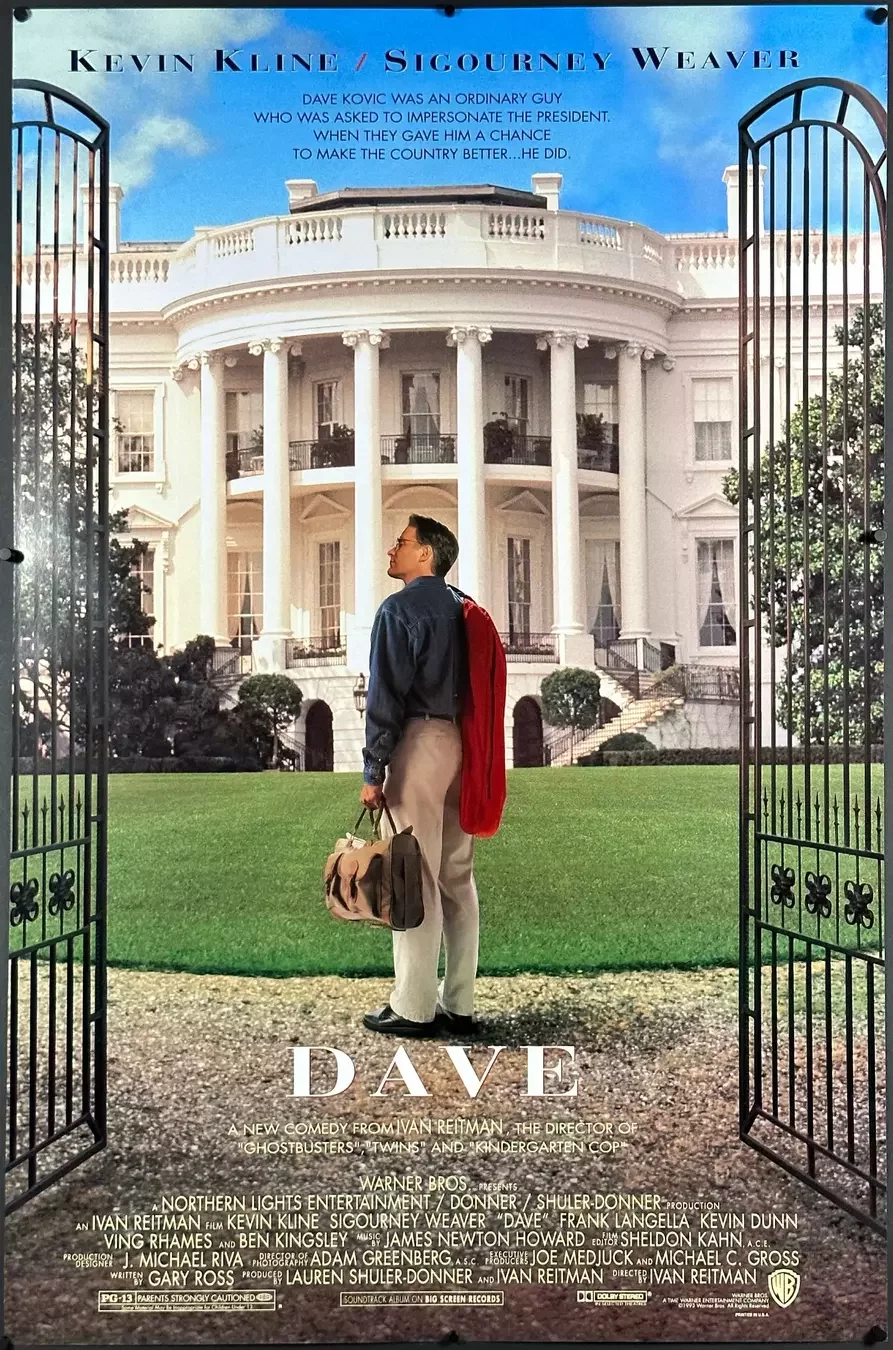
[ADD 2:3 POSTER OR IMAGE]
THEMES TO WATCH FOR
- POPULAR SOVEREIGNTY — Renewed public trust
- ELITE DEMOCRACY — Insiders control decisions
- LIMITED GOVERNMENT — Power needs restraints

THEMES + IDEAS TO WATCH FOR:
• [FIRST THEME OR IDEA]
• [SECOND THEME OR IDEA]
• [THIRD THEME OR IDEA]
• [FOURTH THEME OR IDEA]
IF YOU RAN THE PLACE… · PART 2
Figure Out Your Move
Turn one issue from Part 1 into a researched, realistic action.
1
PICK YOUR FIGHT
Choose one issue from Part 1 that you care about.
2
GET THE RECEIPTS
Find:
• one solid fact
• what government is already doing
• one reason the problem is hard to solve
3
WHO’S GOT THE POWER?
Identify the local, state, or federal representative who can act.
4
YOUR MOVE
Choose one:
KEEP IT · CHANGE IT
START IT · STOP IT
Then explain why.
Research first. Decide second. Make a move you can defend.
HAVE A SAY · MAKE THEM LISTEN
STEP 3 · WHO’S GOT THE POWER?
Match Your Issue to the Right Level
LOCAL
STATE
FEDERAL
City rules, services,
or neighborhoods?
Would California law, funding,
or policy need to change?
Would national law, funding,
or policy need to change?

Henry L.
Foster III
City Council
District 4

Dr. LaShae
Sharp-Collins
State Assembly
District 79

Dr. Akilah
Weber Pierson
State Senate
District 39

Juan
Vargas
U.S. House
District 52

Alex
Padilla
U.S. Senator
for California
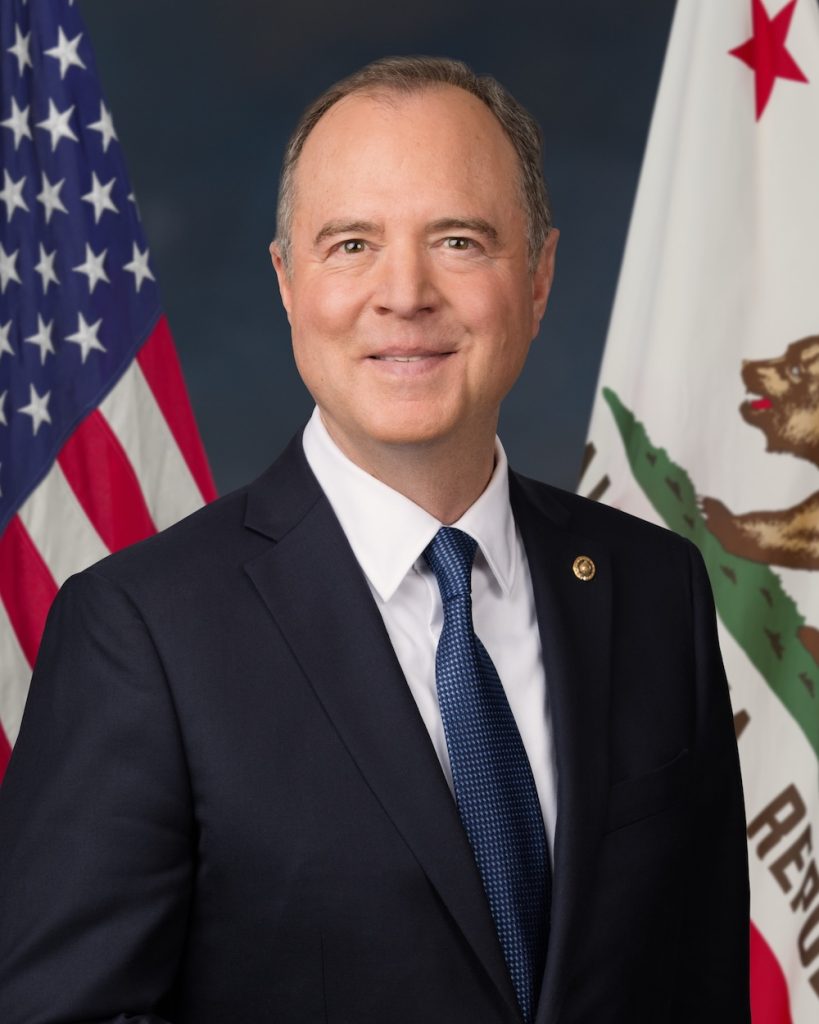
Adam
Schiff
U.S. Senator
for California
START WITH THE LEVEL. THEN CHOOSE THE REPRESENTATIVE WHO CAN ACT.
DEVICES READY · EYES UP
ASSESSMENT READY
ASSESSMENT
[ASSESSMENT NAME]
LOCATION
[WEBSITE OR APP]
PASSCODE
[PASSCODE]
How many of you have strict parents?
At home, they control your curfew, where you go, who you’re with, and how you spend your time. It can feel like every decision is made for you.
Now imagine moving away to SDSU. Suddenly, no one checks whether you went to class, tells you when to come home, or controls how you spend your money.
At first, total freedom feels amazing. Then you start missing assignments, running out of money, and heading toward academic probation.
TPS: Would you move back home and accept your parents’ rules—or what would you do?

THE BRIDGE
Total freedom sounded perfect—until having almost no rules created new problems. After independence, Americans also had to find a better balance.
- The ARTICLES OF CONFEDERATION protected the states from too much national control—but left the national government too weak.
- The CONSTITUTION and RATIFICATION asked whether Americans could strengthen the government without sacrificing liberty.
[ADD SQUARE IMAGE]
Life and liberty
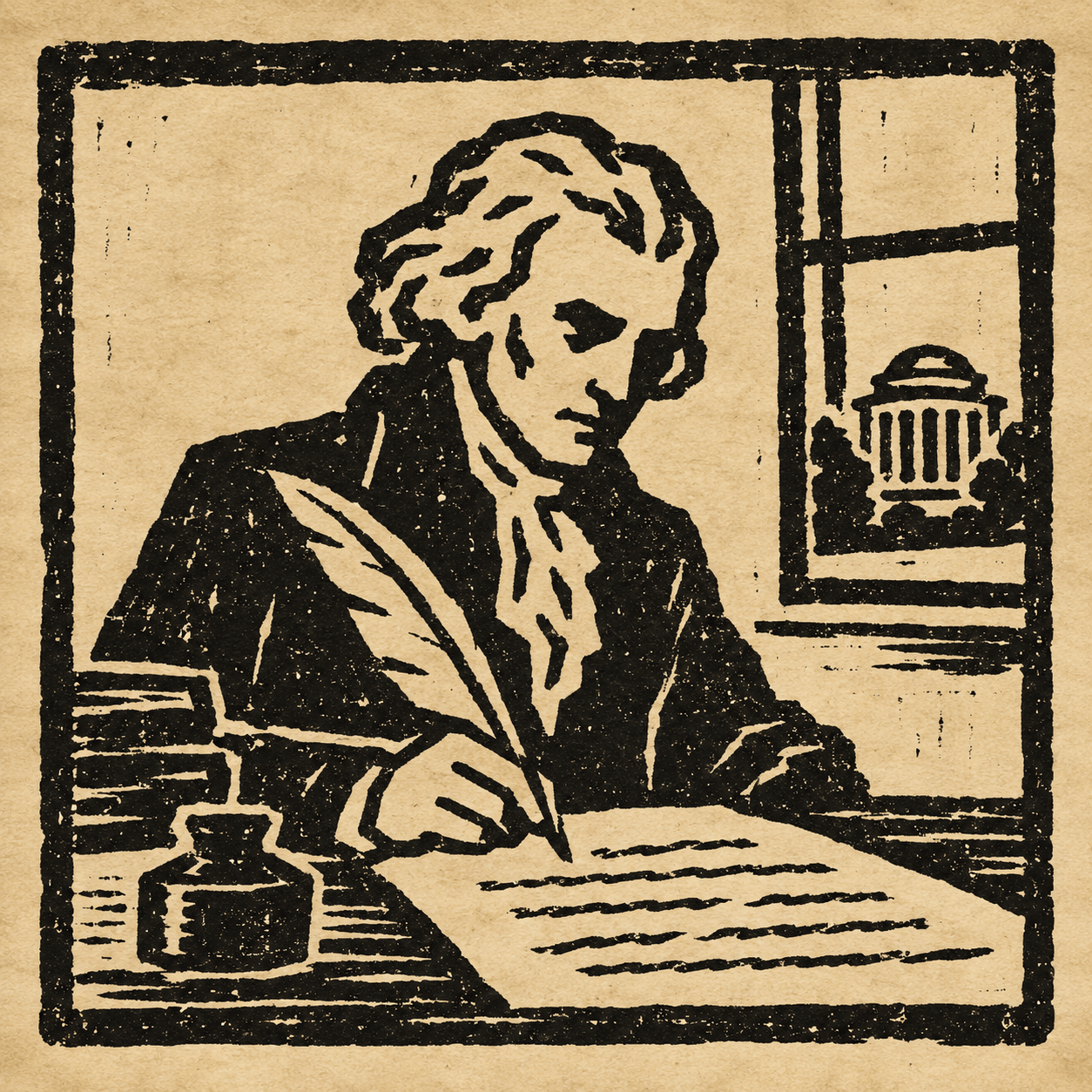
In 1776, the DECLARATION OF INDEPENDENCE explained why separation from Britain was justified. Government had failed because concentrated power repeatedly violated INDIVIDUAL RIGHTS.
The Declaration argued that people possessed NATURAL RIGHTS and that legitimate authority depended on consent. Through POPULAR SOVEREIGNTY, political power originated with the people.
Government remained legitimate only while it protected rights. This principle established the standard Americans later used to judge both the Articles and the Constitution.
EQ:How did the United States replace a weak national government without creating another tyranny?
SECTION 1 · DECLARATION OF INDEPENDENCE
Three Claims About Government
RIGHTS
People possessed NATURAL RIGHTS.
Government did not create those rights.
CONSENT
POPULAR SOVEREIGNTY placed political authority with the people.
Legitimate power required consent.
CHANGE
People could alter or abolish a government that violated their rights.
Its authority depended on consent.
A FIrm league
After independence, Americans needed cooperation among the states, but their experience with Britain made concentrated national power appear dangerous.
The ARTICLES OF CONFEDERATION created a loose union. Every state retained STATE SOVEREIGNTY and received one vote in a UNICAMERAL CONGRESS, regardless of population. Congress possessed only the powers the states granted it.
Fear of tyranny produced a deliberately weak national government. Its limited powers mattered when Congress confronted problems affecting the entire country.
[ADD SQUARE IMAGE]
EQ: How did the United States replace a weak national government without creating another tyranny?

SECTION 2 · ARTICLES OF CONFEDERATION
The Limits of Congress
CONGRESS COULD
- Declare war
- Conduct diplomacy
- Coin money
- Request state money and troops
CONGRESS COULD NOT
- Collect taxes directly
- Regulate interstate trade
- Use an executive to enforce decisions
- Use national courts to settle disputes
- Control coinage exclusively
[ADD SQUARE IMAGE]
The Common defense
Congress could declare war, conduct diplomacy, coin money, and request resources. However, it could not collect taxes directly, regulate INTERSTATE COMMERCE, or compel states to follow national decisions.
Without an executive, national policies lacked dependable enforcement. Without national courts, disputes lacked consistent interpretation. Congress also depended on states for troops and funding.
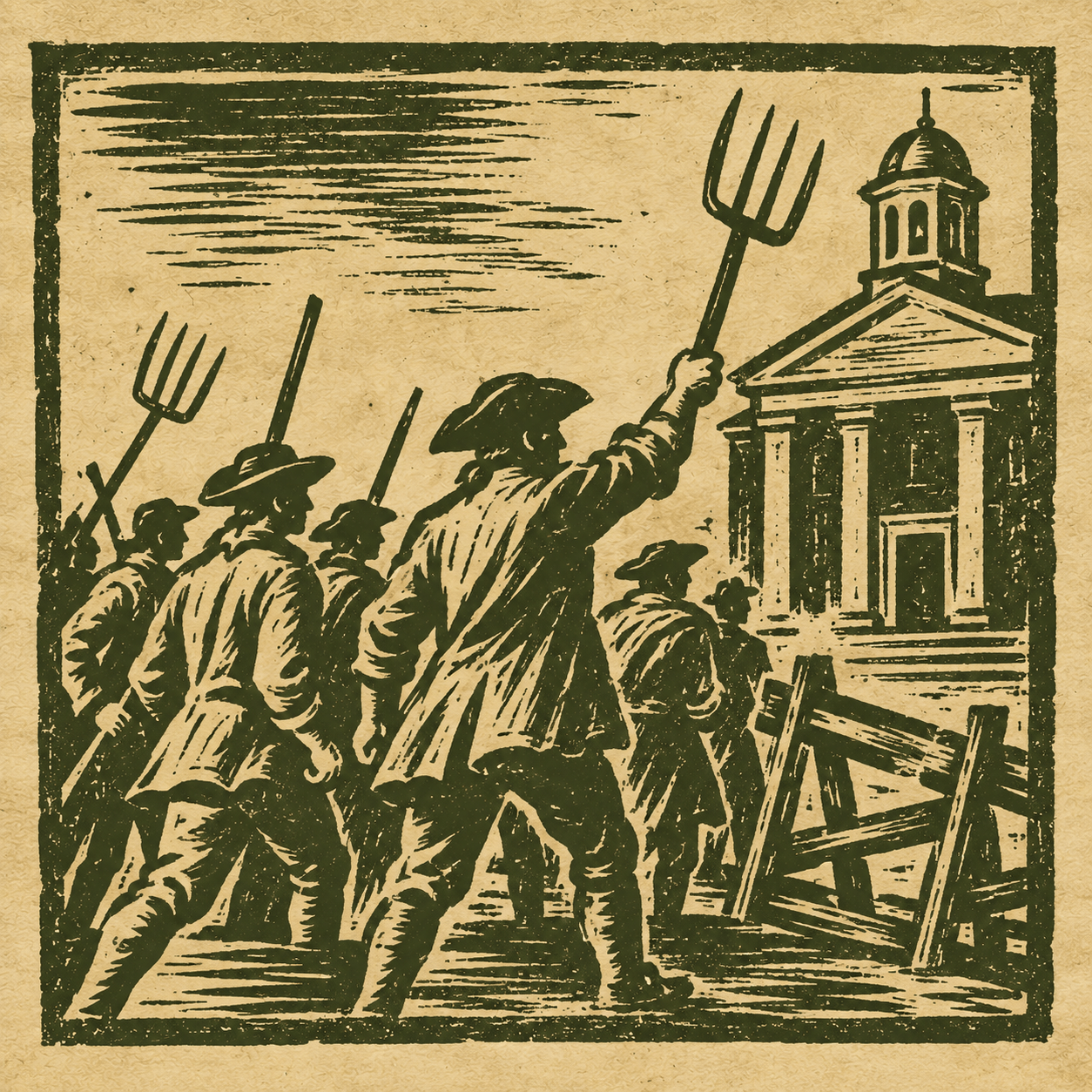
SHAYS’ REBELLION exposed these weaknesses. National responsibilities required usable national powers, and the Articles did not provide enough of them.
EQ: How did the United States replace a weak national government without creating another tyranny?
SECTION 3 · CHALLENGES OF THE ARTICLES
When Congress Could Not Act
ARTICLES WEAKNESS
NATIONAL CONSEQUENCE
No direct taxation
State contributions fell short, leaving debts and defense underfunded.
No commerce power
Competing state rules disrupted interstate commerce.
No executive or judiciary
National decisions lacked enforcement and consistent interpretation.
Unanimous amendments
One state could block reform.
No centralized military power
Shays’ Rebellion exposed the weakness of the national response.
A more perfect union
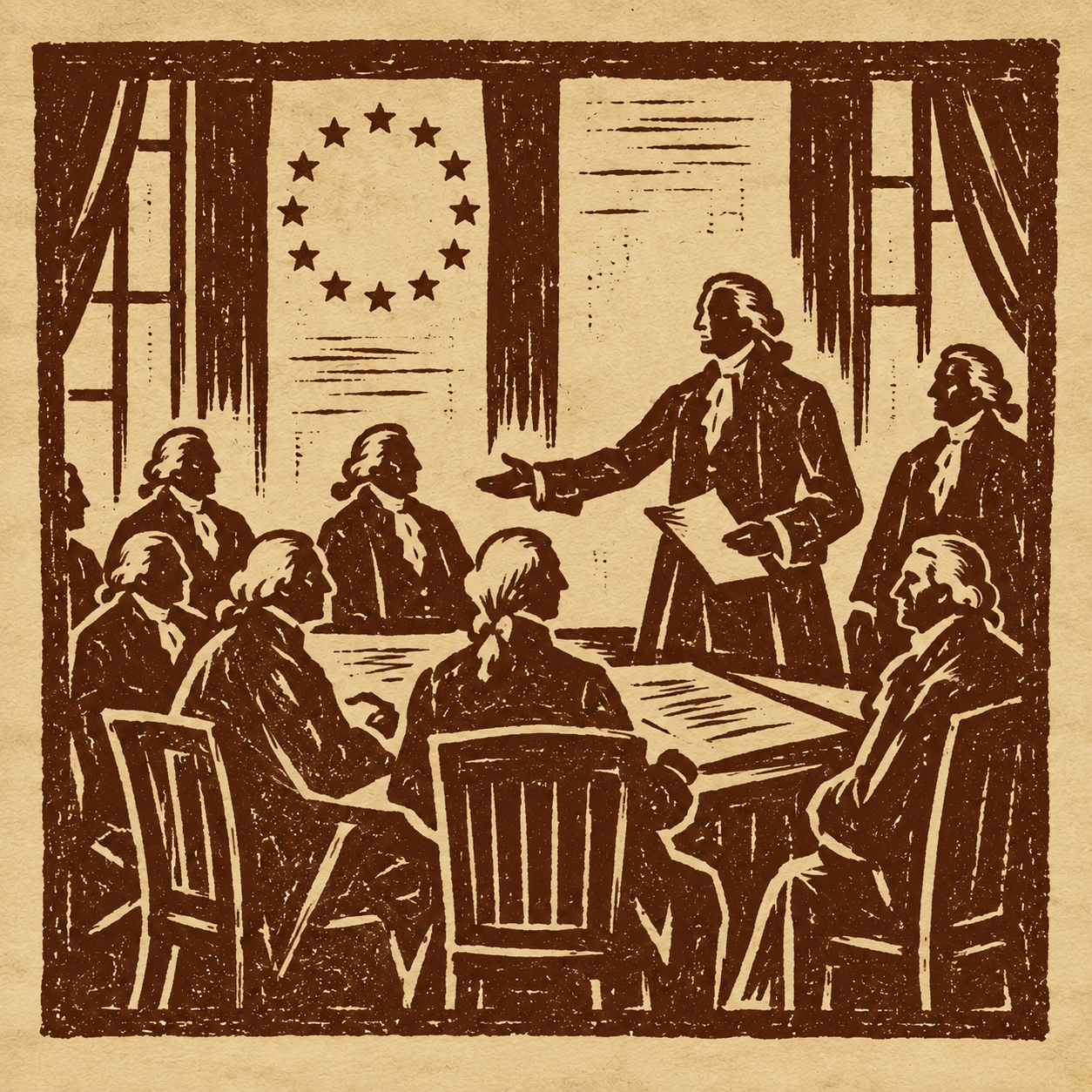
In 1787, delegates gathered to revise the Articles. They instead created a new CONSTITUTION that allowed the national government to tax, regulate INTERSTATE COMMERCE, enforce laws, and operate federal courts.
The delegates also limited the stronger government. SEPARATION OF POWERS divided responsibilities among three branches, while CHECKS AND BALANCES allowed each branch to restrain the others.
FEDERALISM divided authority between national and state governments. Power increased, but it did not remain in one place.
[ADD SQUARE IMAGE]
EQ: How did the United States replace a weak national government without creating another tyranny?
SECTION 4 · CONSTITUTIONAL CONVENTION
Power Was Divided Twice
WITHIN THE NATIONAL GOVERNMENT
SEPARATION OF POWERS gave different responsibilities to Congress, the president, and federal courts.
CHECKS AND BALANCES allowed the branches to restrain one another. No branch controlled the entire process.
BETWEEN LEVELS OF GOVERNMENT
FEDERALISM divided authority between the national and state governments.
The national government gained new powers. States retained authority over their own responsibilities.
[ADD SQUARE IMAGE]
Mutual Deference
Delegates could not complete the Constitution without settling disputes over representation, slavery, and presidential selection. Their compromises shaped who received influence in the new system.
The GREAT COMPROMISE created a BICAMERAL LEGISLATURE with population-based House representation and equal state representation in the Senate. The ELECTORAL COLLEGE established an indirect, state-based presidential selection process.
The THREE-FIFTHS COMPROMISE and the agreement protecting slave importation until 1808 increased slaveholding states’ influence. Compromise made agreement possible while distributing power unequally.
EQ: How did the United States replace a weak national government without creating another tyranny?

SECTION 5 · COMPROMISES
Agreement Reshaped Political Power
WHAT EACH AGREEMENT CHANGED
GREAT COMPROMISE
House seats followed population. Every state received two senators. Large and small states gained influence in different chambers.
ELECTORAL COLLEGE
State electors selected the president. Each state’s total reflected its House and Senate representation.
THREE-FIFTHS COMPROMISE
Three-fifths of enslaved populations counted for representation and direct taxation. Slaveholding states gained power without granting enslaved people rights.
Extend the sphere
The proposed Constitution produced a debate over whether stronger national authority would protect liberty or become another source of tyranny.
In FEDERALIST NO. 10, Madison argued that a large republic would contain many competing FACTIONS, making majority domination harder. BRUTUS NO. 1 argued that a large republic would distance representatives from citizens.
Brutus also warned that the NECESSARY AND PROPER CLAUSE and SUPREMACY CLAUSE could expand national authority. Both sides defended liberty through opposing theories of power.
[ADD SQUARE IMAGE]
EQ: How did the United States replace a weak national government without creating another tyranny?

SECTION 6 · RATIFICATION DEBATE
Two Arguments About Liberty
FEDERALIST NO. 10
POSITION
Supported ratification and stronger national authority.
CORE ARGUMENT
Many competing interests made it harder for a majority FACTION to threaten others’ rights.
More interests made domination harder.
BRUTUS NO. 1
POSITION
Opposed ratification and favored state authority.
CORE ARGUMENT
Distant representatives weakened accountability. The NECESSARY AND PROPER CLAUSE and SUPREMACY CLAUSE could expand national power and threaten rights.
[ADD SQUARE IMAGE]
nine states
Article VII required nine states to ratify the Constitution. FEDERALISTS supported the stronger national government, while ANTI-FEDERALISTS feared threats to state authority and individual liberty.
The original Constitution contained several protections, but it lacked a separate list of individual rights. FEDERALISTS promised that the new government would add one after ratification.
The ninth state ratified in 1788. The government began operating in 1789, and the BILL OF RIGHTS followed in 1791. Ratification joined stronger government with promised protections.
EQ: How did the United States replace a weak national government without creating another tyranny?
SECTION 7 · RATIFICATION
From Proposal to Protections
1787
PROPOSAL
Convention completed the Constitution.
1788
RATIFICATION
Ninth state approved the Constitution.
1789
NEW GOVERNMENT
Constitutional government began operating.
1791
RIGHTS PROTECTED
BILL OF RIGHTS was ratified.
LESSON RECAP
The United States replaced the weak national government by granting effective national powers while dividing authority and adding protections intended to guard against tyranny.
- ARTICLES OF CONFEDERATION → limited national power
- Articles weaknesses → stronger powers under the CONSTITUTION
- SEPARATION OF POWERS + CHECKS AND BALANCES + FEDERALISM → divided authority
- Ratification debate → BILL OF RIGHTS protections for individual liberty
EQ: [ESSENTIAL QUESTION]
WORD WALL
CONFEDERATION
A system in which sovereign states created a limited central government.
SEPARATION OF POWERS
The division of national authority among the legislative, executive, and judicial branches.
CHECKS AND BALANCES
Powers that allowed each branch to restrain the actions of the others.
FEDERALISM
The division of authority between the national and state governments.
BICAMERAL LEGISLATURE
A lawmaking body divided into two separate chambers.
RATIFICATION
The formal approval required for the Constitution to take effect.