LESSON 1.05
...BUT A COMPOSITION OF BOTH
What is federalism, and how is government power divided?
AP TOPICS 1.7–1.9
DEVICES READY · EYES UP
ASSESSMENT READY
ASSESSMENT
UNIT 1 PROGRESS CHECK: MCQ + FRQ A
LOCATION
AP CLASSROOM
PASSCODE
n/a
OTHER
Lockdown browser required. 1.05 worksheets allowed
[ADD 2:3 POSTER OR IMAGE]
FEDERALISM — QUICK CHECK Quiz
- USE YOUR NOTES OR OUR WEBPAGE TO STUDY LESSON 1.05.
- FOCUS ON: FEDERALISM, ENUMERATED / RESERVED / IMPLIED POWERS, 10TH AMENDMENT, + SUPREMACY CLAUSE.
- DON’T STUDY ANYTHING WE HAVEN’T COVERED YET.
CLASS DEBATE
THE GREAT DIVIDE
HOW WE'LL DO THIS
RESPECT THE SPEAKER
One voice at a time. Listen before jumping in.
MAKE SPACE, TAKE SPACE
Join in, and leave room for other voices.
DISAGREE WITH RESPECT
Challenge the idea, not the person.
DOES A STRAW HAVE
ONE HOLE OR TWO?

MAKE YOUR CASE
2 MINUTES
Your claim: One hole or two?
Your reasoning: Why is that the best description?
Your evidence: What about the straw supports your argument?
Your question: What could you ask someone who chose the other answer?
PICK A SIDE
THE GOAL
Defend your position with clear reasoning and evidence.
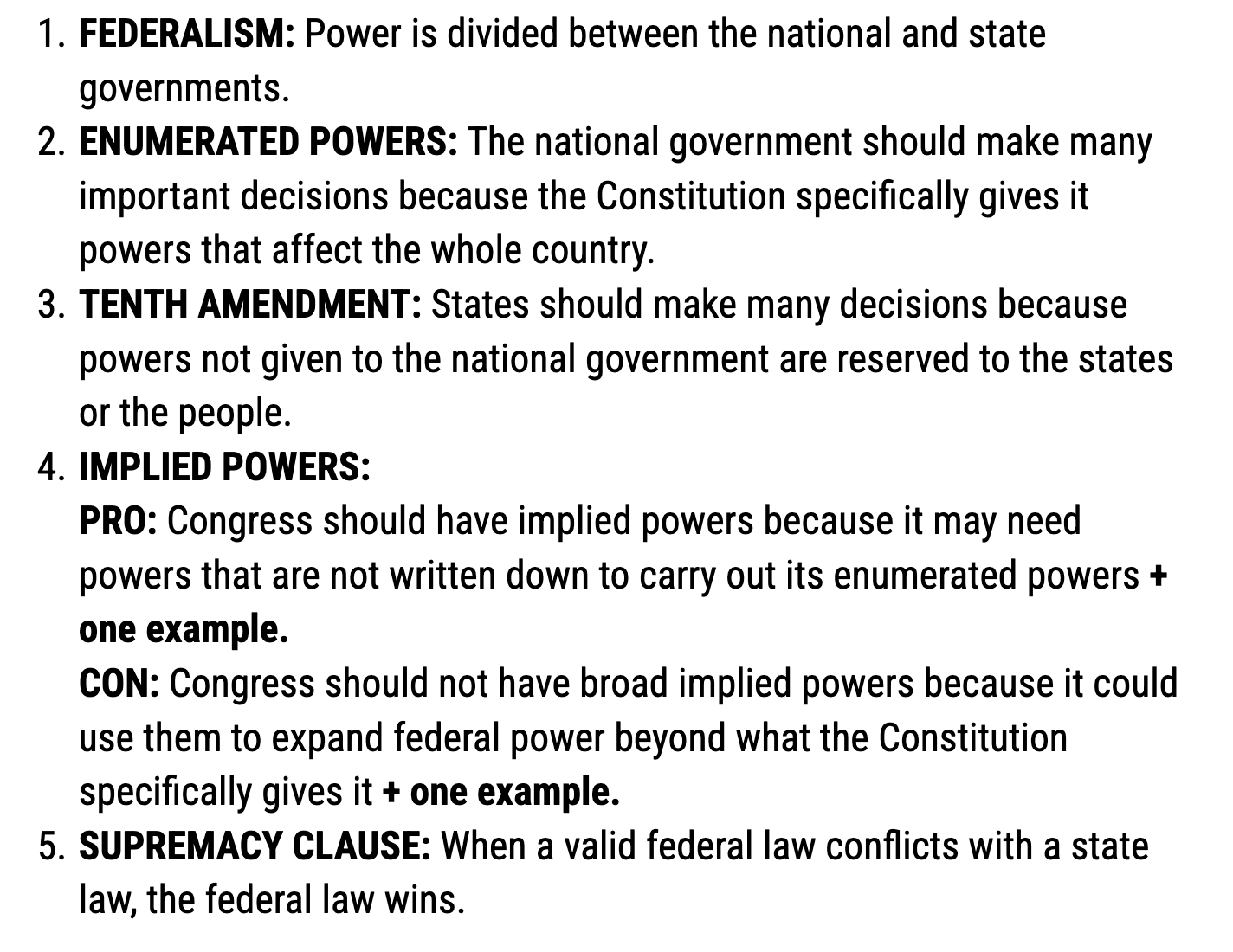
1. CHOOSE. Does the straw have one hole or two?
2. MOVE. Go to the side of the room that matches your choice: one hole or two holes.
3. THINK. Prepare one reason and one piece of evidence before the conversation begins.
ONE HOLE OR TWO HOLES
CONVERSATION MOVES
Choose the sentence frame that helps you enter the discussion.
ADD ON
“I agree with ___ because...”
CHALLENGE
“I see it differently because...”
ASK
“Can you explain what you mean by...?”
CONNECT
“That connects to what ___ said because...”
USE EVIDENCE
“The evidence that supports my claim is...”
RECONSIDER
“I used to think ___, but now I think ___ because...”
THE TURN
You just spent some time arguing over a straw.
What made it interesting was not that you disagreed. Both sides had reasons. The problem was deciding where one thing ends and another begins.
Keep that problem in mind.
IF A DOG WORE PANTS, WOULD HE WEAR THEM
LIKE THIS OR LIKE THIS?

MAKE YOUR CASE
2 MINUTES
Your claim: Left or right?
Your reasoning: Why is that the correct way?
Your evidence: What supports your argument?
Your question: What could you ask the other side?
PT. 1: Dividing Power
[ADD PORTRAIT IMAGE]
DIVIDE THE POWER
We already know one way the Constitution divides power. What is it?
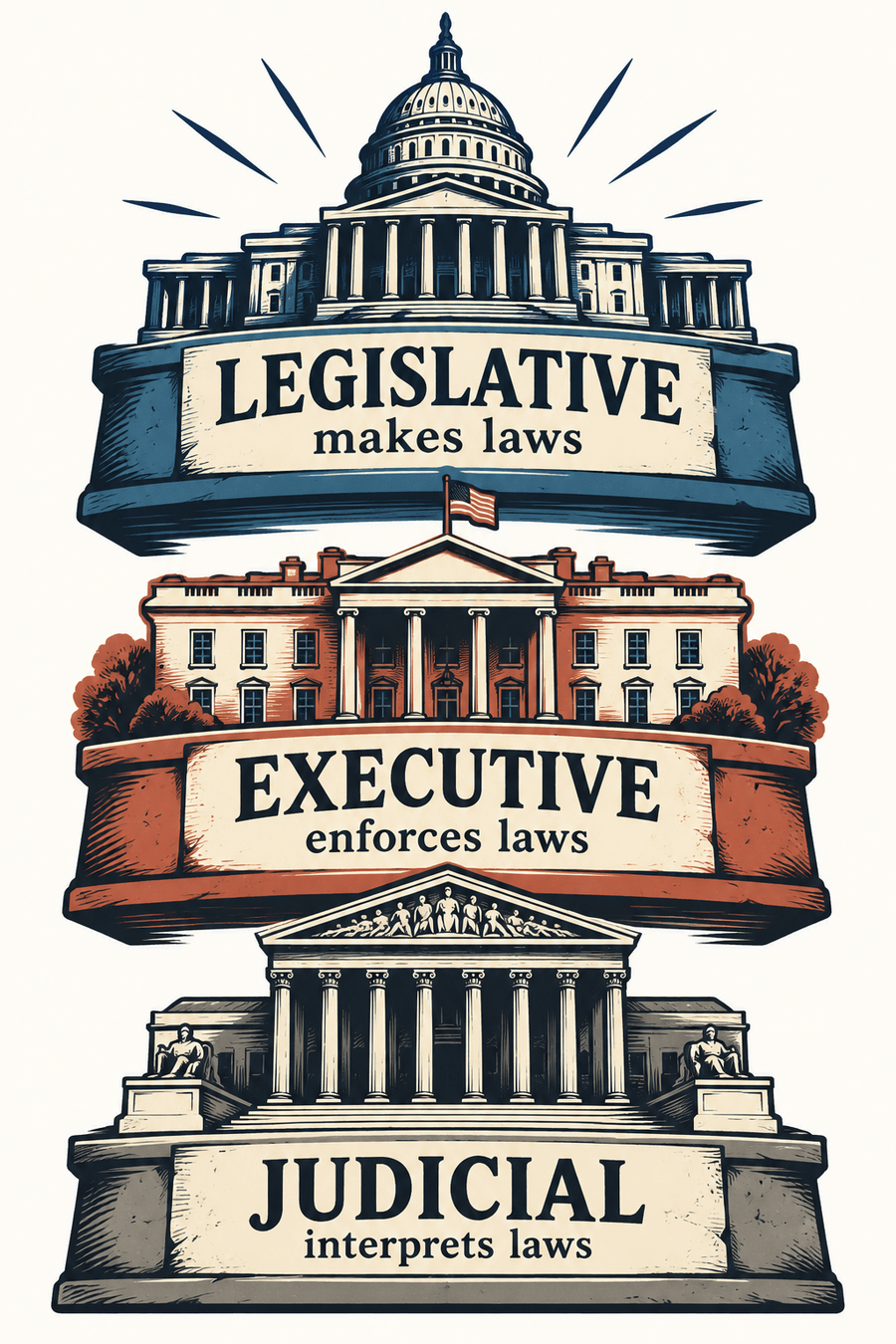
LEGISLATIVE → makes laws
EXECUTIVE → enforces laws
JUDICIAL → interprets laws
Three branches. Different powers.
But power in the United States is divided even further.
[ADD SQUARE IMAGE]
“DIVIDED BETWEEN THEM”
The dog debate had one problem. Where should the dividing line go? You already know the Constitution answers one version of that question by dividing power among the LEGISLATIVE, EXECUTIVE, and JUDICIAL BRANCHES.
But the Framers divided power in another direction too.
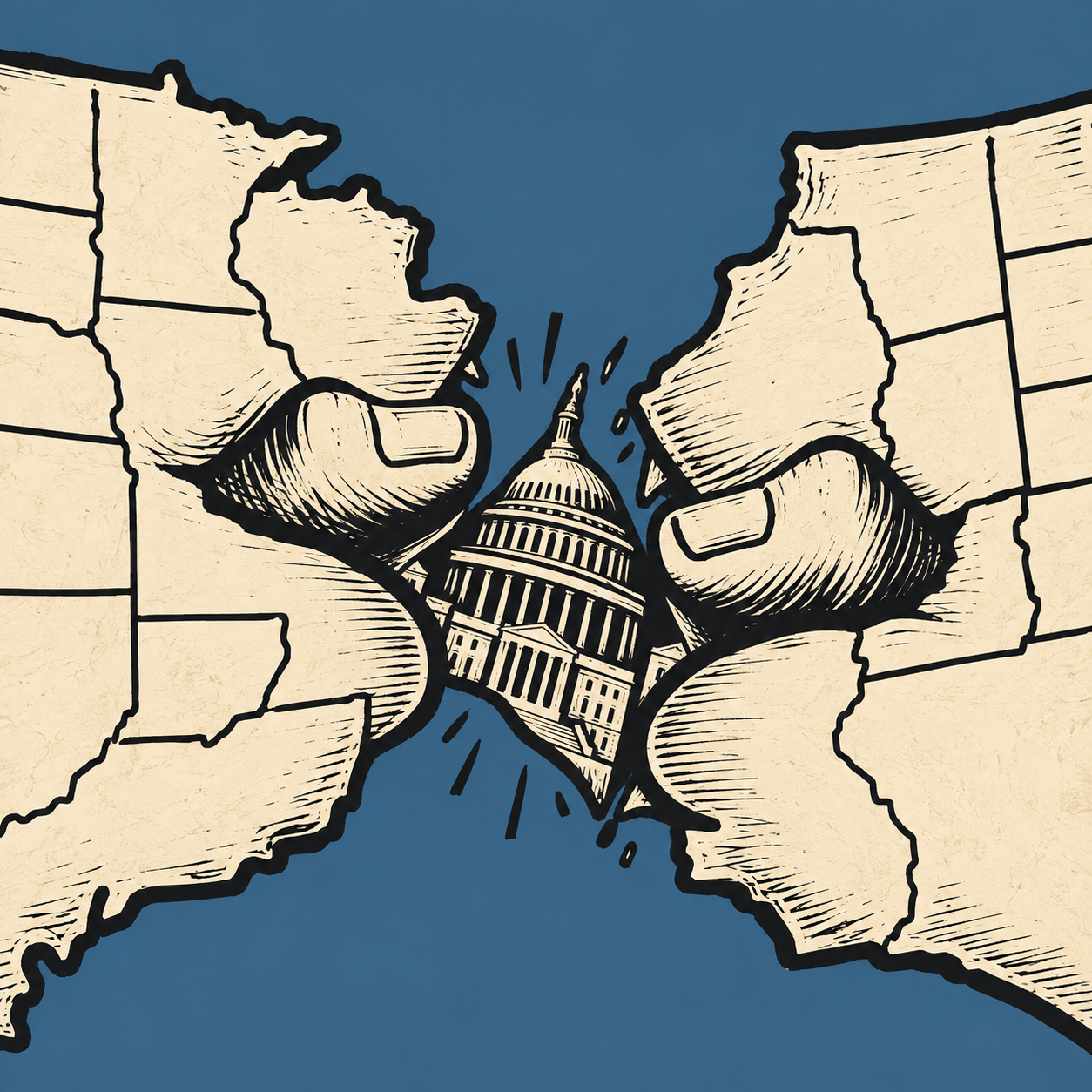
FEDERALISM divides government power between the NATIONAL GOVERNMENT and STATE GOVERNMENTS. Both govern the same people, but each has powers of its own.
The national government is commonly called the FEDERAL GOVERNMENT. Federalism is the system, not the federal government.
EQ: What is federalism, and how is government power divided?
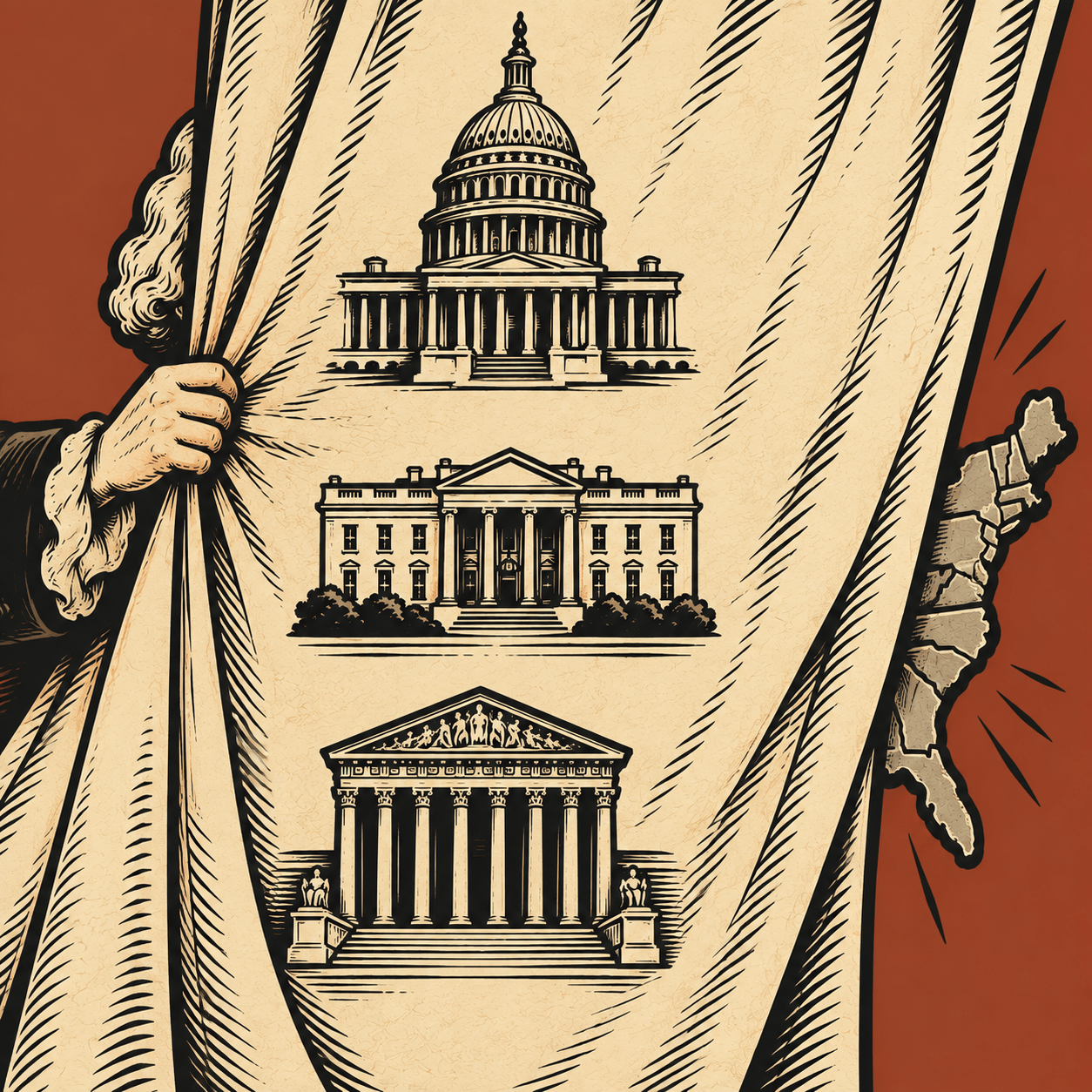
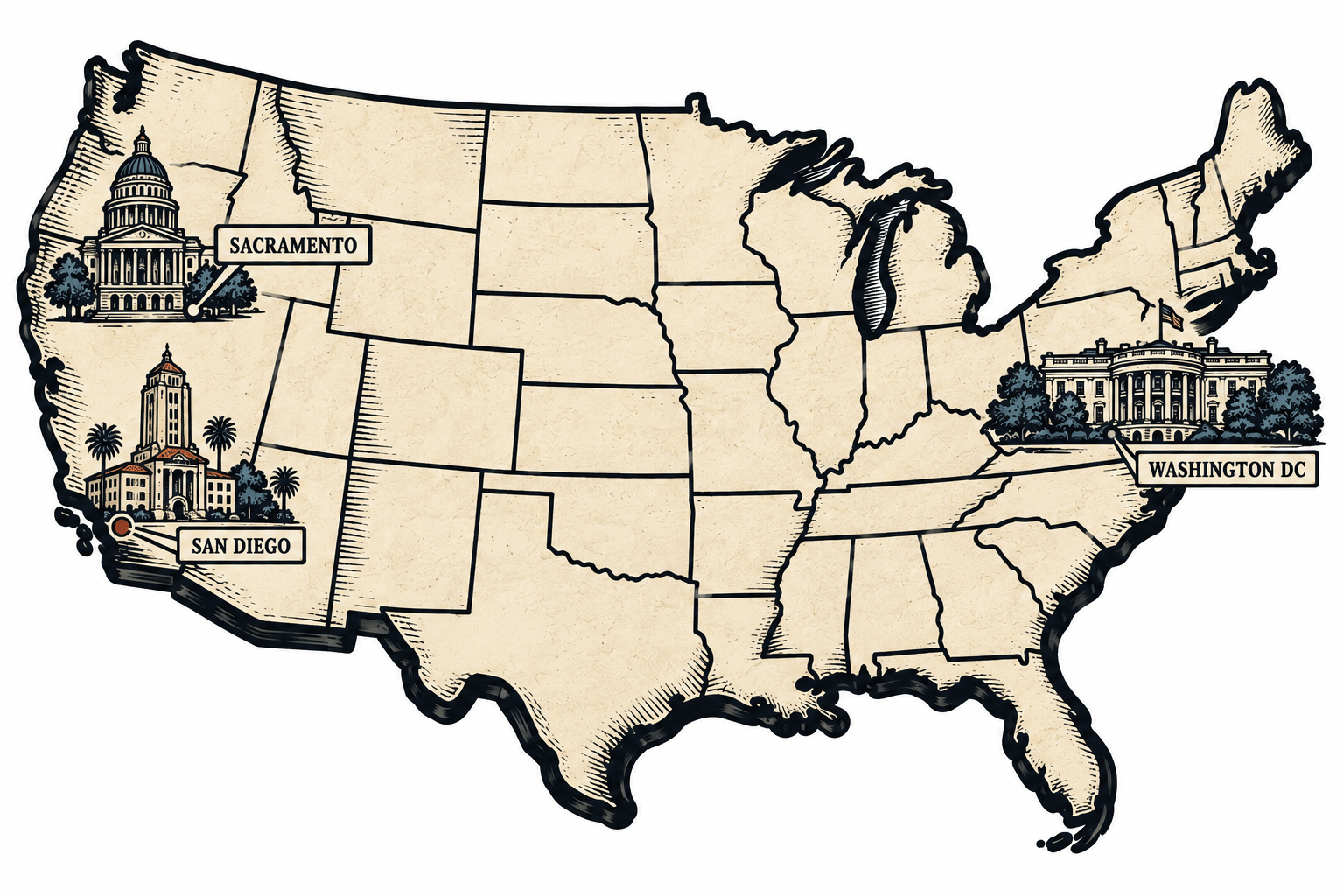
TPS: Which of these governments has authority over you right now?
“THE REAL CHARACTER”
Living under multiple governments feels ordinary to us. Decisions made in Washington and Sacramento can both reach you in San Diego. That system already existed on the map you just saw.
In 1787, however, nothing about it was obvious. The Constitution proposed a stronger NATIONAL GOVERNMENT while allowing states to keep real power of their own.
In FEDERALIST NO. 39, James Madison examined the “real character of the government.” He asked where its power came from, how it was divided, and what role the states would have.
What exactly had they created?
[ADD SQUARE IMAGE]
EQ: What is federalism, and how is government power divided?
[ADD SQUARE IMAGE]
“PARTLY FEDERAL, PARTLY NATIONAL”
Madison looked across the Constitution for a simple pattern. He did not find one.
Some parts looked NATIONAL, allowing the government to act directly on the American people. Other parts looked FEDERAL, preserving the states as governments with authority of their own.
Even Congress mixed the two. The House represented people by population, while the Senate gave every state equal representation.
Madison kept finding the same pattern. National and state power were not placed into two perfectly separate systems.
So what would this kind of FEDERALISM actually look like?
EQ: What is federalism, and how is government power divided?
“THE EXTENT OF ITS POWERS”
So how does the Constitution actually divide power?
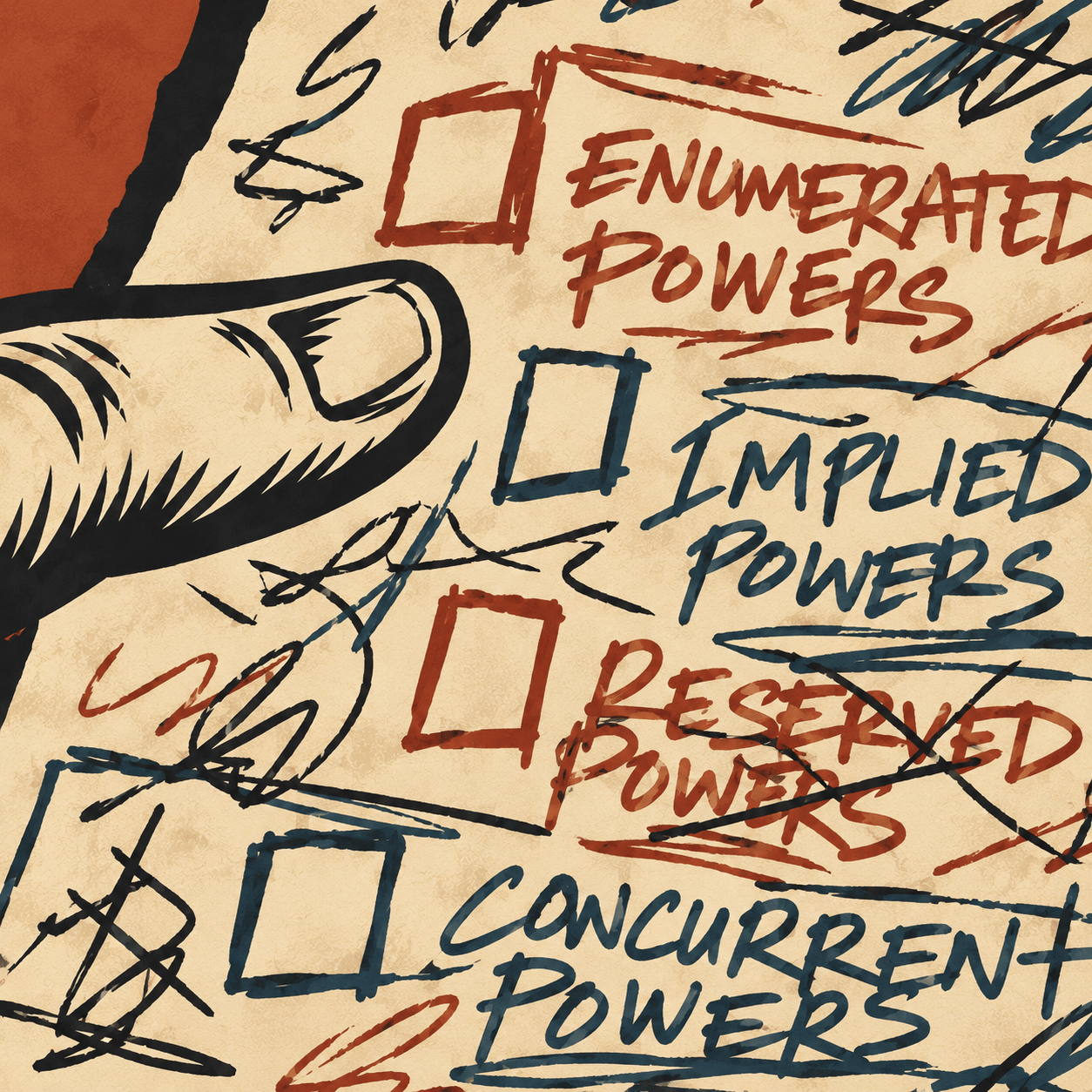
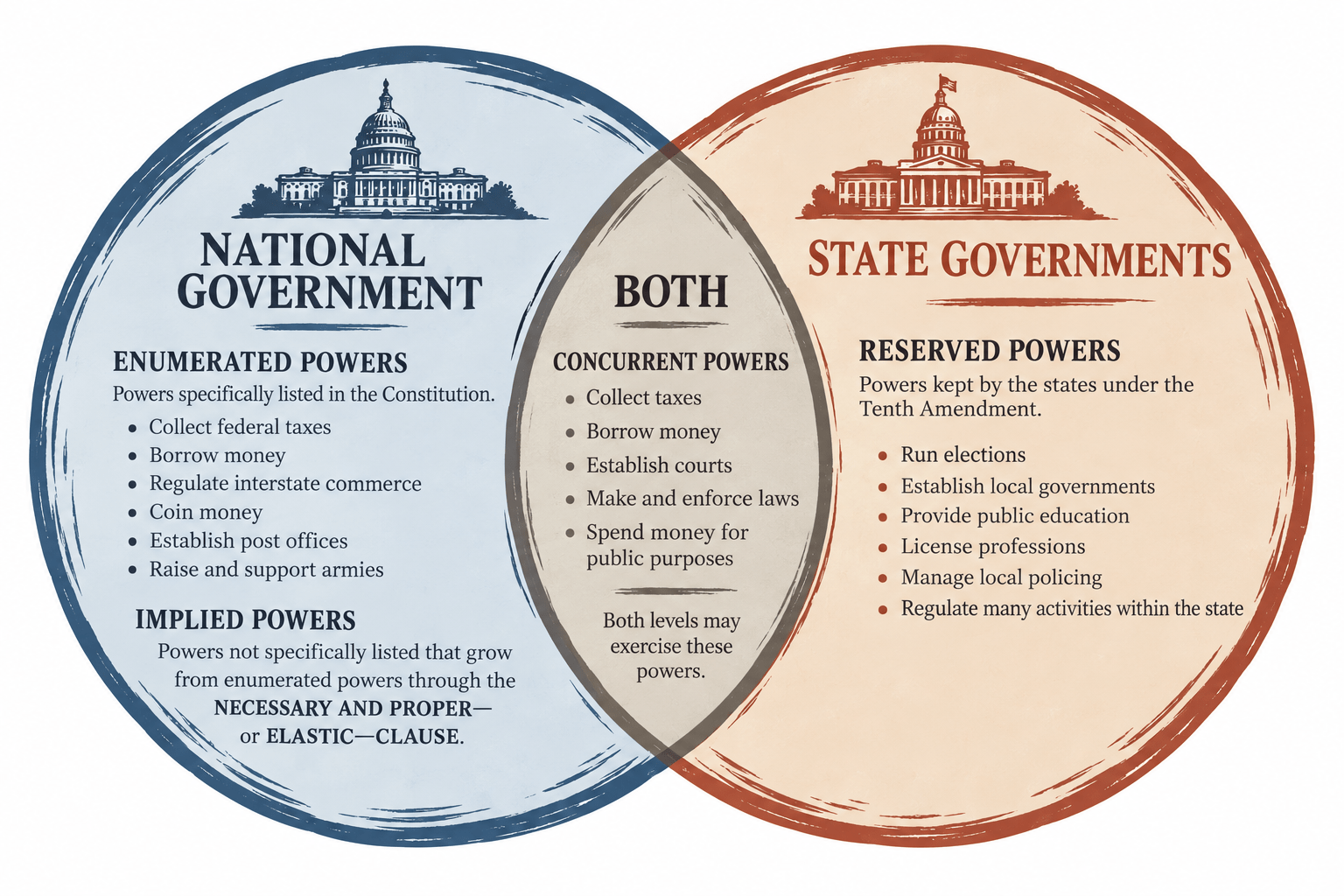
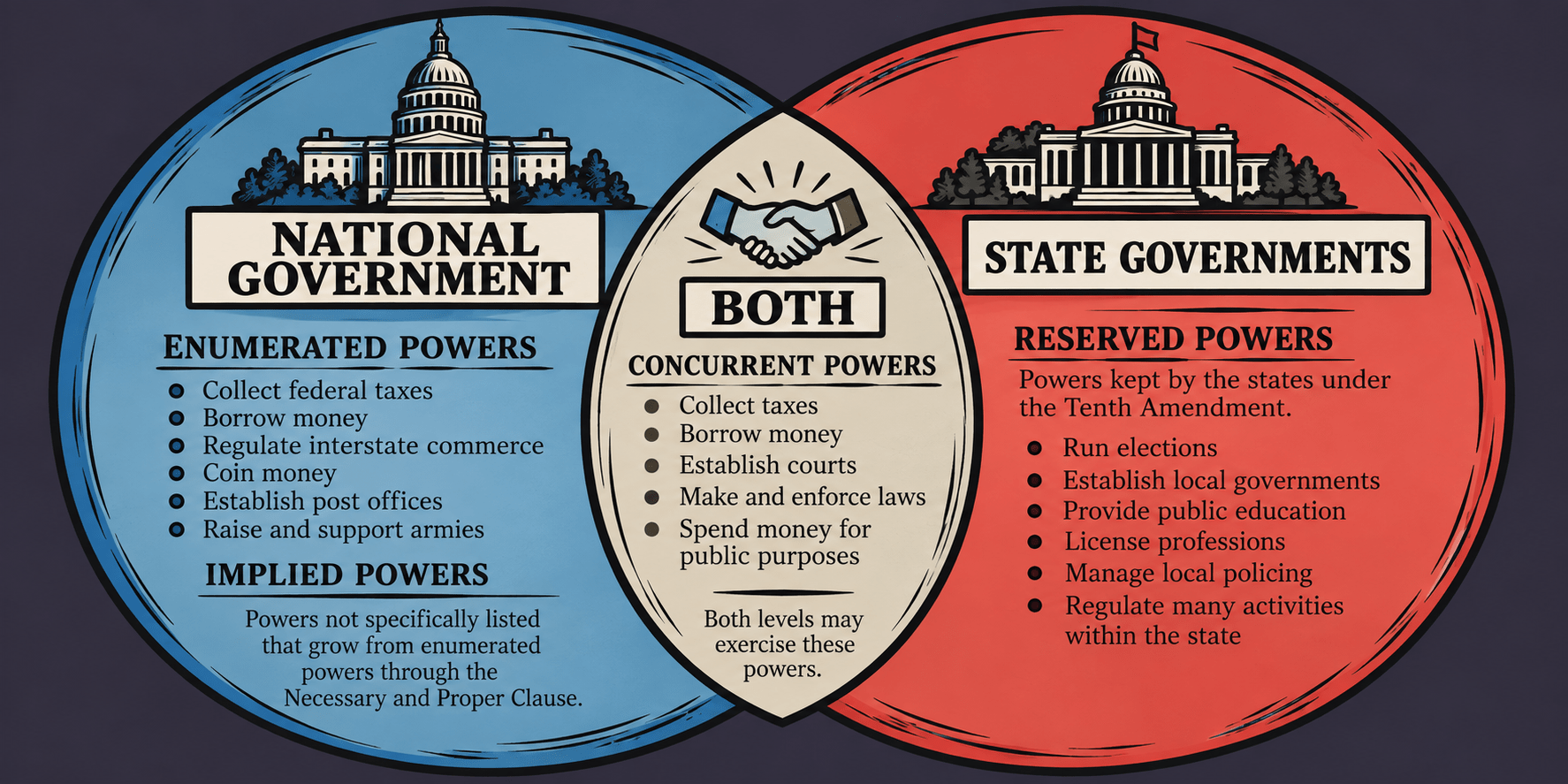
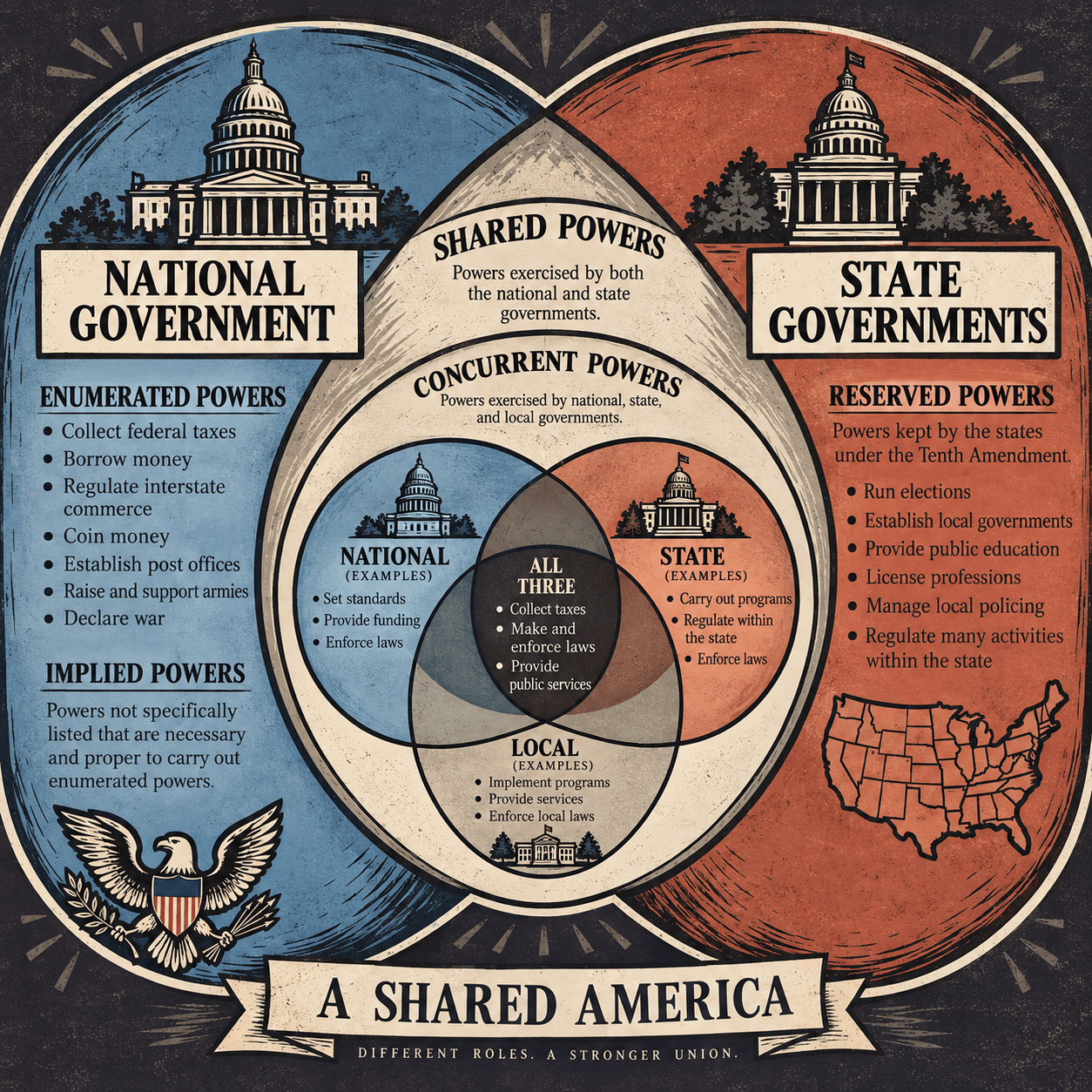
Some powers belong to the national government. ENUMERATED POWERS are specifically granted to it, while IMPLIED POWERS are not directly listed but allow it to carry out those responsibilities.
Other powers remain with the states. These are RESERVED POWERS.
But the division is not always exclusive. CONCURRENT POWERS can be exercised by both national and state governments.
The result is not one clean dividing line. There is national power, state power, and shared power.
[ADD SQUARE IMAGE]
EQ: What is federalism, and how is government power divided?
[ADD SQUARE IMAGE]
"Necessary and proper"
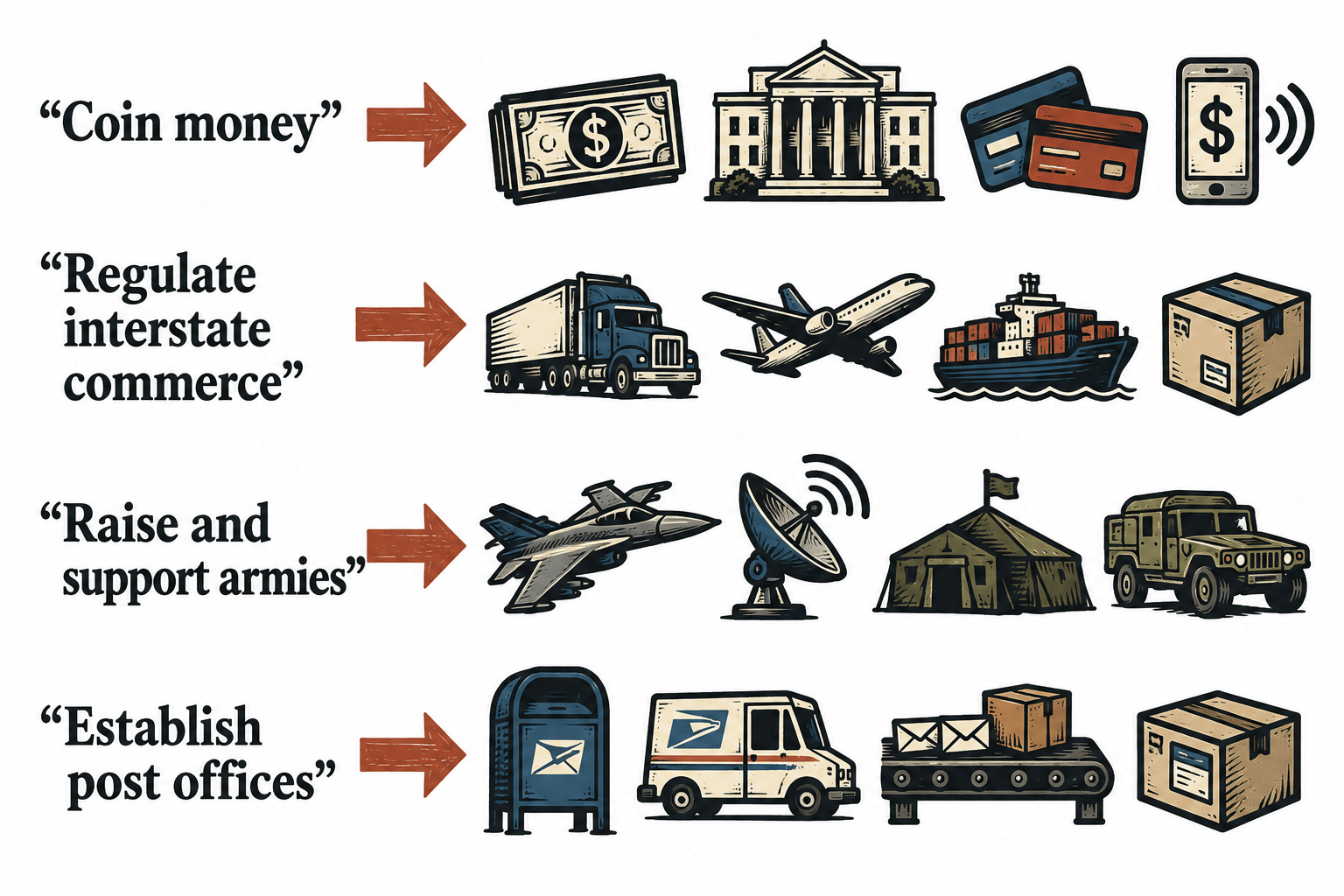
The Constitution gives Congress ENUMERATED POWERS, such as collecting taxes, borrowing money, and regulating interstate commerce. But the Framers knew they could not predict every action a future government might need to take.
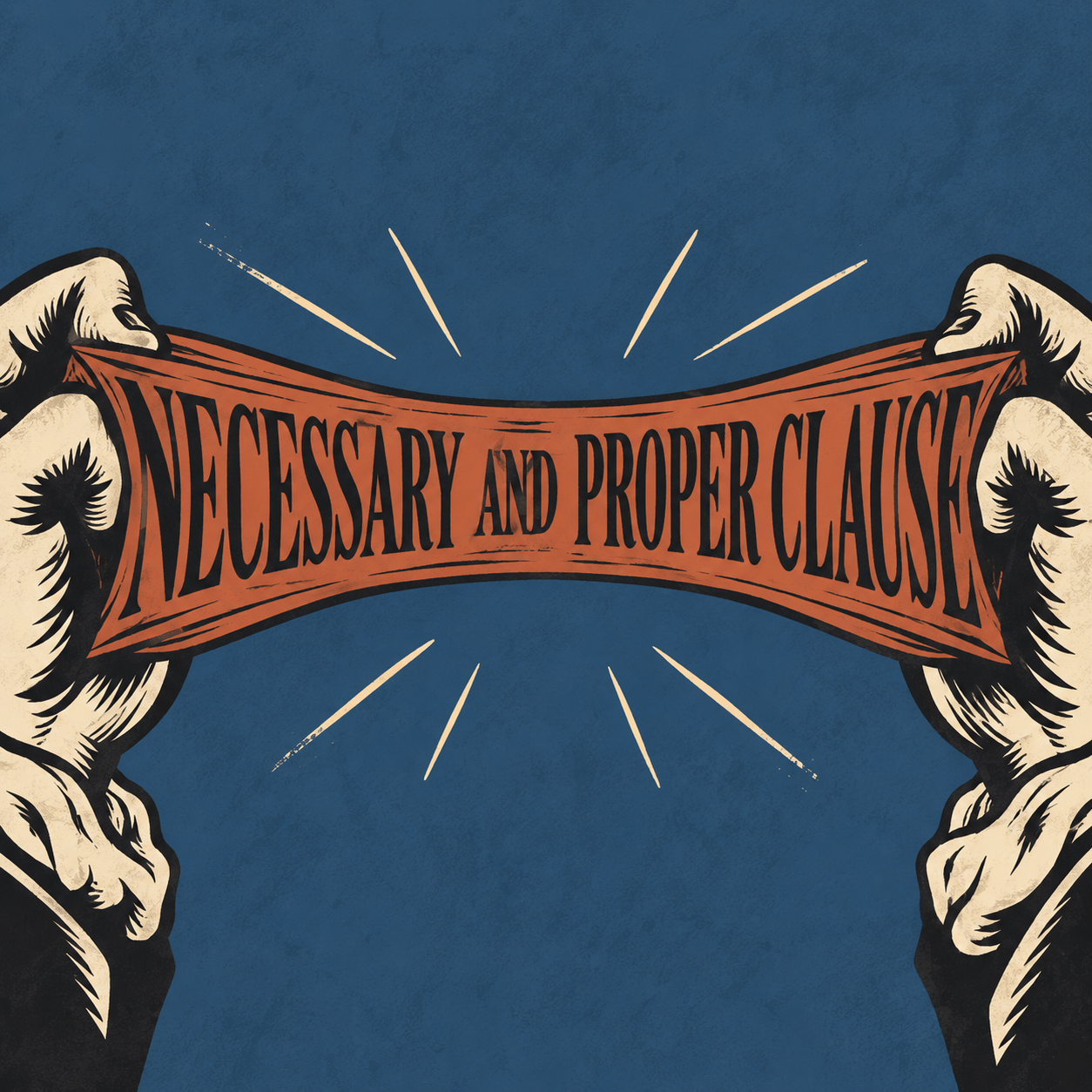
So Article I includes the NECESSARY AND PROPER CLAUSE, often called the ELASTIC CLAUSE. Congress may pass laws needed to carry its listed powers into action.
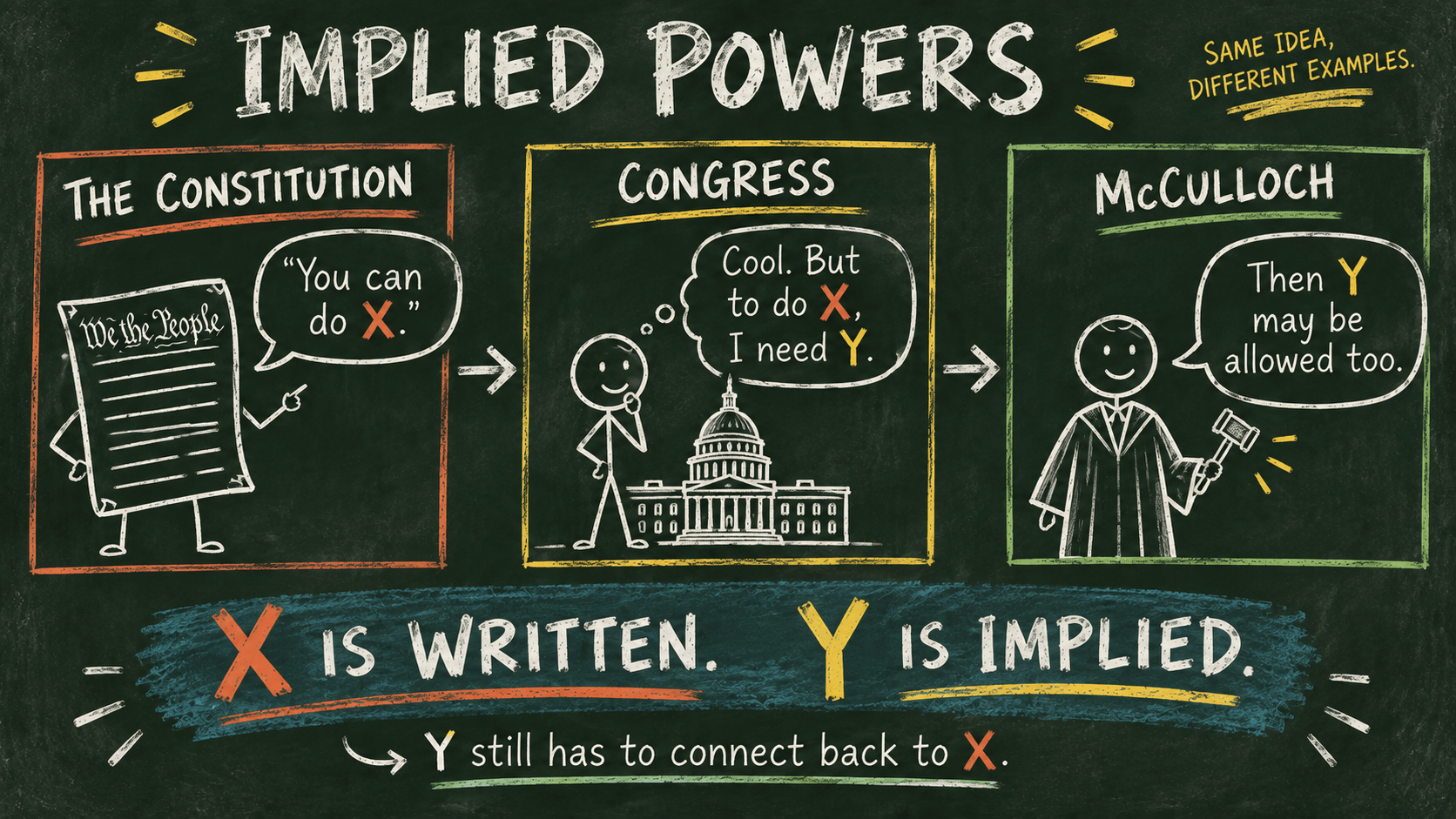
This creates IMPLIED POWERS. They are not written as a separate list. Instead, they grow out of powers the Constitution already gives Congress.
That flexibility creates a problem: how far can an implied power stretch?
EQ: What is federalism, and how is government power divided?
“RESERVED TO THE STATES”
If the NECESSARY AND PROPER CLAUSE allows national power to stretch beyond what is explicitly listed, what keeps that power from stretching forever?
The TENTH AMENDMENT points in the other direction. Powers the Constitution does not give to the NATIONAL GOVERNMENT, and does not prohibit to the states, remain with the states or the people.
These RESERVED POWERS include areas such as running elections, establishing local governments, and regulating many matters within a state.
The amendment protects real state authority, but it does not draw a precise boundary around it.
[ADD SQUARE IMAGE]
EQ: What is federalism, and how is government power divided?
[ADD SQUARE IMAGE]
“SUPREME LAW OF THE LAND”
What happens when the dividing lines overlap and national and state laws conflict?
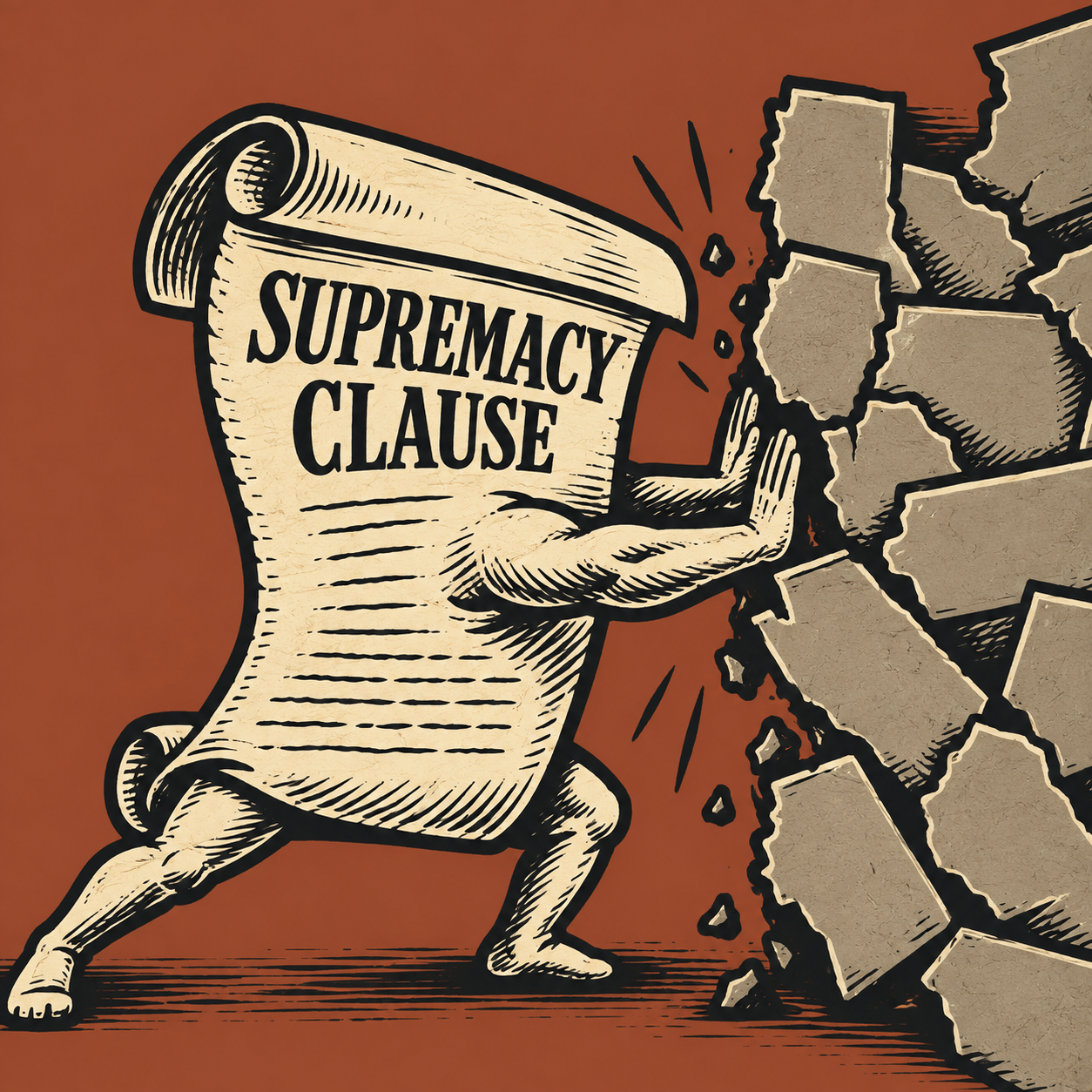
The SUPREMACY CLAUSE provides a rule. The Constitution and valid federal laws are the “supreme Law of the Land.” When a valid federal law conflicts with a state law, federal law takes precedence.
This does not give the NATIONAL GOVERNMENT unlimited power. Federal law is supreme only when the national government is acting within its constitutional authority.
That leaves federalism with a difficult question: who decides when the national government has crossed the line?
EQ: What is federalism, and how is government power divided?
HOLD THAT THOUGHT
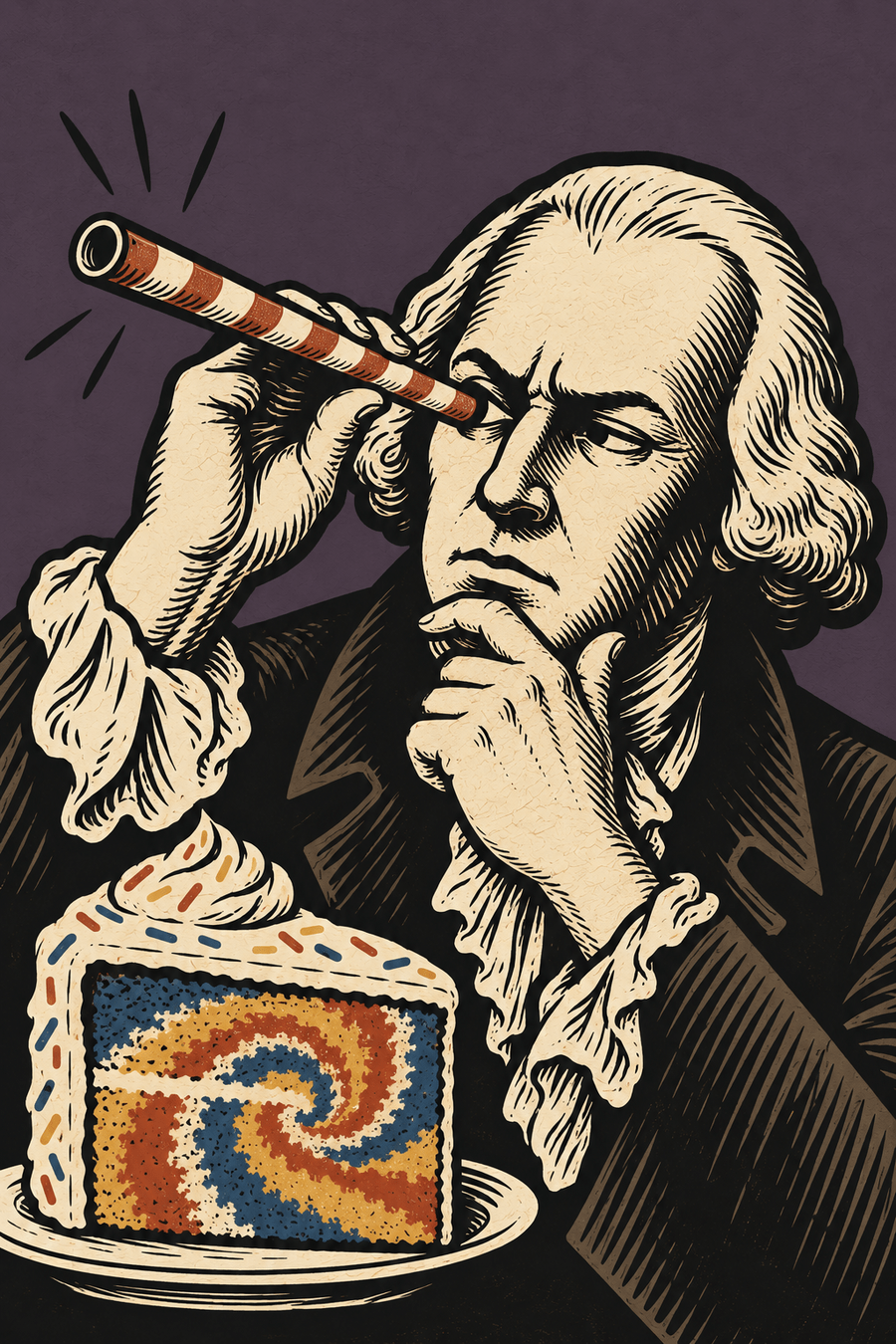
The straw has...some number of holes.
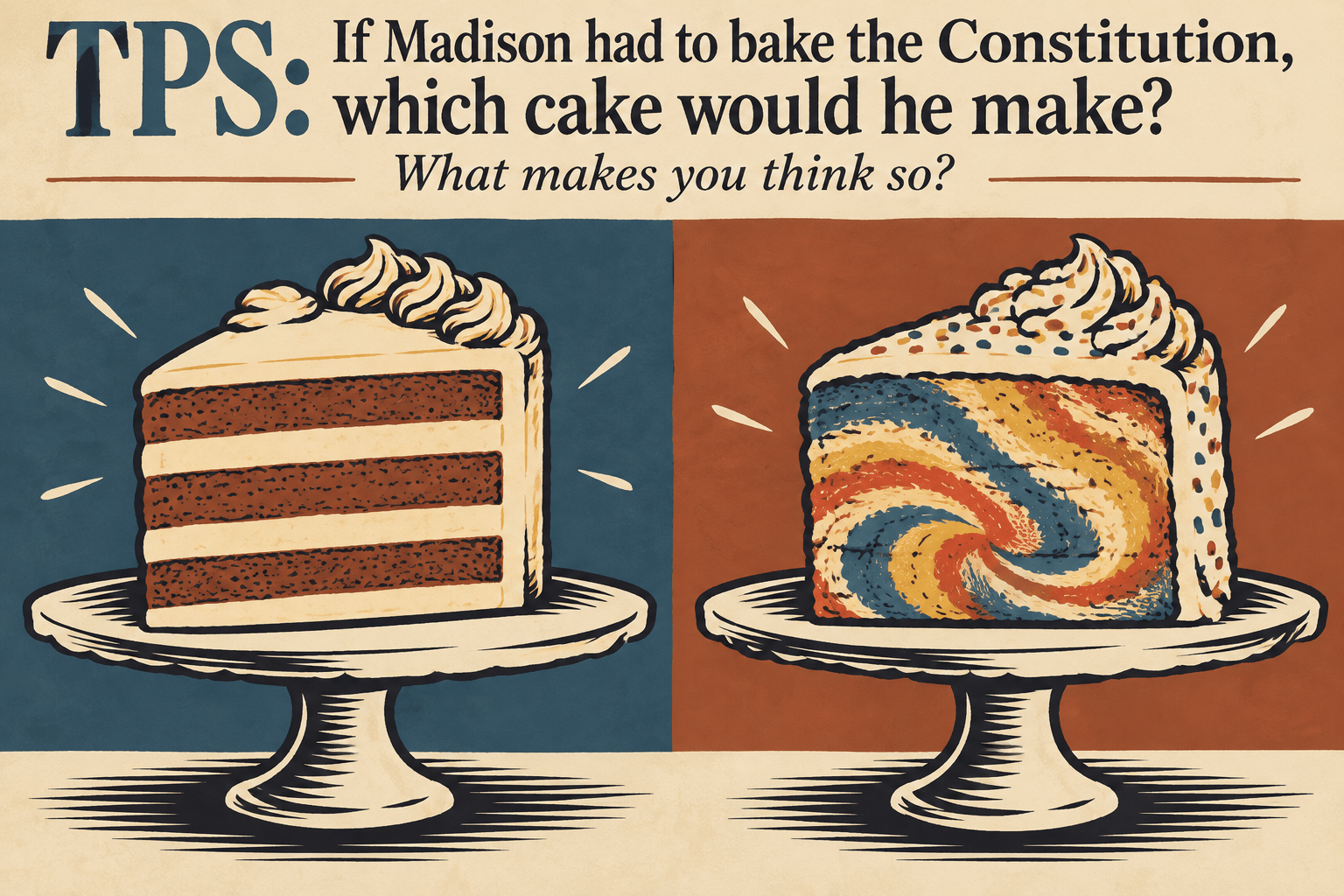
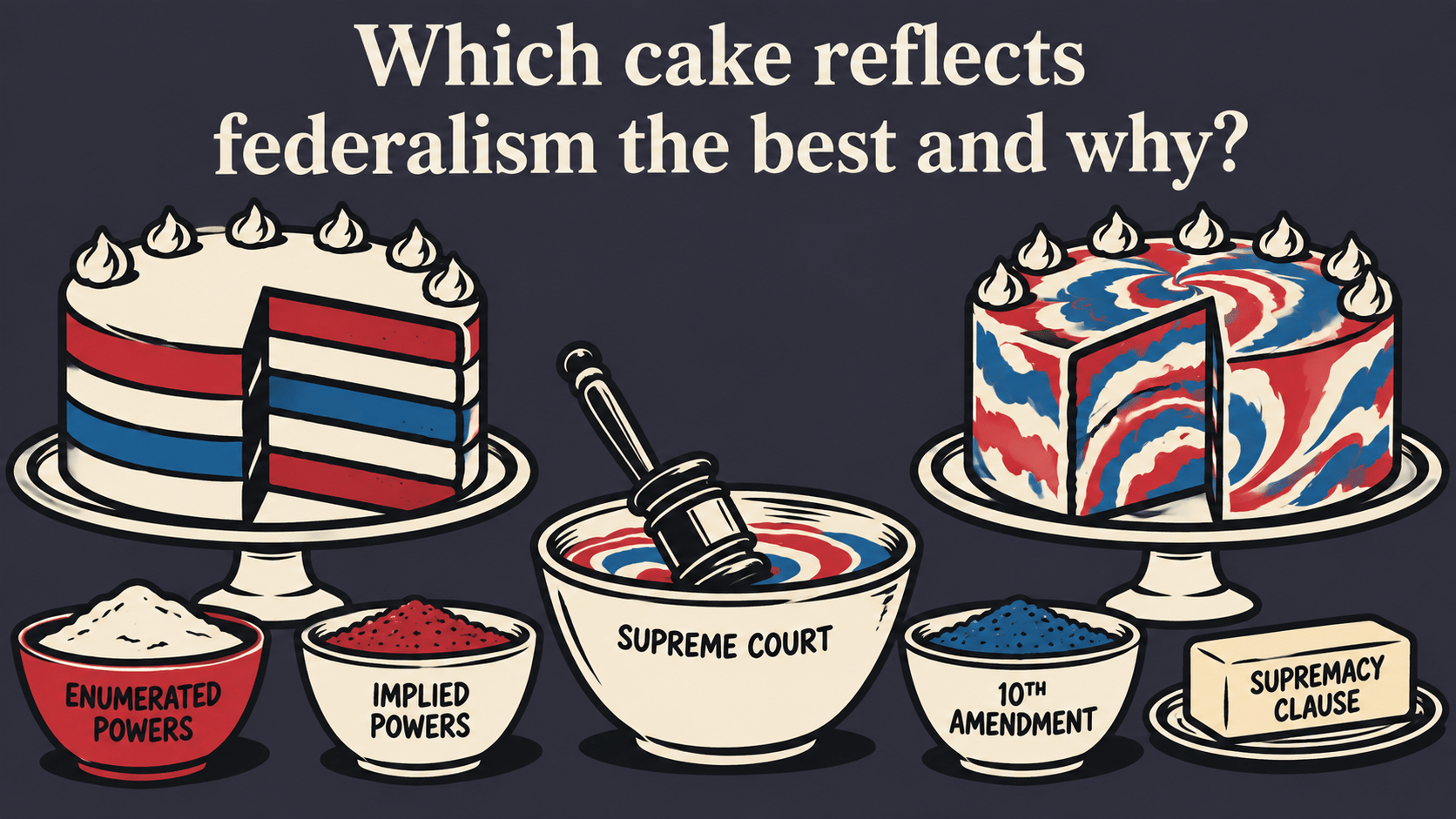
Madison has cake.
America has two levels of government.
You now know the Constitution divides power, allows some of it to overlap, and gives both national and state governments real authority.
But we still have the problem we started with.
What happens when people disagree about where the line should be?
PT. 2: testing the line
You’re playing UNO®. You have one card left. You’ve called “UNO.” You’re waiting for your turn to come back around.
Two players down, someone drops a Wild Draw Four. The next player immediately slaps down another.
Now the table looks at you. “Draw eight, loser.”
You argue they cannot stack those cards. That’s not how UNO works.
They disagree. At their house, they’ve always played that way.
TPS: Who’s right? More importantly, what should settle the argument?

[ADD SQUARE IMAGE]
"SAy WHat the Law Is"
Your UNO® argument can be settled by checking the official rules. Constitutional disagreements are harder. The Constitution contains the rules, but people can still disagree about what those rules allow and how far government authority reaches.
That matters in the federal system you just reviewed. NATIONAL and STATE GOVERNMENTS can each believe the Constitution supports their side.
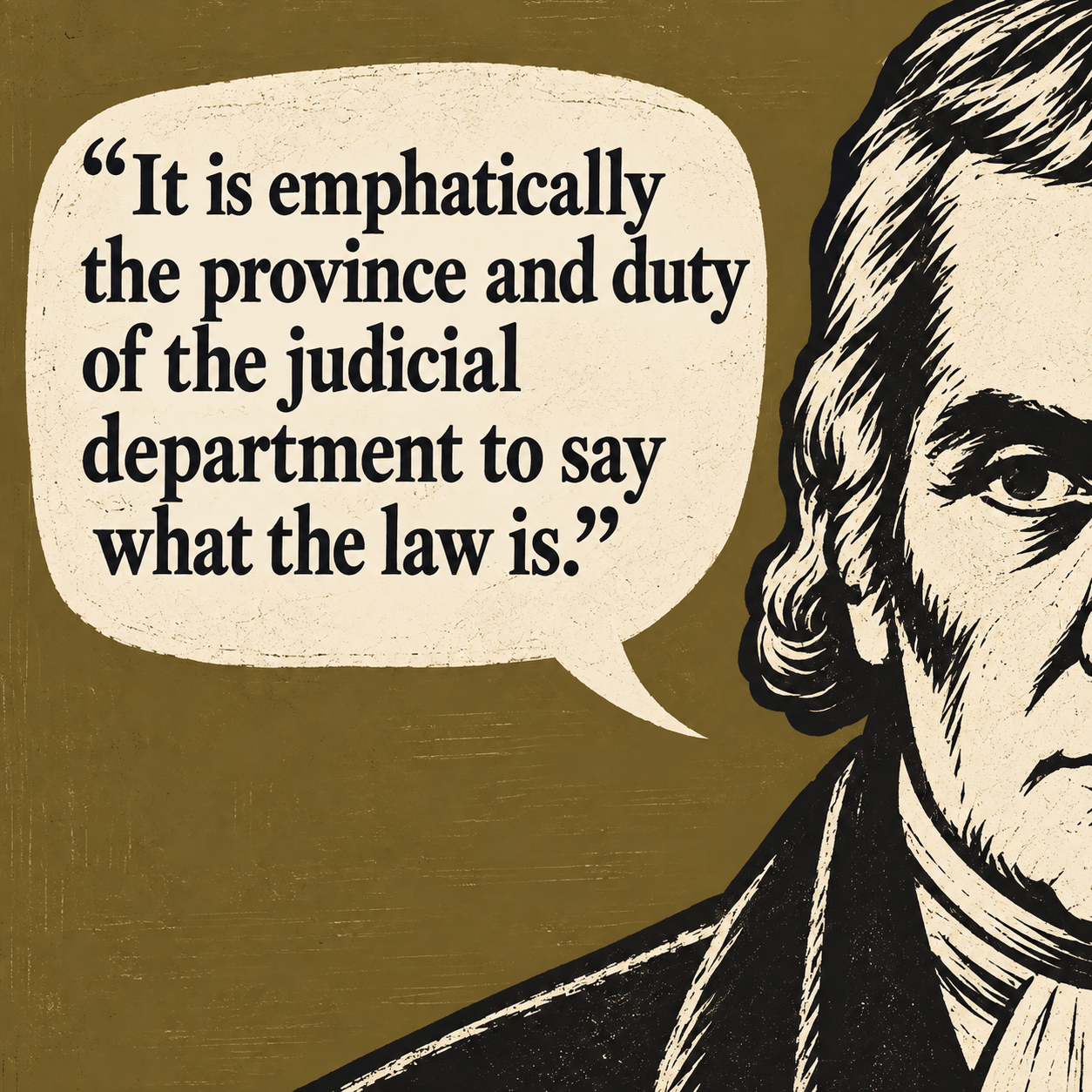
When those disagreements become legal cases, the SUPREME COURT interprets the Constitution.
Chief Justice John Marshall described that responsibility as “to say what the law is.”
EQ: What is federalism, and how is government power divided?
“THE GREAT OPERATIONS”
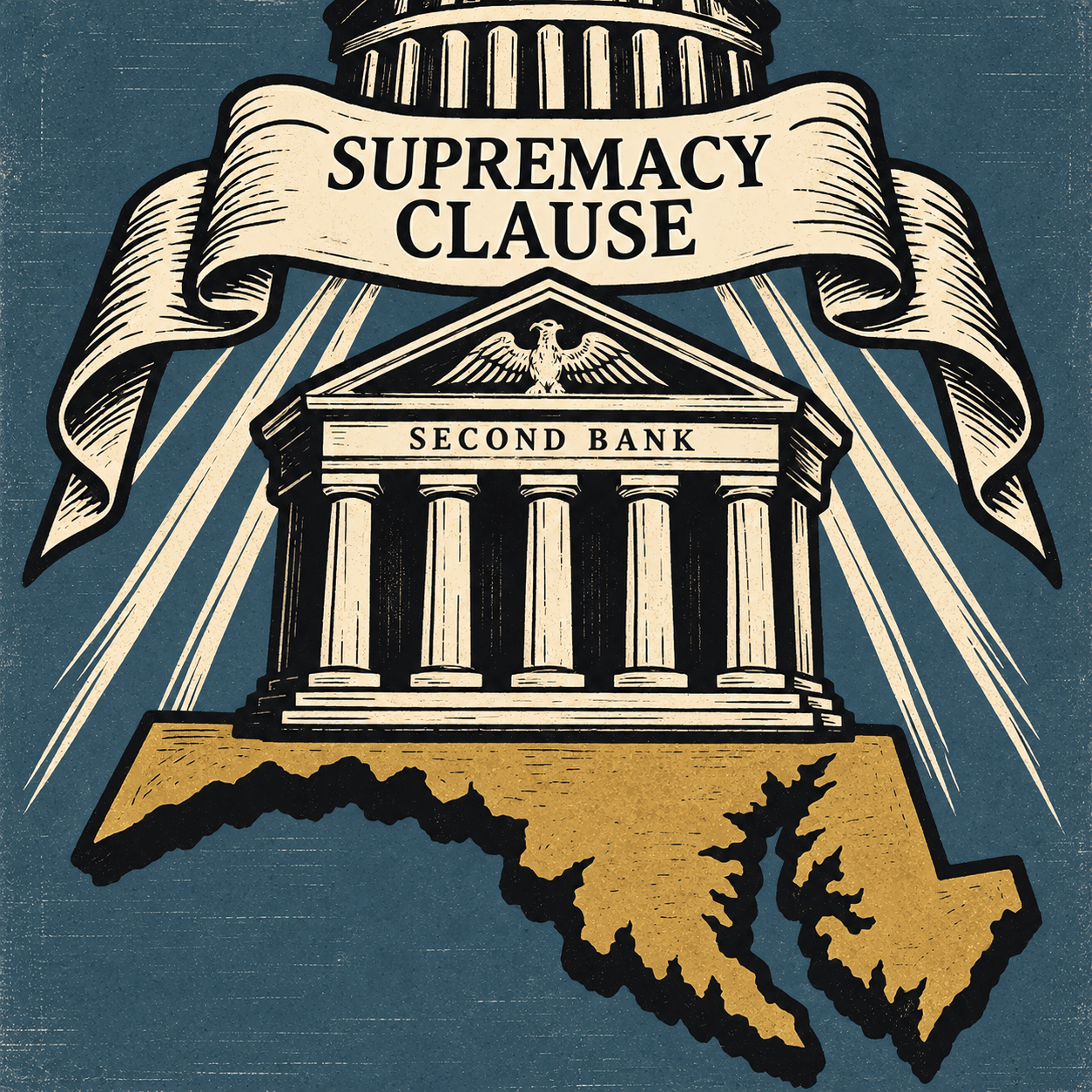
The young United States had a money problem. Congress created the Second Bank of the United States in 1816 to help manage federal finances and create a more stable national financial system.
But the Constitution never explicitly gave Congress the power to create a national bank. That raised a federalism question. Was the bank a legitimate IMPLIED POWER, or had Congress reached beyond its constitutional authority?
Maryland complicated the dispute further. The state imposed a tax on the national bank operating within its borders.
Now both governments claimed legitimate power.
[ADD SQUARE IMAGE]
EQ: What is federalism, and how is government power divided?

[ADD SQUARE IMAGE]
“LET THE END BE LEGITIMATE”
The SUPREME COURT sided with McCulloch. Congress had the constitutional authority to create the national bank even though that power was not explicitly listed.
Chief Justice John Marshall reasoned that the NECESSARY AND PROPER CLAUSE gave Congress IMPLIED POWERS to choose appropriate ways to carry out its ENUMERATED POWERS. The bank was one of those means.
Maryland also lost its argument. The state could not tax the federal bank because the SUPREMACY CLAUSE prevented a state from interfering with a legitimate action of the national government.
McCulloch strengthened national power.
EQ: What is federalism, and how is government power divided?
HOW FAR DOES THIS POWER REACH?
ENUMERATED POWER
“To raise and support Armies”
“To provide and maintain a Navy”
IMPLIED USE
SPACE FORCE +
PROPOSED “AI FORCE”
Congress created and funds the SPACE FORCE. President Trump has proposed an “AI FORCE.” Can Congress create and fund military forces the Constitution does not name?
Did the Framers intend this power to reach that far, or is Congress “doing too much”?
HOW FAR DOES THIS POWER REACH?
ENUMERATED POWER
“To establish Post Offices and post Roads”
IMPLIED USE
EMINENT DOMAIN
Congress can acquire private land needed for a federal post office, paying the owner just compensation. Can the government take someone’s land for the project as long as the owner is paid?
Did the Framers intend this power to reach that far, or is Congress “doing too much”?
HOW FAR DOES THIS POWER REACH?
ENUMERATED POWER
“To regulate Commerce... among the several States”
FEDERAL ACTION
GUN-FREE SCHOOL
ZONES ACT
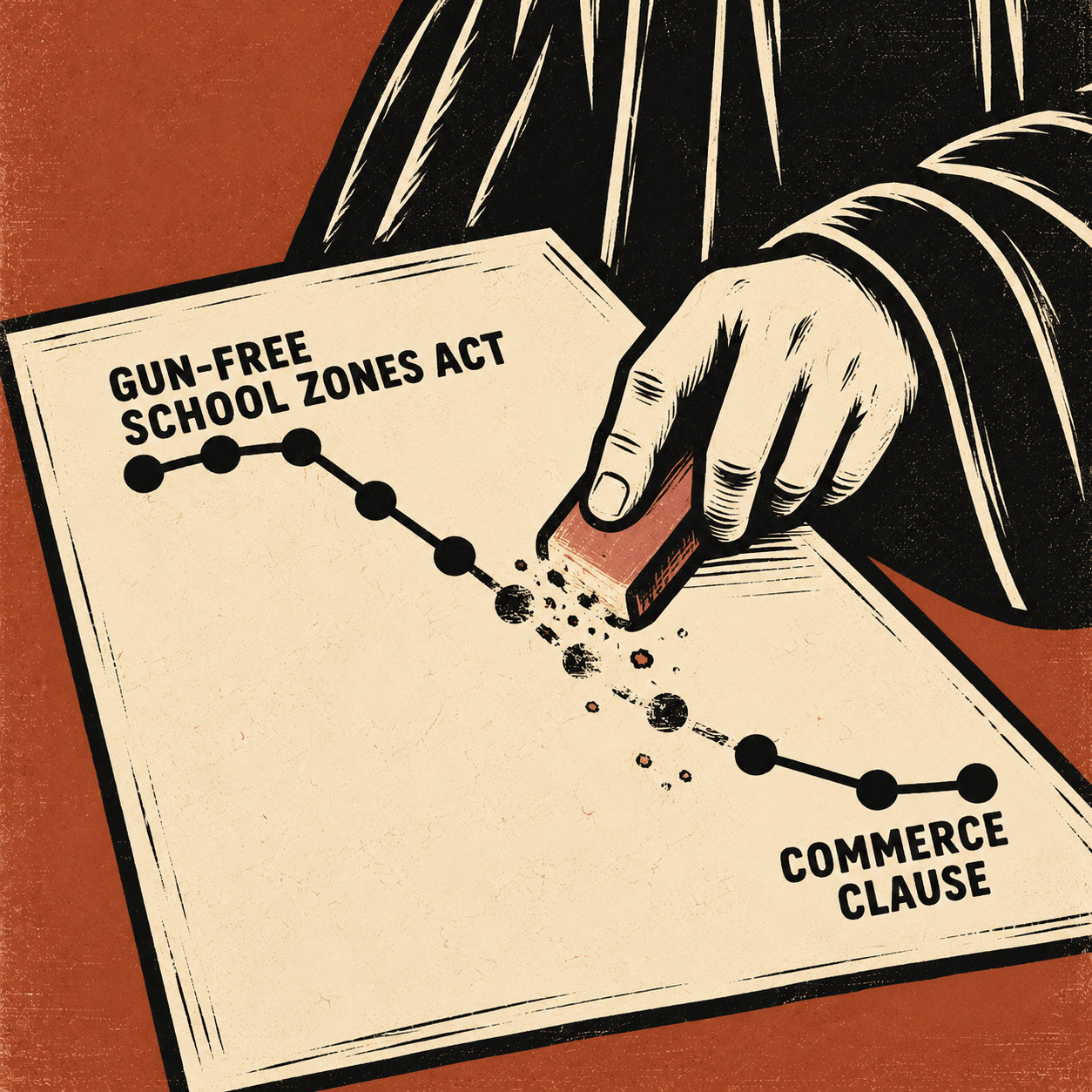
Congress argued that guns near schools disrupt education. That can make future workers less productive and affect the national economy. Is that enough to connect GUNS AT SCHOOL to COMMERCE BETWEEN THE STATES?
Did the Framers intend this power to reach that far, or is Congress “doing too much”?
“Represents a SHARP BREAK”
In 1992, that question landed in an actual high school. Alfonso Lopez, a 12th-grade student in San Antonio, Texas, arrived at school carrying a concealed handgun and ammunition. School officials confronted him, and he was arrested.
Normally, carrying a gun at school sounded like a state or local matter. But Lopez was eventually charged under the federal Gun-Free School Zones Act.
That changed the question. This was no longer just about a gun at school.
It became a fight over how far Congress’s COMMERCE POWER could reach.
[ADD SQUARE IMAGE]
EQ: What is federalism, and how is government power divided?

[ADD SQUARE IMAGE]
“Inference upon inference”
The SUPREME COURT ruled 5–4 for Lopez. Congress had gone beyond its authority under the COMMERCE CLAUSE.
Congress could regulate economic activity that substantially affected interstate commerce. But possessing a gun near a local school was not itself economic activity, and the law lacked a sufficient connection to interstate commerce.
The Court refused to “pile inference upon inference” to create that connection.
Unlike McCulloch, Lopez pulled back on the reach of NATIONAL GOVERNMENT power, reinforcing that Congress’s constitutional authority had limits.
EQ: What is federalism, and how is government power divided?
THE FEDERALISM BOUNDARY
EXPANDS NATIONAL POWER
McCulloch v. Maryland
showed that national power can extend beyond the Constitution’s exact words through IMPLIED POWERS.
LIMITS NATIONAL POWER
UNITED STATES V. LOPEZ
showed that this power is not unlimited. Congress must still connect its actions to authority granted by the Constitution.
FEDERALISM
Together, the cases reveal something important about FEDERALISM: the boundary between national and state power is not permanently drawn.
The Constitution creates the boundary. The SUPREME COURT interprets where that boundary lies.
PT. 3: Power with strings
HAVE YOU HEARD OF THESE?
MEDI-CAL
Health coverage
Doctor visits • hospital care • prescriptions
CALFRESH / SNAP
Food assistance
Money for groceries on an EBT card
NATIONAL SCHOOL
LUNCH PROGRAM
School meals
Free or reduced-price lunches for eligible students
CALWORKS
Cash assistance
for families
Money to help cover basic needs
QUICK SHOW OF HANDS: How many of these have you heard of or seen before?
[ADD SQUARE IMAGE]
"Aid to the states"
These programs may look like state or local programs, but none operates with state and local money alone.
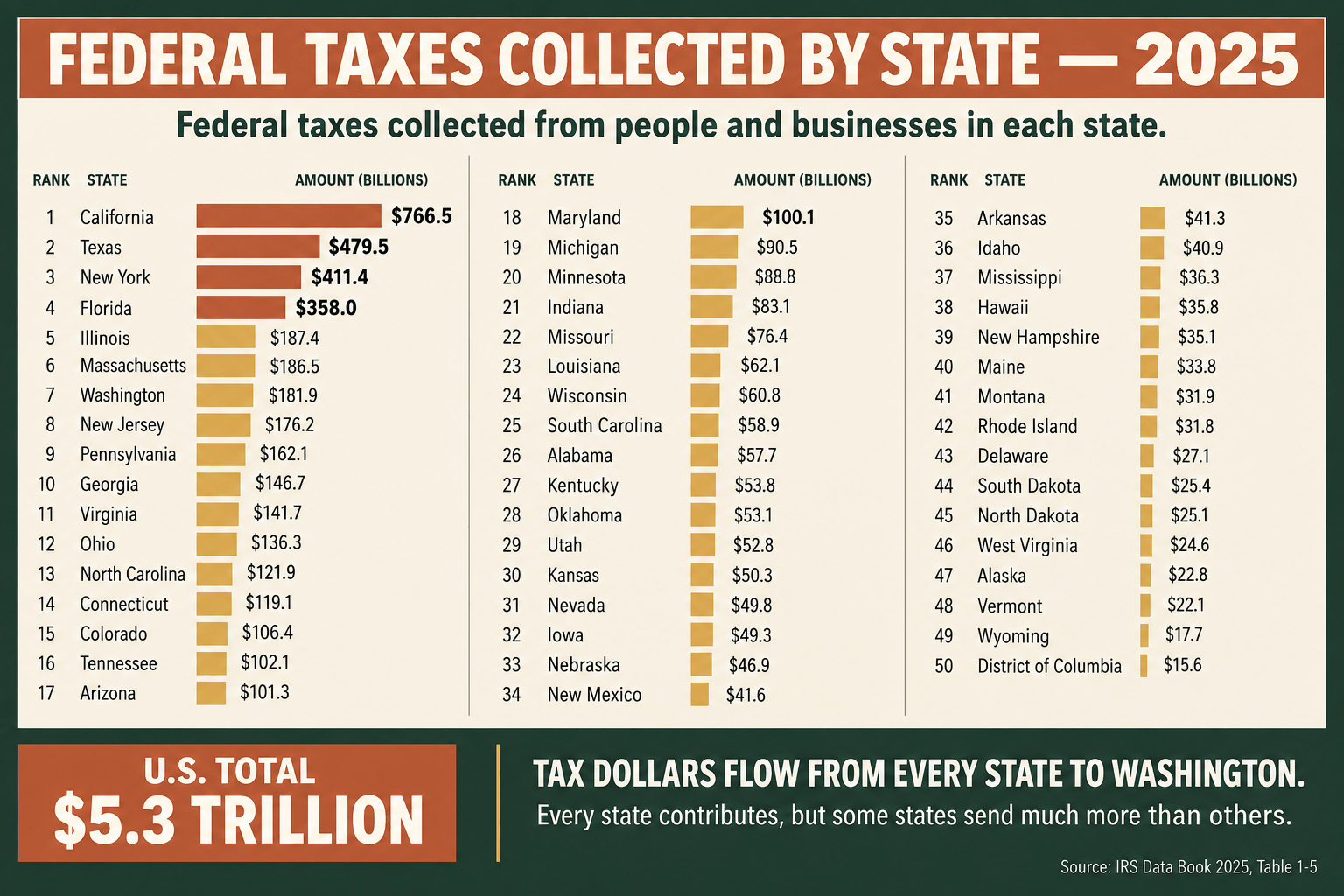
The NATIONAL GOVERNMENT sends money to states and local governments through GRANTS-IN-AID. That federal money helps pay for programs such as health care, food assistance, school meals, transportation, and more.
Here is where federalism gets interesting. Washington can attach rules and conditions to the money it provides.
Federal money gives the national government another way to influence what happens inside the states.
EQ: What is federalism, and how is government power divided?
“SPECIFICALLY AIDED PROGRAM”
Not all GRANTS-IN-AID give states the same freedom.
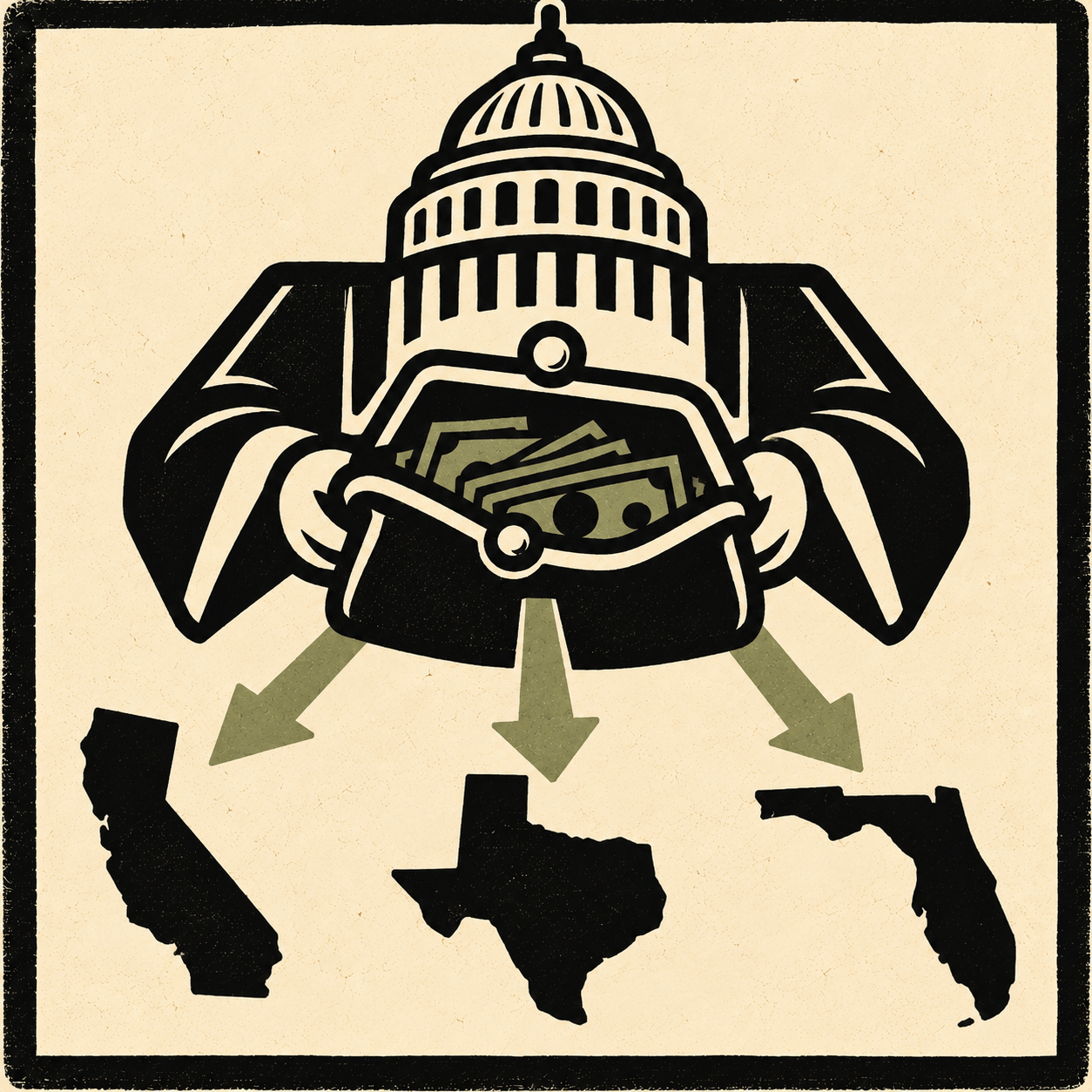
CATEGORICAL GRANTS provide federal money for a specific program or purpose. Washington decides what the money can pay for and sets requirements states must follow to receive it.
Think about the programs you just saw. Medicaid, SNAP, school lunches, and many highway programs all use federal funding tied to particular purposes and requirements.
States get help paying the bill, but they have less discretion, meaning less freedom over how those federal dollars are used.
The money comes with strings attached.
[ADD SQUARE IMAGE]
EQ: What is federalism, and how is government power divided?
“GREATER DISCRETION”
But federal money does not always come with such specific instructions.
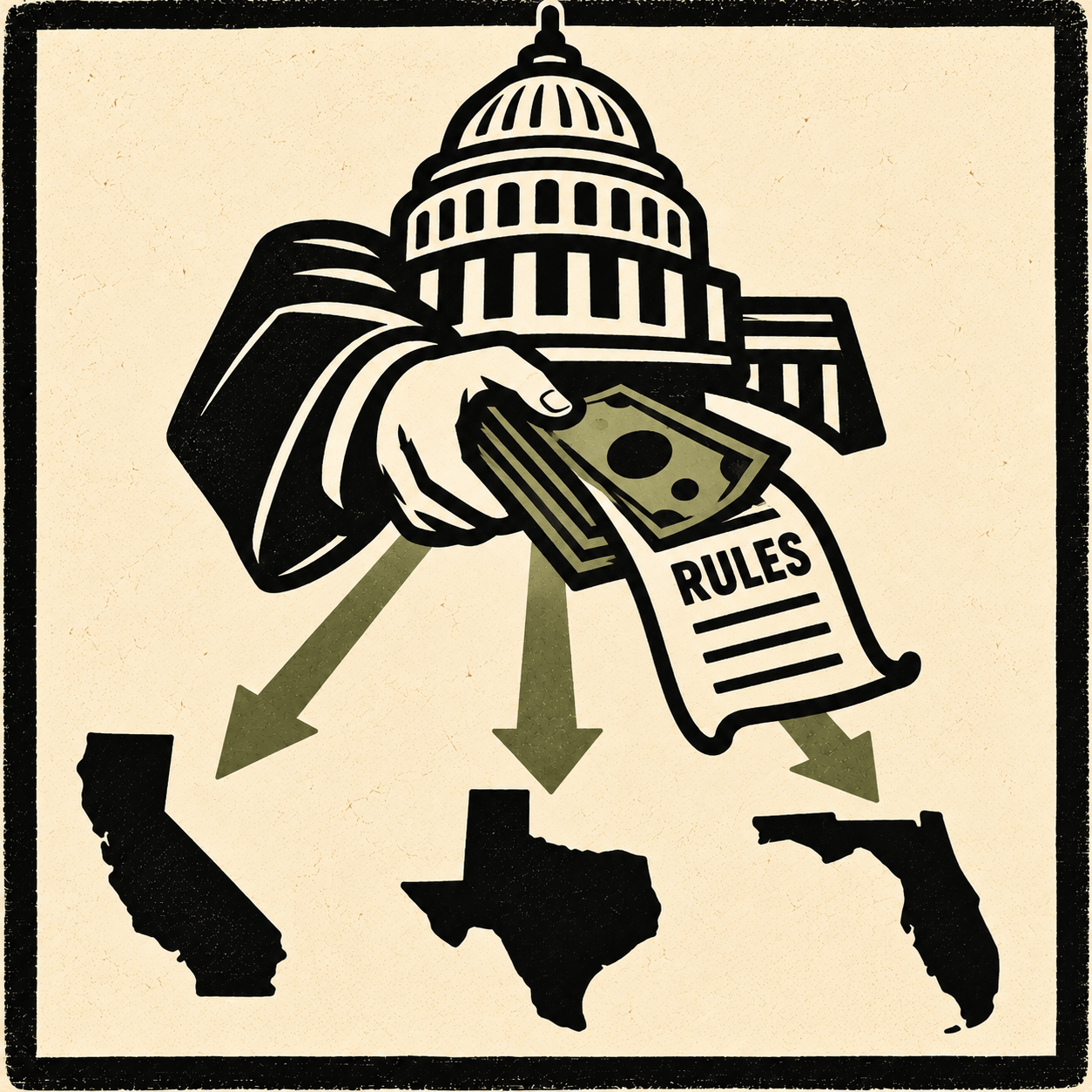
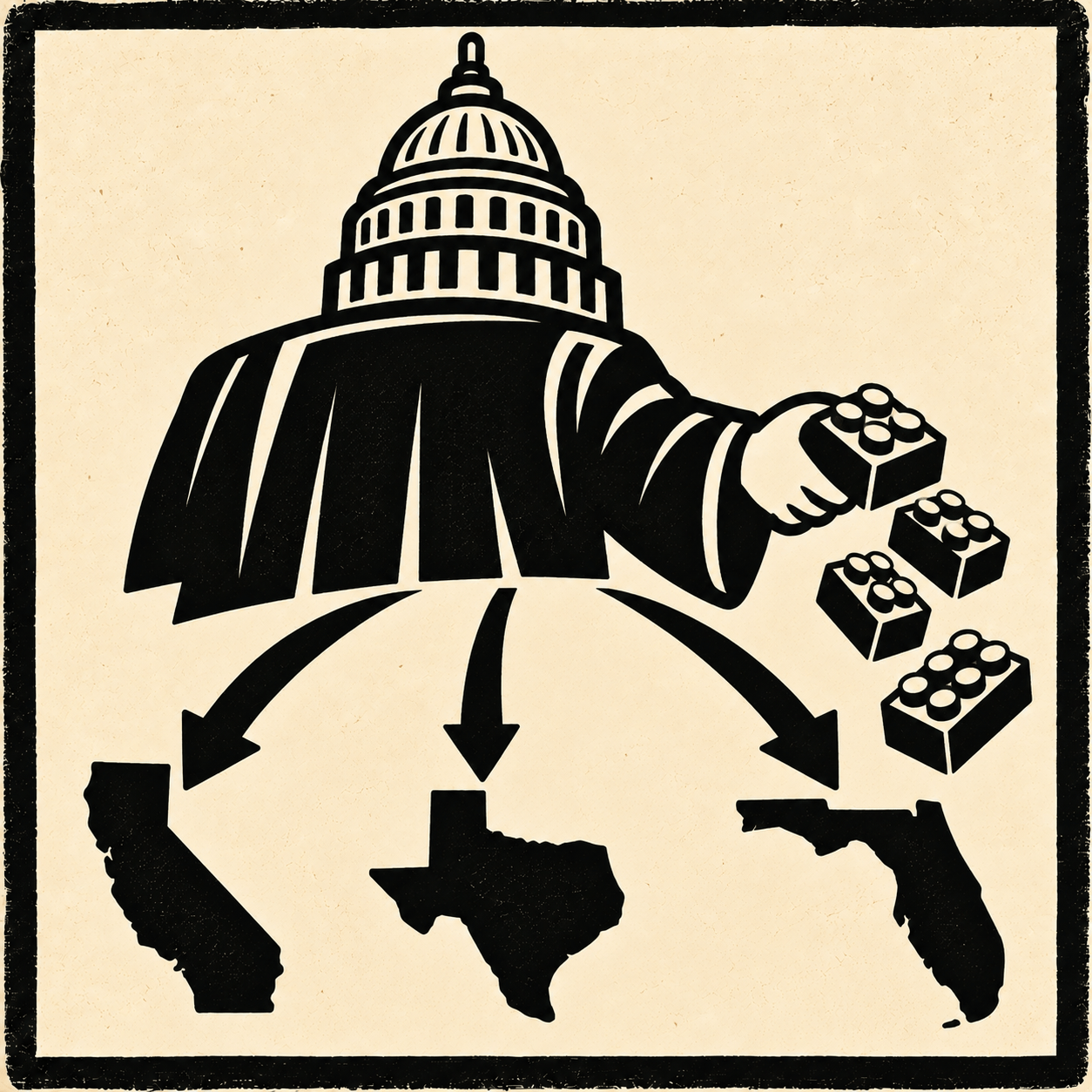
BLOCK GRANTS give states federal money for a broad area, such as helping low-income families. Washington still sets boundaries, but states have greater discretion, meaning more freedom to decide how the money is used.
TANF, for example, sends federal money to states for programs serving low-income families. In California, some of that funding supports CalWORKs, one of the programs you saw earlier.
Same federal money. More decisions left to the states.
[ADD SQUARE IMAGE]
EQ: What is federalism, and how is government power divided?
SAME MONEY. DIFFERENT RULES.
WASHINGTON → FEDERAL $$$ → CALIFORNIA
CATEGORICAL GRANT
“USE IT FOR THIS.”
For school lunches.
Follow federal requirements.
SPECIFIC PURPOSE
LESS STATE DISCRETION
BLOCK GRANT
“USE IT IN THIS AREA.”
For family assistance.
California decides more of the details.
BROAD PURPOSE
MORE STATE DISCRETION
Which gives California more control over the money?
[ADD SQUARE IMAGE]
“AN ENFORCEABLE DUTY”
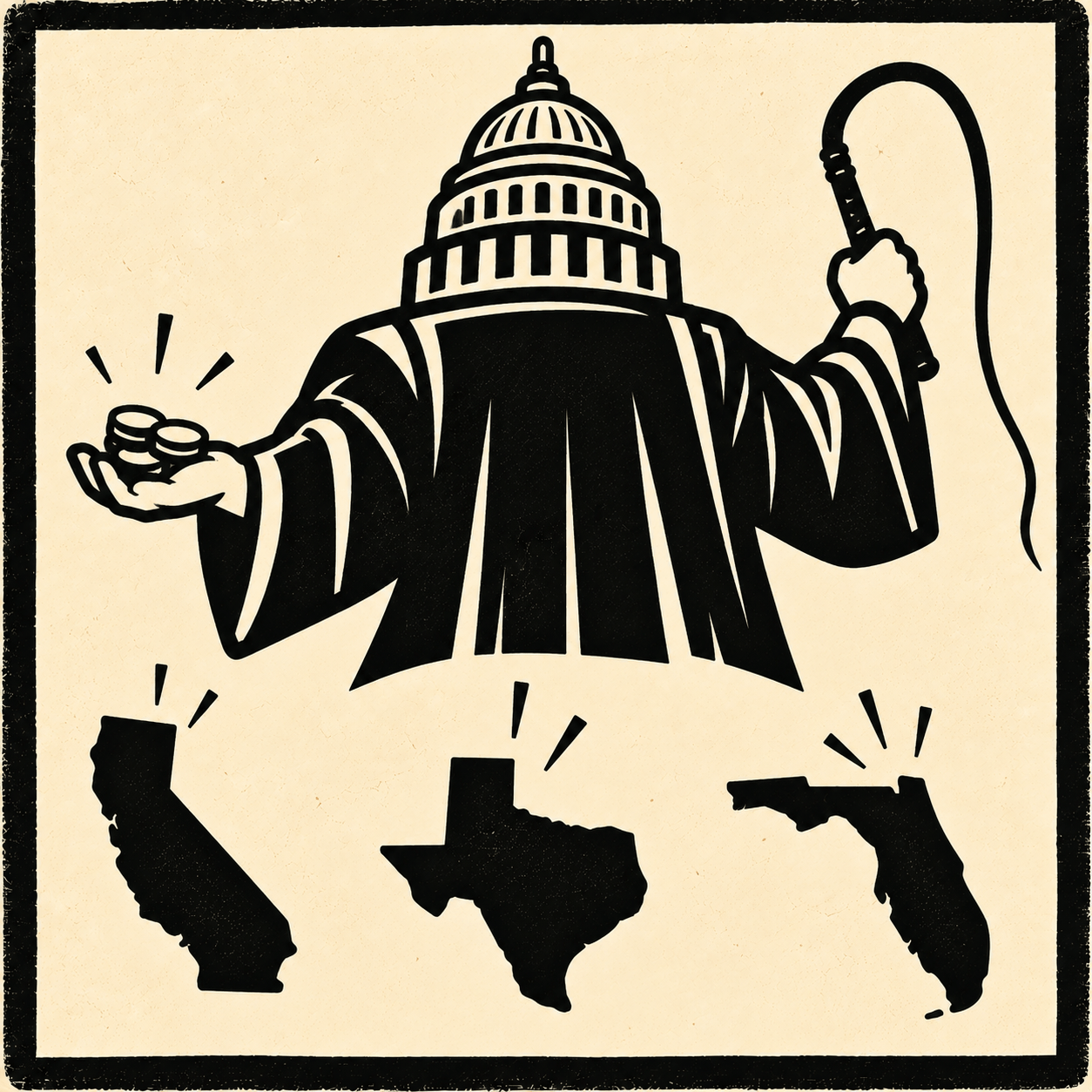
So far, Washington has influenced states by offering money. But sometimes there is no offer.
A FEDERAL MANDATE requires state or local governments to follow a federal rule or standard. The Americans with Disabilities Act, for example, requires state and local governments to meet accessibility requirements.
If the requirement comes without enough federal money to cover the cost, it is an UNFUNDED MANDATE. State and local governments may have to pay the remaining cost themselves.
Grants offer money. Mandates require action.
EQ: What is federalism, and how is government power divided?
5 FEDERAL MANDATES YOU MAY KNOW
accessible_forward
ADA
State and local programs and services must be accessible to people with disabilities.
air
CLEAN AIR ACT
States must create plans that meet federal air-quality standards.
how_to_vote
HELP AMERICA VOTE ACT
States must follow federal election rules, including provisional ballots and statewide voter-registration systems.
water_drop
CLEAN WATER ACT
States and local governments must follow federal rules for water pollution and permits.
local_drink
SAFE DRINKING WATER ACT
Public water systems must meet federal safety standards for drinking water.
THE TOOLKIT
PART 3 RECAP
FEDERAL MONEY
GRANTS-IN-AID
Federal money given to state or local governments for public programs.
CATEGORICAL GRANTS
Money for a specific purpose with detailed federal requirements.
BLOCK GRANTS
Money for a broad purpose with greater state discretion.
FEDERAL REQUIREMENTS
FEDERAL MANDATE
A federal requirement state or local governments must follow.
UNFUNDED MANDATE
A mandate without enough federal money to cover its cost.
Washington can influence states with MONEY or REQUIREMENTS.
PT. 4: fifty different answers
MATCH IT UP
1. FEDERALISM
2. ENUMERATED POWERS
3. TENTH AMENDMENT
4. IMPLIED POWERS
5. SUPREMACY CLAUSE
A. Powers not written word-for-word but used to carry out powers Congress already has.
B. Divides power between the national and state governments.
C. Powers the Constitution specifically gives the national government.
D. Powers not given to the national government are reserved to the states or the people.
E. When a valid federal law conflicts with a state law, federal law wins.
WATCH THIS!
What does this have to do with
FEDERALISM?
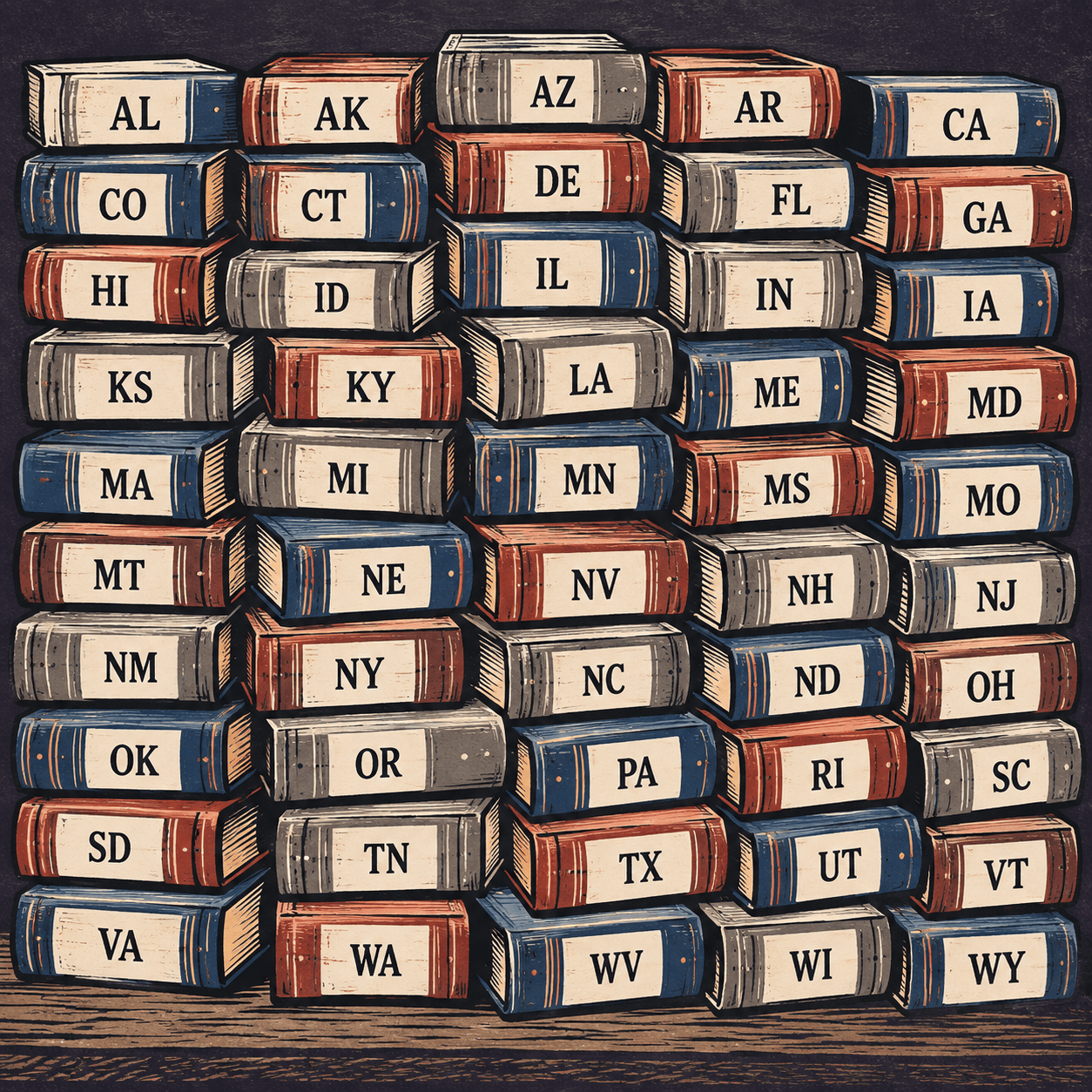
50
STATES.
50 RULEBOOKS?
Same country. Same Constitution.
So why can California, Texas, Florida, and New York have different laws?
[ADD SQUARE IMAGE]
“AMONG THE SEVERAL STATES”
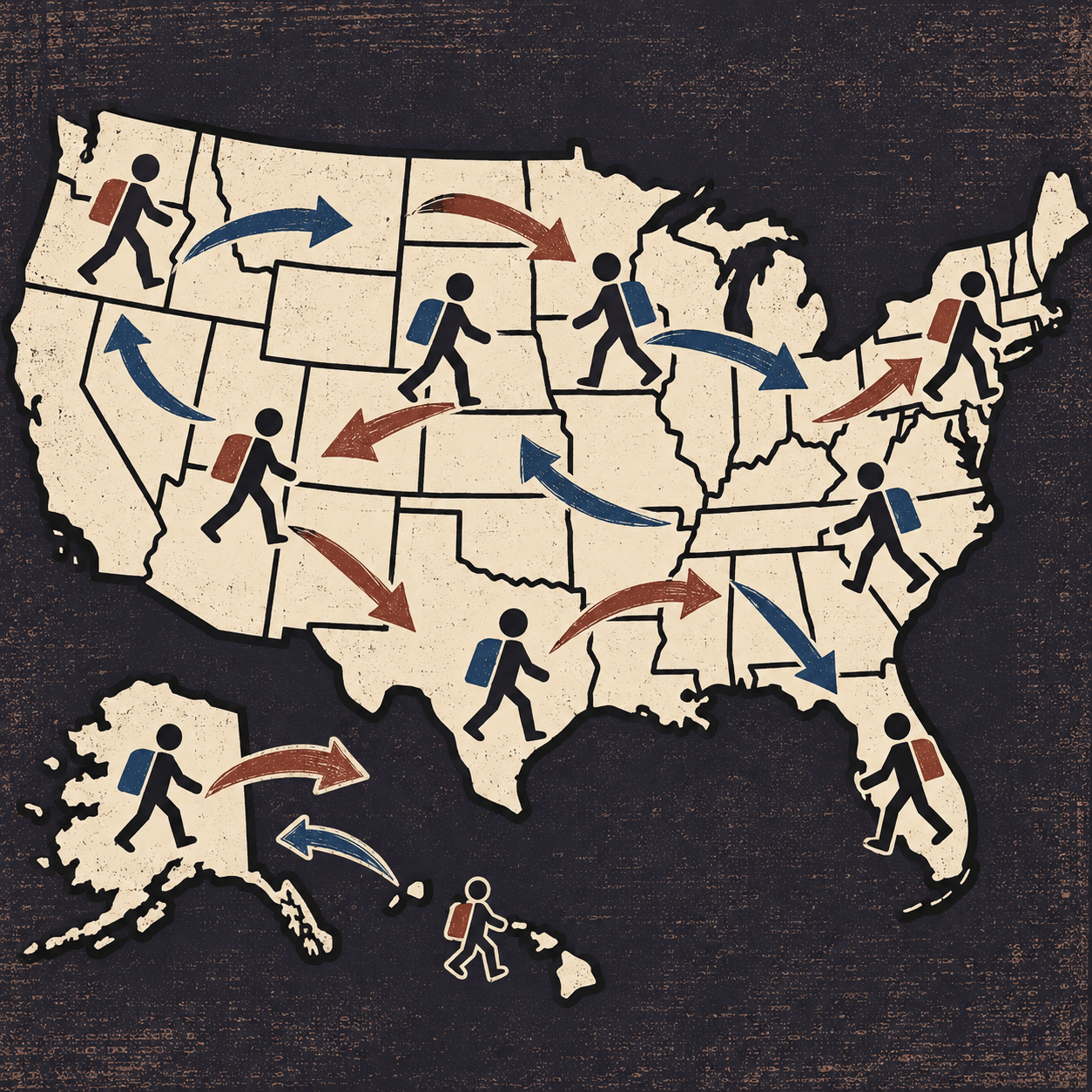
We have spent most of this lesson looking up and down at federalism.
Now we’re going to look sideways.
The Constitution left states with RESERVED POWERS, which means fifty states can make different choices about many of the laws people live under.
That explains the video. Cross a state line, and the rules can change.
But that creates a new problem. These states are not separate countries. They are all part of the same United States.
So what happens when the laws, decisions, and people of one state cross into another?
EQ: What is federalism, and how is government power divided?
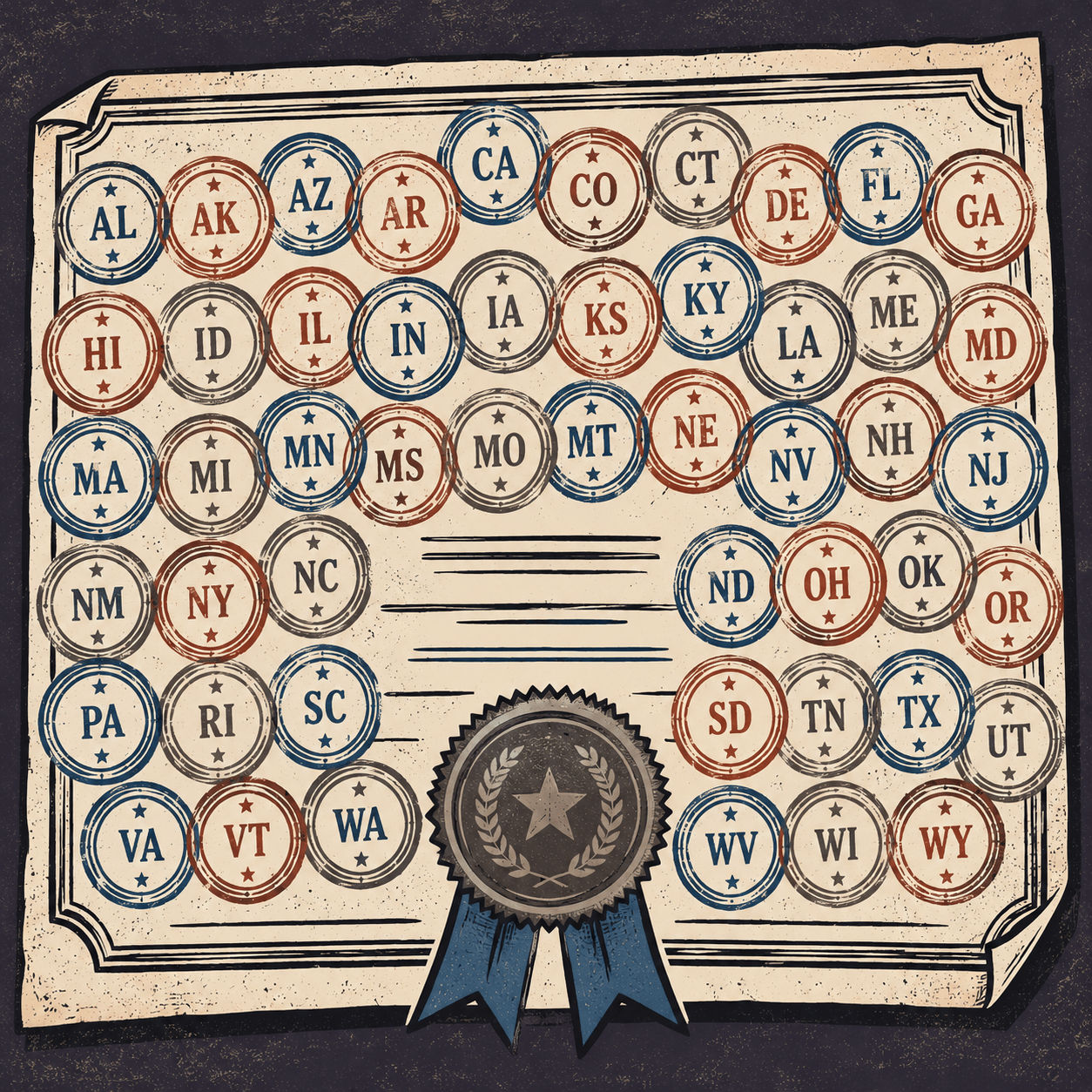
“FULL FAITH AND CREDIT”
Imagine California could simply ignore every official act or court decision made in another state. Moving across a state line could mean starting over legally.
The Constitution prevents that. The FULL FAITH AND CREDIT CLAUSE requires states to recognize the public acts, records, and judicial proceedings of other states.
Think court judgments, legal records, and other official state actions. A decision does not simply disappear because someone crosses into another state.
Fifty states can have different laws, but they still have to function as one country.
[ADD SQUARE IMAGE]
EQ: What is federalism, and how is government power divided?
WHAT CROSSES STATE LINES?
1. MARRIAGE
You legally marry in Nevada, then move to California.
Still married? → YES
2. ADOPTION
A California court finalizes your adoption. Your family moves to Arizona.
Still your legal parents? → YES
3. DIVORCE
A Texas court divorces you. Your ex moves to Florida.
Still divorced? → YES
4. CHILD CUSTODY
A California court issues a custody order. A parent takes the child to Nevada.
Does the order still matter? → YES
5. COURT JUDGMENT
You lose a lawsuit in New York and owe $50,000. You move to New Jersey.
Does the judgment follow you? → YES
6. STATE LAW
Marijuana is legal in California. You drive into Idaho, where it is illegal.
Does California law follow you? → NO
OKAY...BUT WHAT ABOUT THIS?
MARRIED AT 16
At 16, you legally marry in Kansas with parental consent. Then you move to Massachusetts, where you must be 18 to get married.
Are you still married?
GENERALLY, YES.
Massachusetts wouldn’t let you get married there at 16, but that doesn’t automatically erase a legal marriage from another state.
MARRIED YOUR FIRST COUSIN
You legally marry your first cousin in California. Then you move to Arizona, where first-cousin marriage is usually prohibited.
Are you still married in Arizona?
MAYBE NOT.
Arizona normally recognizes out-of-state marriages—but makes exceptions for marriages its own law declares void.
FULL FAITH AND CREDIT ISN’T “LEGAL THERE = LEGAL EVERYWHERE.”
[ADD SQUARE IMAGE]
“PRIVILEGES AND IMMUNITIES”
Your California license plate should not make you a second-class citizen when you enter another state.
The PRIVILEGES AND IMMUNITIES CLAUSE says citizens of each state are entitled to the privileges and immunities of citizens in other states.
In simple terms, states generally cannot discriminate against you just because you come from another state in important areas like working, owning property, or using the courts.
This is another rule of FEDERALISM: states have their own powers, but they are still part of one country.
EQ: What is federalism, and how is government power divided?
CAN A STATE DO THAT?
WORK
Can New York charge someone from Pennsylvania an extra fee just because they came there to work?
COURTS
Can Georgia let its own residents sue in state court but refuse the same access to someone from Florida?
COLLEGE
Can Colorado charge a student from Nebraska more tuition than a Colorado resident?
HUNTING
Can Montana charge a hunter from Washington more for a hunting license than a Montana resident?
→ NO, THEY CAN’T.
→ NO, THEY CAN’T.
→ YES, THEY CAN.
→ YES, THEY CAN.
Different state? Some rules can change. Your basic rights can’t.
"Delivered up"
Crossing a state line does not give someone a reset button after being charged with a crime.
The EXTRADITION CLAUSE says that if someone is charged with a crime in one state and flees to another, the second state must return them when requested.
So if someone commits a crime in Nevada and runs to California, California cannot become a safe hiding place.
This is federalism state to state: separate governments that must cooperate.
State lines divide power. They do not erase responsibility.
[ADD SQUARE IMAGE]
EQ: What is federalism, and how is government power divided?
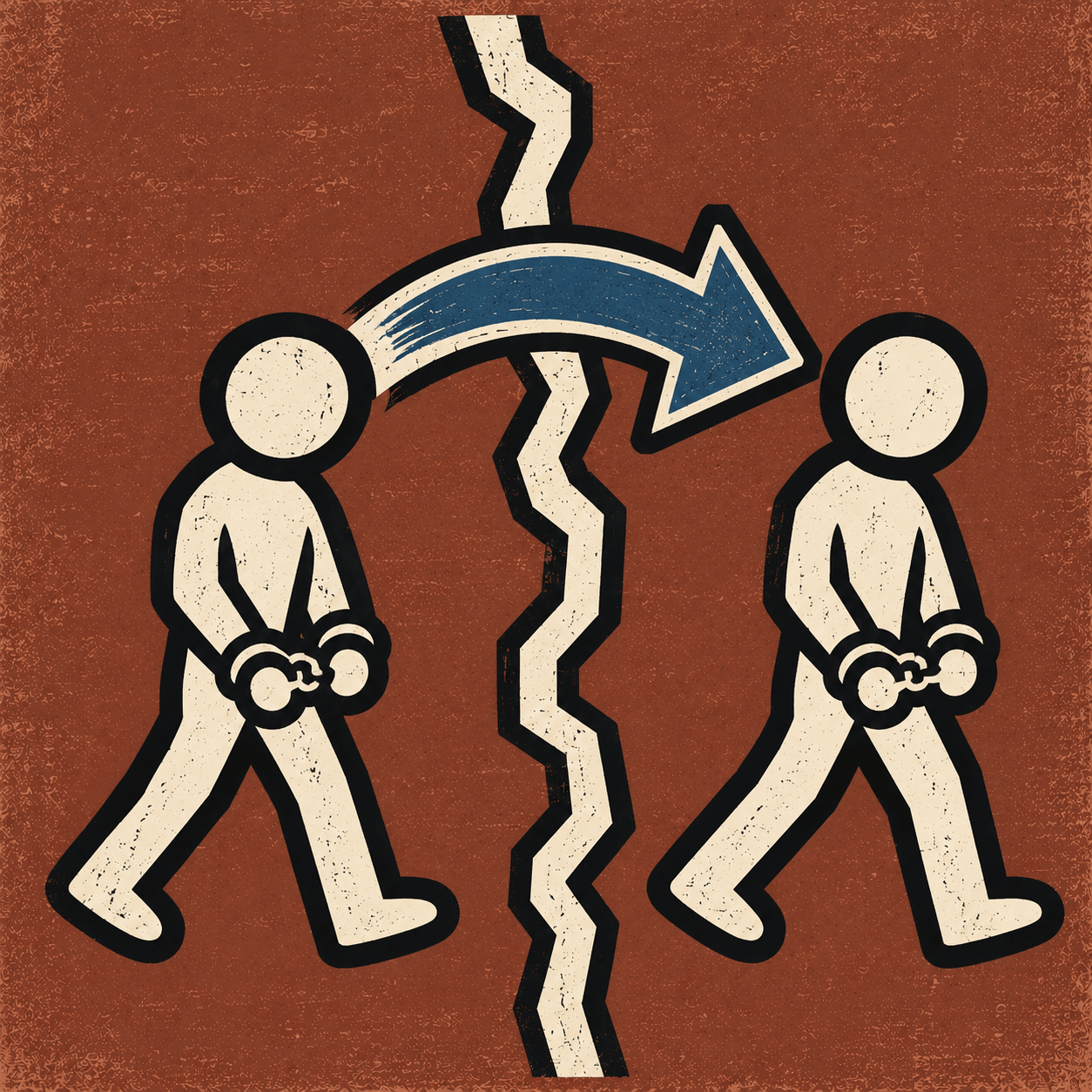
“AMONG THE SEVERAL STATES”
Federalism does not create 50 separate countries.
States can make different laws, but the Constitution also creates rules for how they deal with one another.
FULL FAITH AND CREDIT
Recognize other states’ records and court decisions.
PRIVILEGES AND IMMUNITIES
Do not deny outsiders basic rights just because they are from another state.
EXTRADITION
Return people who flee across state lines after being charged with crimes.
Different states. One constitutional system.
PT. 5: More than one door
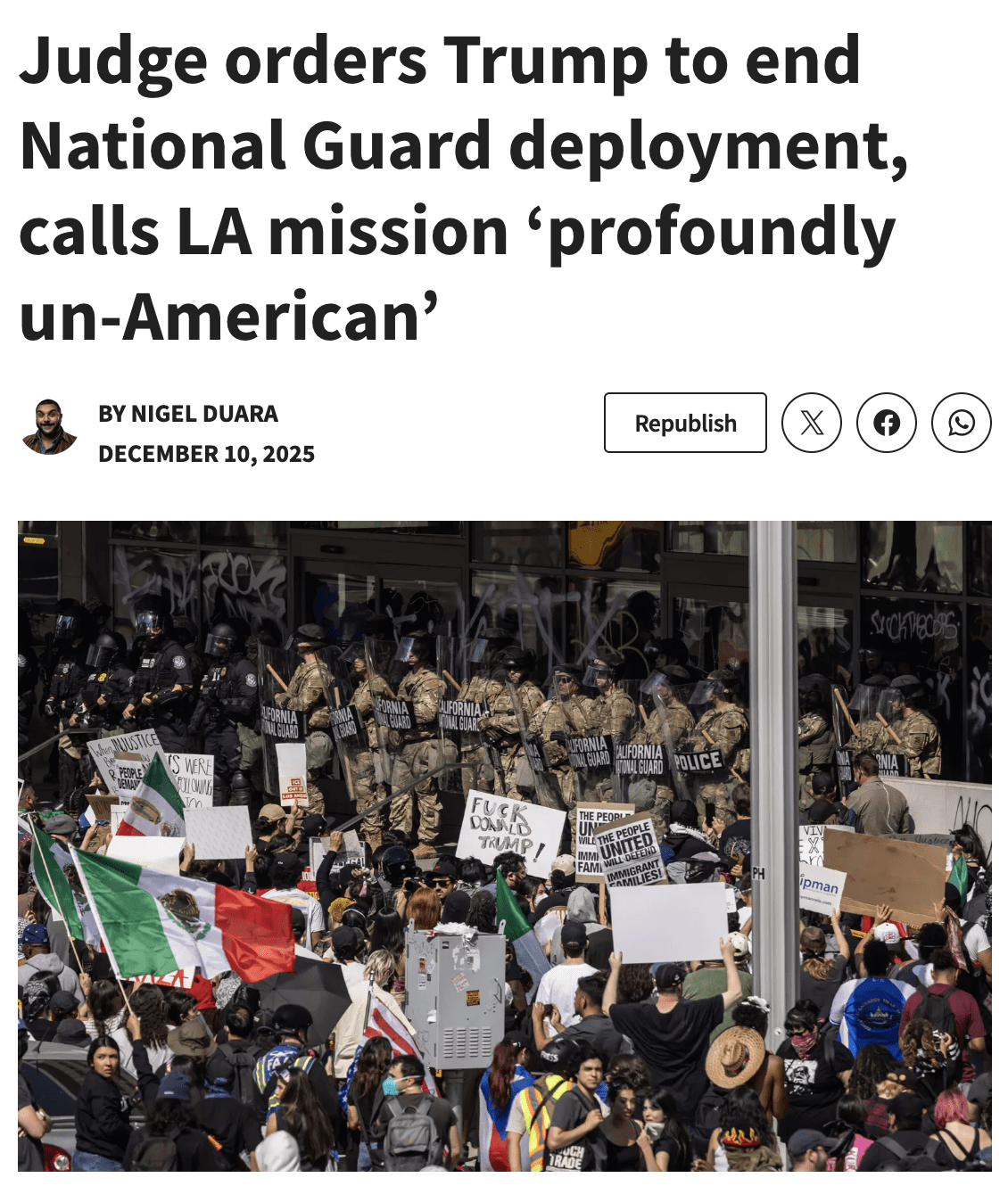
WHO CONTROLS THEM?
THE GOVERNOR?
or
THE PRESIDENT?


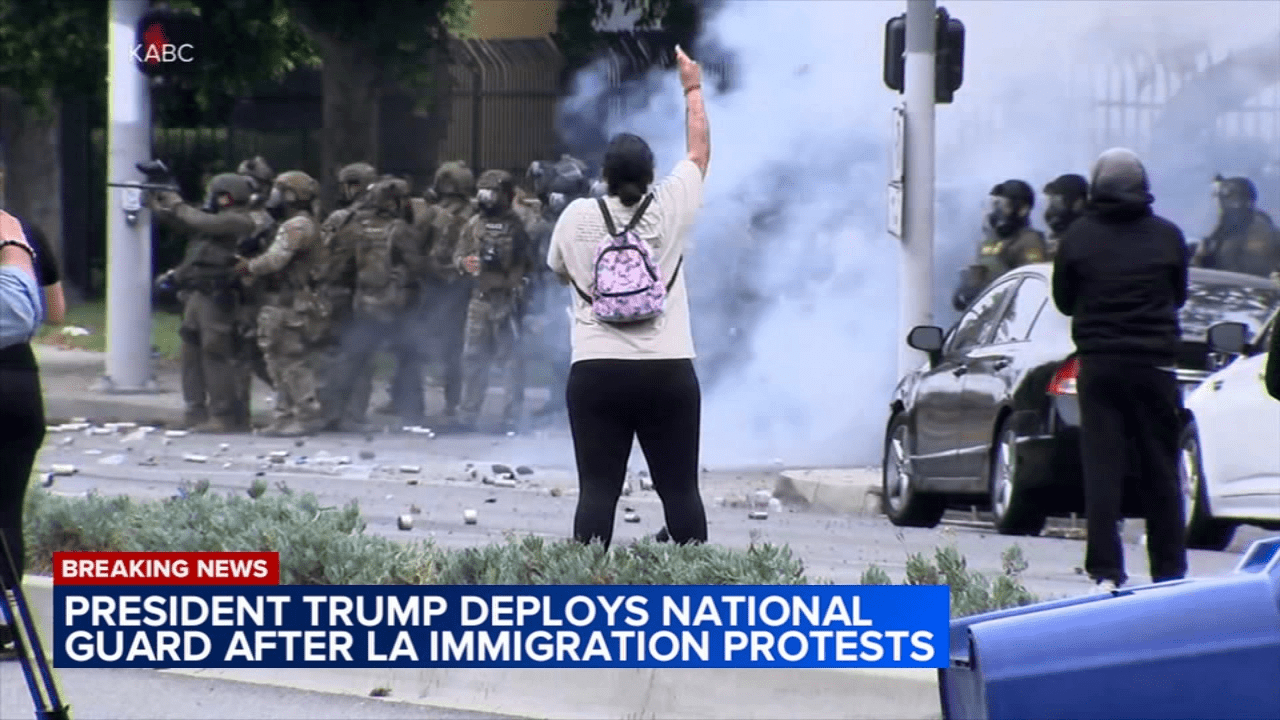
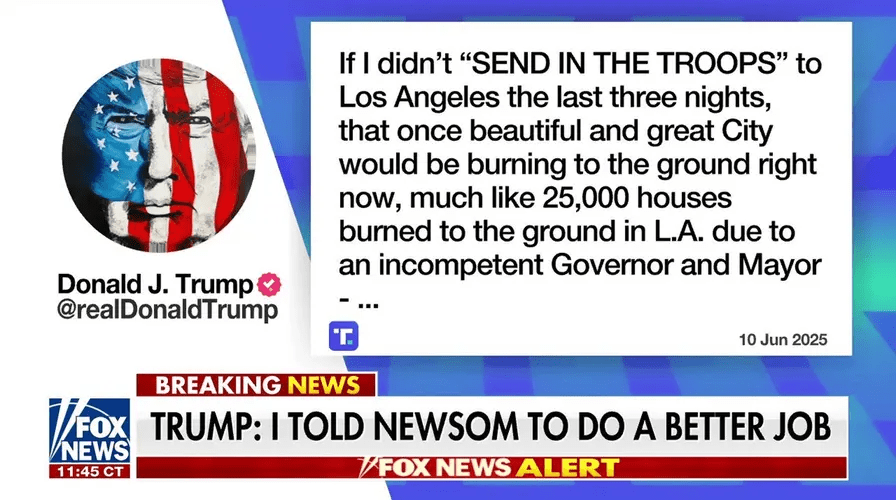
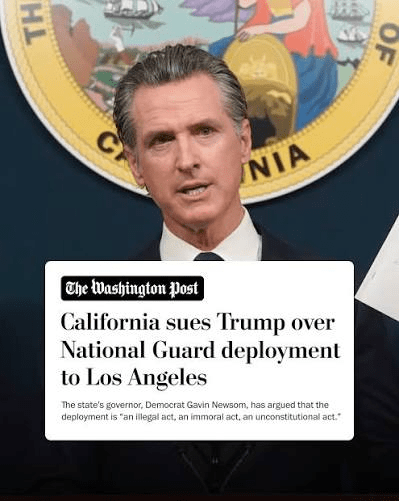
WHAT IF I TOLD YOU...
IT GETS EVEN MORE COMPLICATED?
LOOK EVEN
CLOSER...
IT GETS
MORE
COMPLICATED
[ADD SQUARE IMAGE]
“SEVERAL CONSTITUENT PARTS”
Federalist 10 gave us groups trying to influence government. Federalist 51 gave them different institutions to influence.
FEDERALISM adds even more doors.
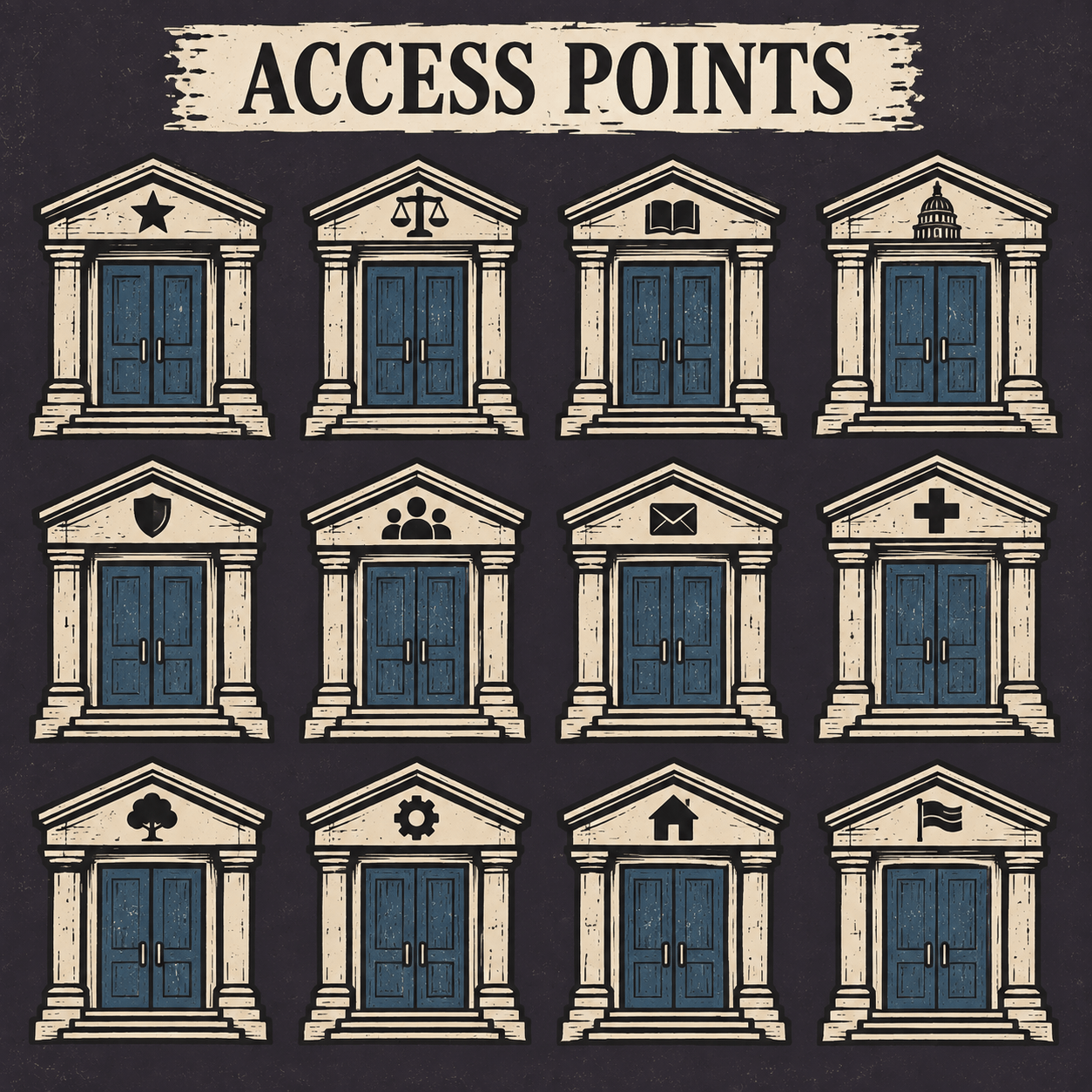
A STAKEHOLDER—a person or group affected by an issue—can try to influence policy through national, state, or local government. Each place where they can push for change is an ACCESS POINT.
That means losing in one place does not always end the fight. A stakeholder may have another government, institution, or level where it can try again.
Federalism multiplies the ways people can influence policy.
EQ: What is federalism, and how is government power divided?
ONE ISSUE. MANY DOORS.
YOU WANT TO CHANGE THE MINIMUM WAGE.
WHERE COULD YOU GO?
LOCAL
City council
Mayor
Local courts
STATE
Governor
State legislature
State agencies
State courts
NATIONAL
Congress
President
Federal agencies
Federal courts
One stakeholder. One issue. Multiple access points.
“A COMPOSITION OF BOTH”
We started with Madison describing the Constitution as “a composition of both” national and federal power. Now we can see why.
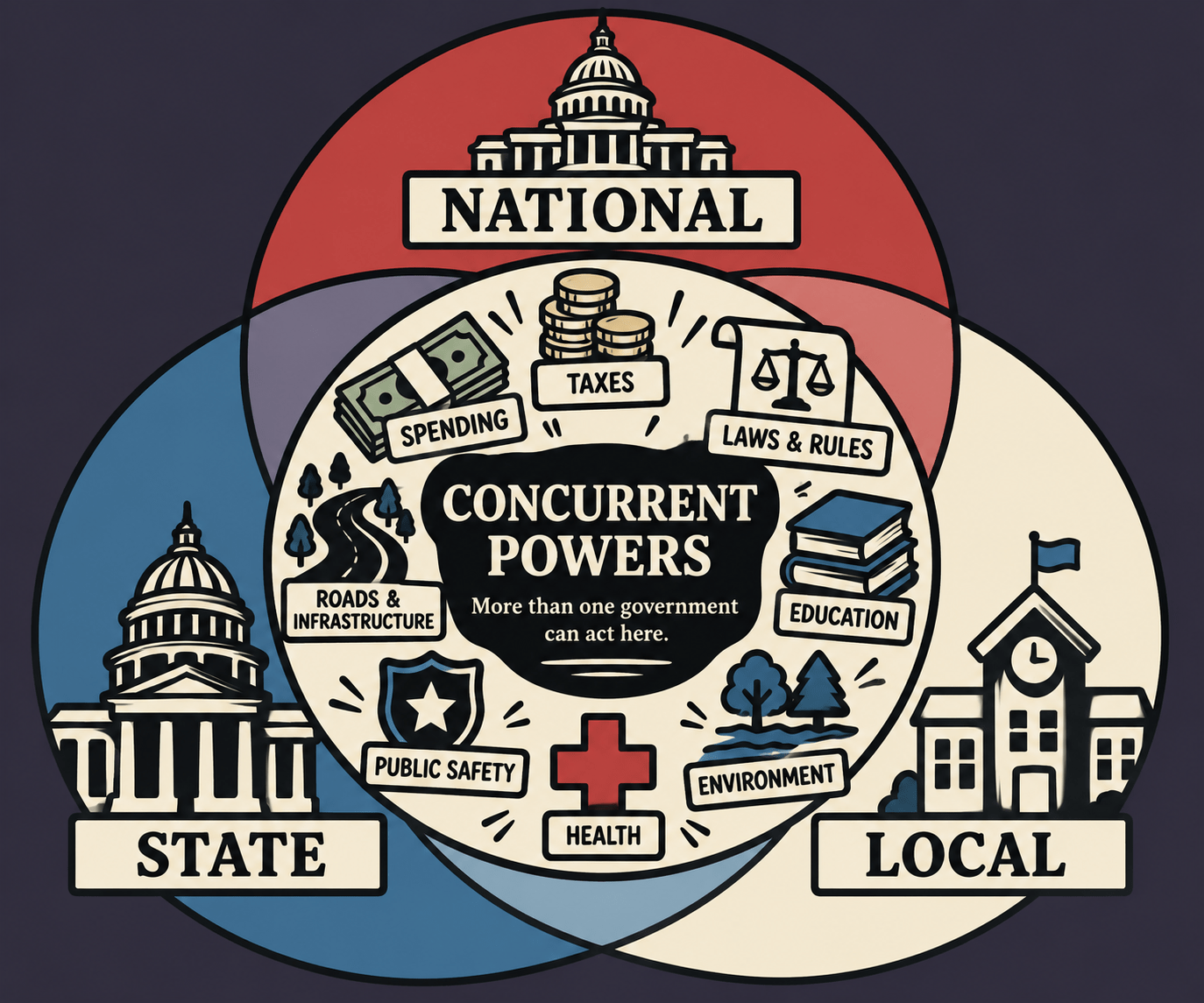
FEDERALISM does not always give us a clean line between governments. NATIONAL, STATE, and LOCAL GOVERNMENTS can work on the same problems, use CONCURRENT POWERS, and influence the same policies.
That creates more access points and more ways to act—but also more opportunities for overlap, disagreement, and delay.
Federalism divides power. Governing often mixes it back together.
[ADD SQUARE IMAGE]
EQ: What is federalism, and how is government power divided?
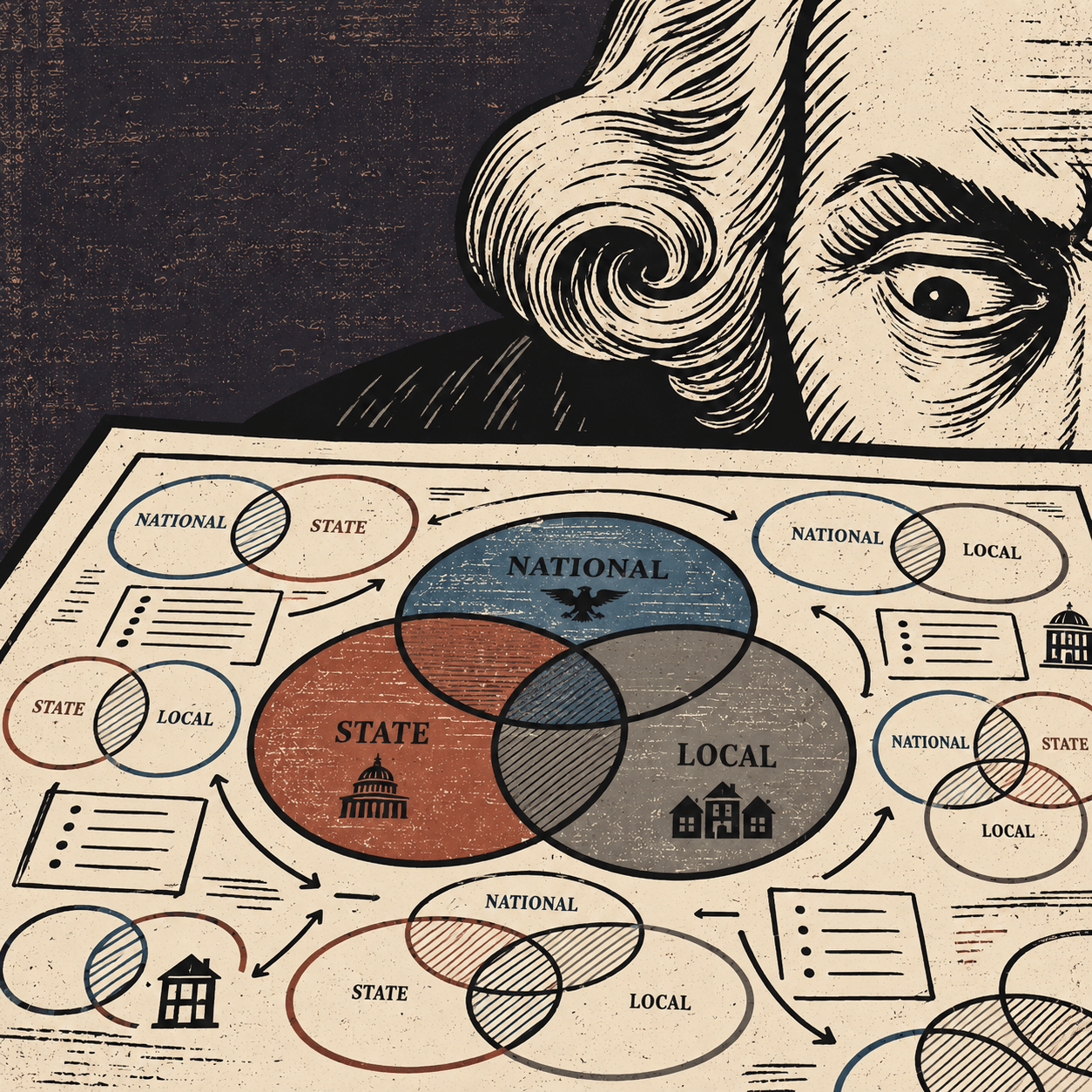
LOOK AGAIN...
FEDERALISM
IS MESSY.
[ADD SQUARE IMAGE]
Text
Text
EQ: What is federalism, and how is government power divided?
LESSON RECAP
FEDERALISM divides power—but governing rarely stays in neat boxes.
- DIVIDED POWER — National and state governments have their own powers.
- INTERPRETED POWER — McCulloch expands; Lopez limits.
- MONEY & RULES — Grants influence; mandates require.
- STATE ↔ STATE — States differ but must work together.
- OVERLAPPING POWER — Multiple access points and concurrent powers.
ONE LAST UNIT 1 CONNECTION
MADISON KEEPS DIVIDING POWER
FEDERALIST 10 — ACROSS SOCIETY
A large republic contains many factions and competing interests, making it harder for one faction to dominate. Madison argues that an extended republic encompasses a greater variety of parties and interests.
FEDERALIST 51 — ACROSS BRANCHES
Government power is divided among separate institutions that can check one another. Madison describes giving each department constitutional means to resist the others.
FEDERALIST 39 — ACROSS GOVERNMENTS
Power is divided between the national and state governments—a system Madison describes as neither wholly national nor wholly federal.