














Content ITV PRO
This is Itvedant Content department
Learning Outcome
6
Follow legal and compliance rules
5
Manage payouts and affiliates
4
Understand tracking and attribution basics
3
Create effective commission structures
2
Identify popular affiliate platforms
1
Understand affiliate marketing and how it works
The College Food Promoter
Imagine a student named Rahul
Rahul loves a restaurant called Urban Tadka. He keeps recommending it to his friends.
The College Food Promoter
One day, the restaurant owner tells Rahul:
The College Food Promoter
Now:
His friends order food
The restaurant gets more customers
Rahul earns money
Rahul becomes an Affiliate Marketer
Rahul shares his special link/code in his WhatsApp groups and Instagram.
Key Insight for Students:
“Affiliate marketing is just digital word-of-mouth with tracking and rewards.”
Food Promoter to Affiliate Marketing
Affiliate Marketing is like a Sales Army without salaries.”
No result = No cost
More results = More growth
This makes affiliate marketing:
✔ Low risk
✔ Performance-driven
✔ Highly scalable
Instead of hiring full-time salespeople:
What is Affiliate Marketing?
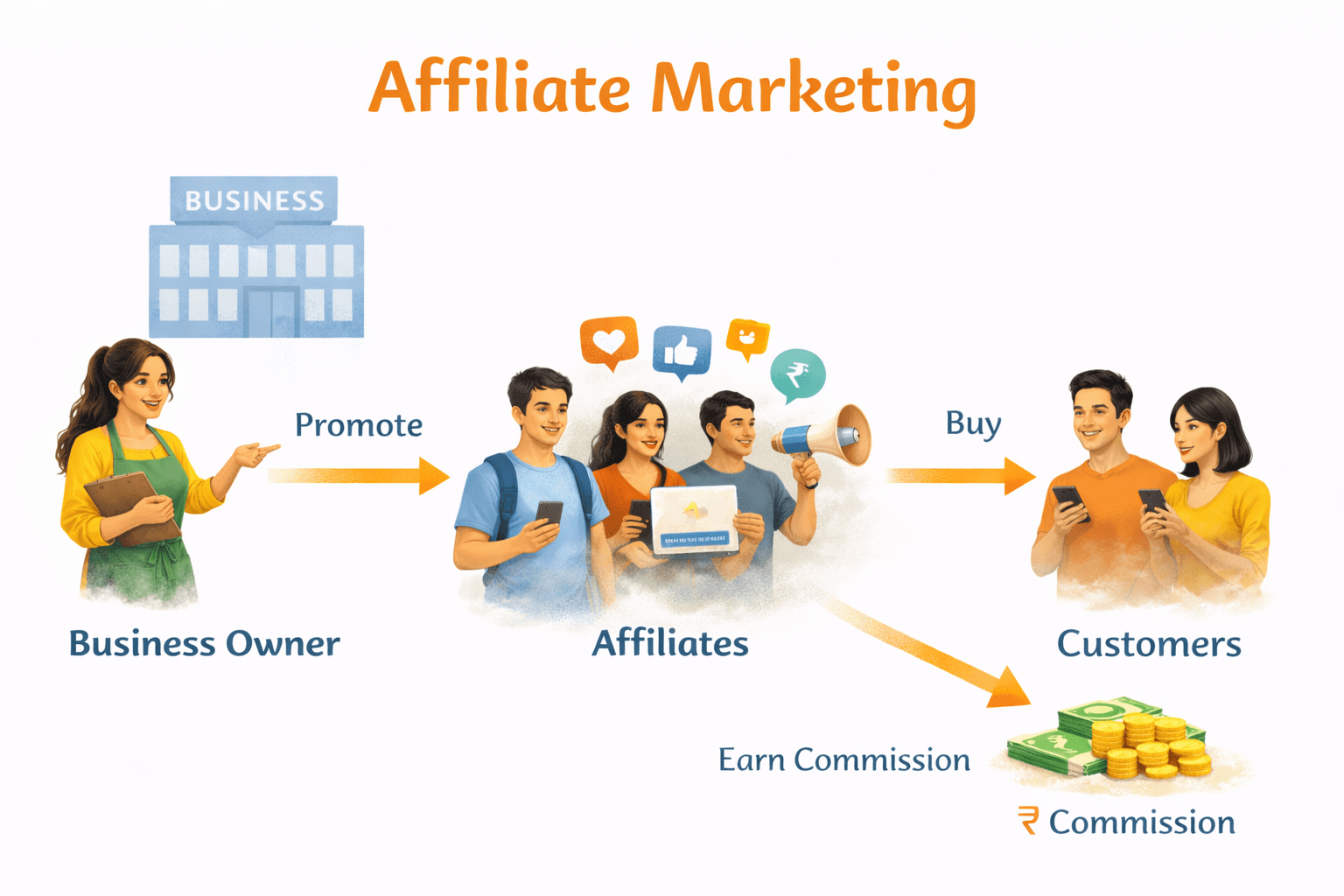
Affiliate marketing is a performance-based marketing strategy where businesses partner with individuals (affiliates) who promote their products or services, and earn a commission for every sale, lead, or action generated through their referral.
You only pay for actual results, not effort
How Affiliate Marketing Works
1. Create Tracking System
Unique links or referral codes are generated
Each affiliate gets a unique identity
Helps track who brought the customer
2. Affiliate Promotion
Social media (Instagram, YouTube)
Blogs or websites
WhatsApp / communities
Goal: Drive traffic to your product
How Affiliate Marketing Works
3. Customer Action
User clicks the link
Visits website
Makes a purchase or signs up
4. Conversion Tracking
System records:
Clicks
Conversions
Sales value
Ensures correct attribution
5. Commission Payout
Affiliate earns:
Fixed amount OR
% of sale
Ensures correct attribution
Why Businesses Use Affiliate Marketing
Low risk (pay only for results)
Scalable growth (many affiliates)
Cost-effective customer acquisition
Expands brand reach organically
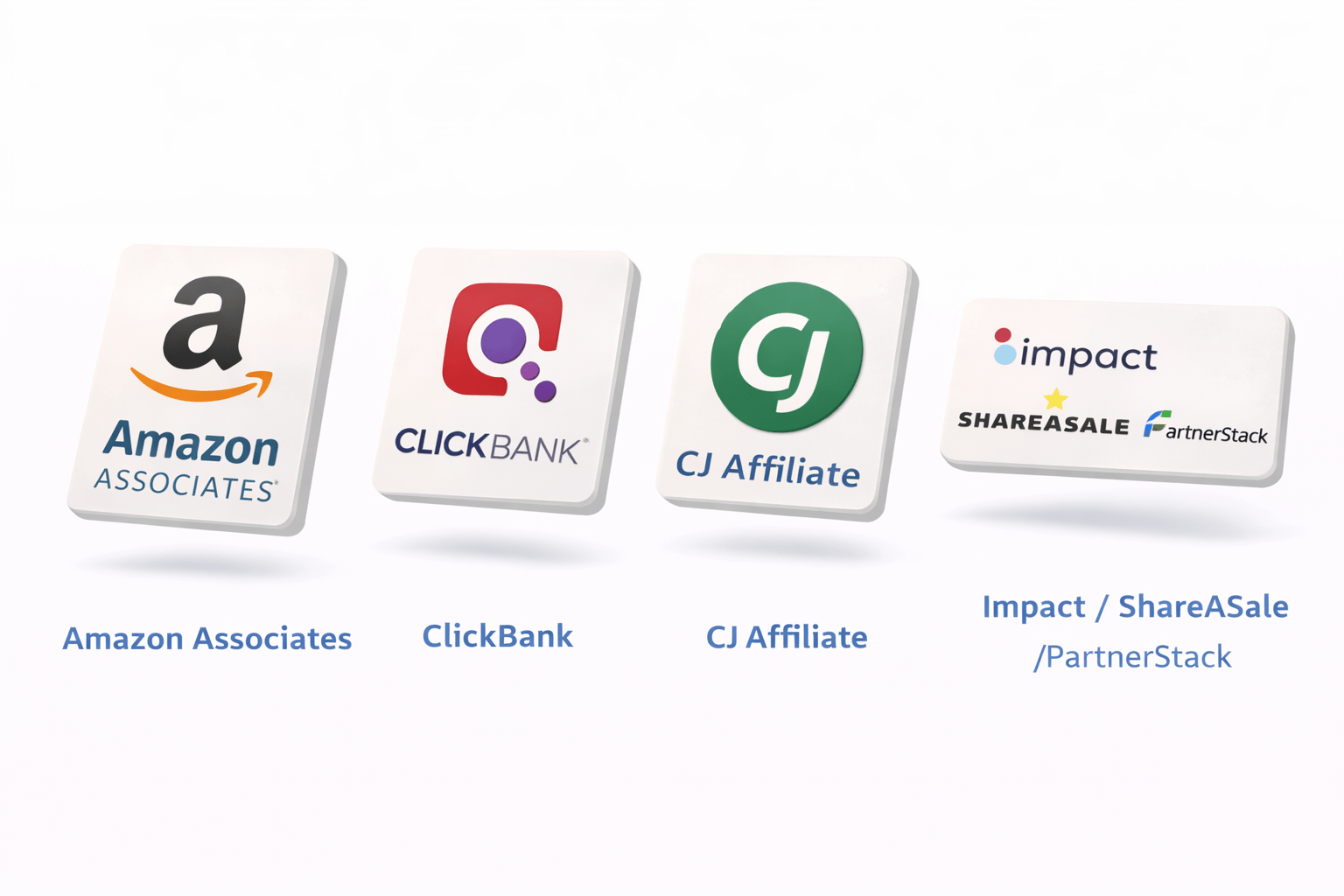
Popular Affiliate Platforms
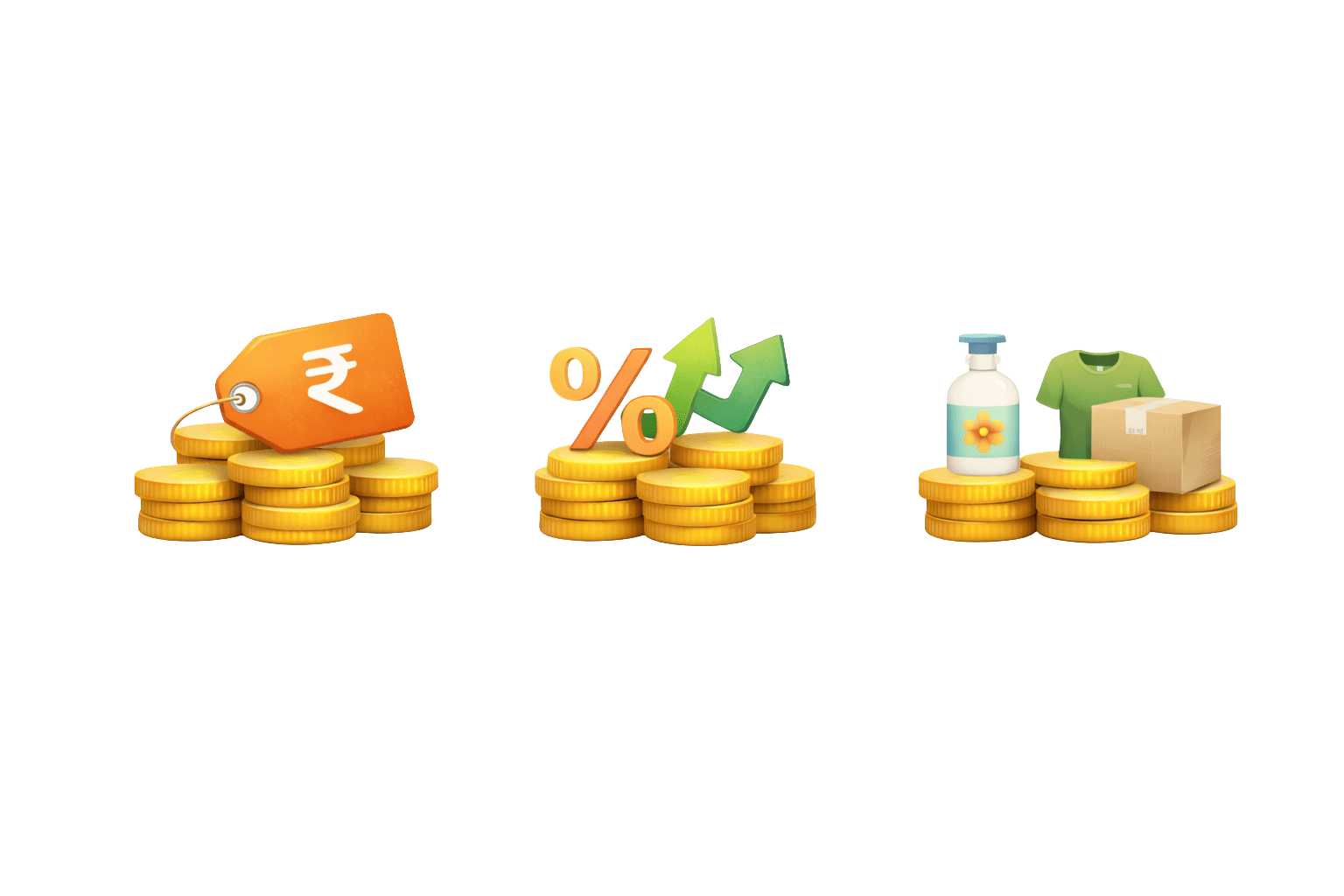
Commission Structure
Types
Flat fee
(₹ per sale)
Percentage-based
(e.g., 10%)
Variable
(e.g., 10%)
Best Practices
Keep it competitive
Reward top performers
Maintain transparency
Tracking Basics
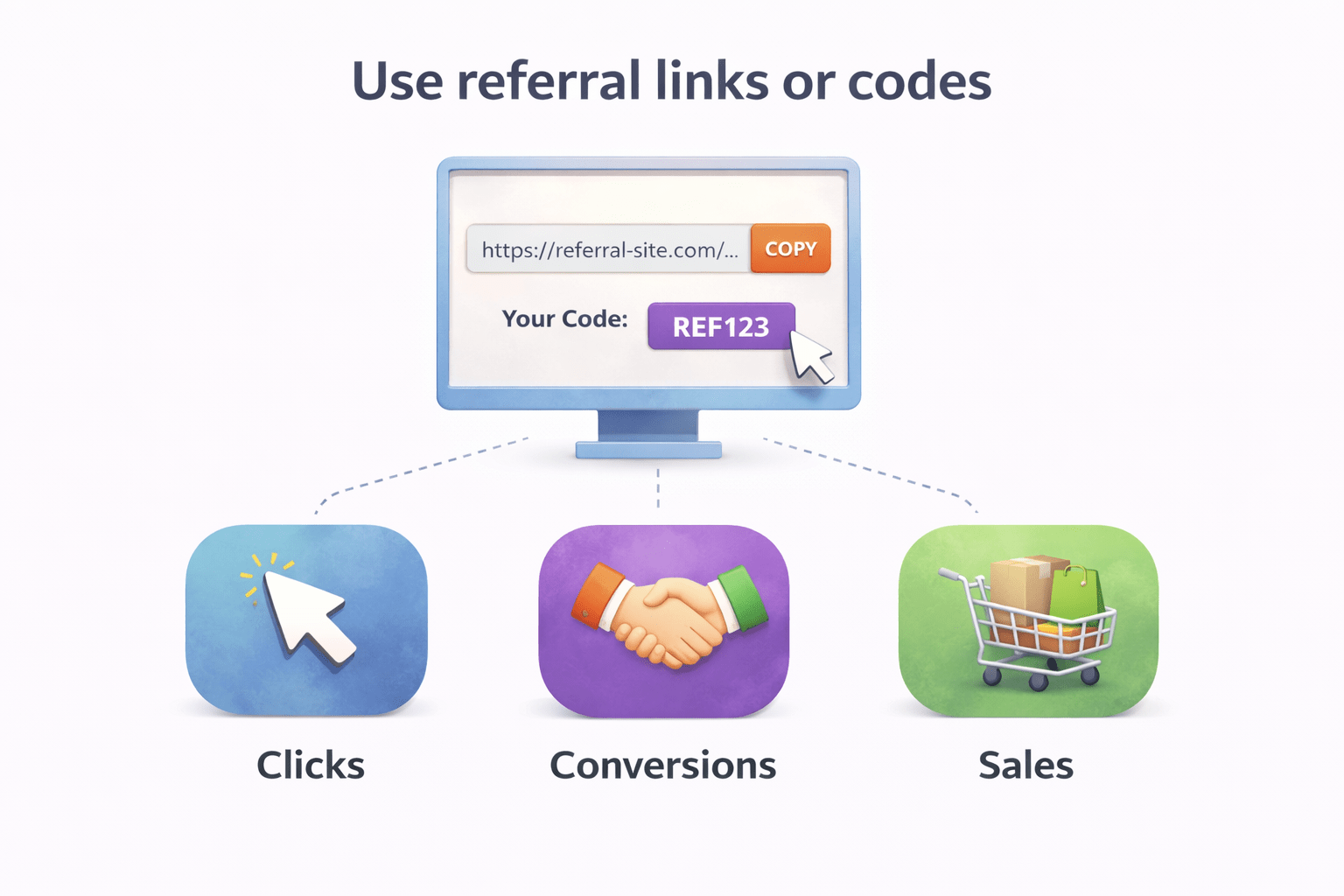
Use referral links or codes
Track:
Payout Management
Track affiliate performance
Set payout threshold (e.g., ₹1000)
Ensure timely payments
Provide clear reports
Trust = consistent and transparent payouts
Compliance & Legal Basics
Mandatory disclosure
Follow platform guidelines
Avoid misleading promotions
Transparency builds long-term credibility
Summary
5
Manage payouts and follow compliance
4
Create clear commission structures
3
Use tracking links to measure performance
2
You pay only when results happen
1
Affiliate marketing is performance-based
Quiz
What is the main benefit of affiliate marketing for businesses?
A. Fixed cost marketing
B. No marketing needed
C. Pay only for performance
D. High upfront investment
Quiz-Answer
What is the main benefit of affiliate marketing for businesses?
A. Fixed cost marketing
B. No marketing needed
C. Pay only for performance
D. High upfront investment
Quiz-Answer
Which platform is mainly used for professional networking and B2B marketing ?
A. Facebook
B. Instagram
C. LinkedIn
D. Snapchat
By Content ITV