














Content ITV PRO
This is Itvedant Content department
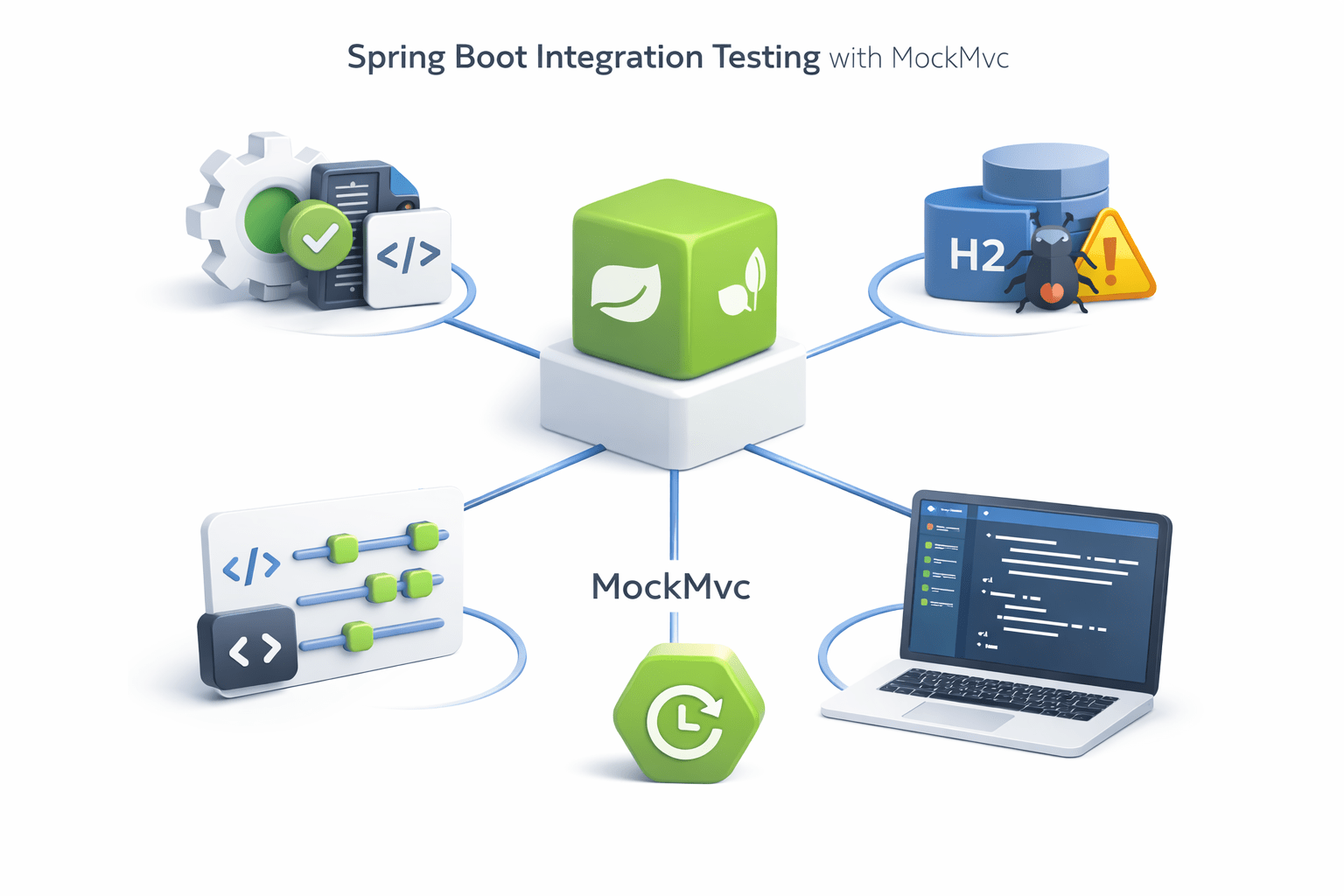
Spring Boot Integration Testing with MockMvc
Learning Outcome
6
Validate responses using assertions , Run integration tests using Maven
5
Work with MockMvc
4
Use Spring Boot testing annotations
3
Differentiate unit vs integration testing
2
Learn its purpose and importance
1
Understand integration testing
Analogy
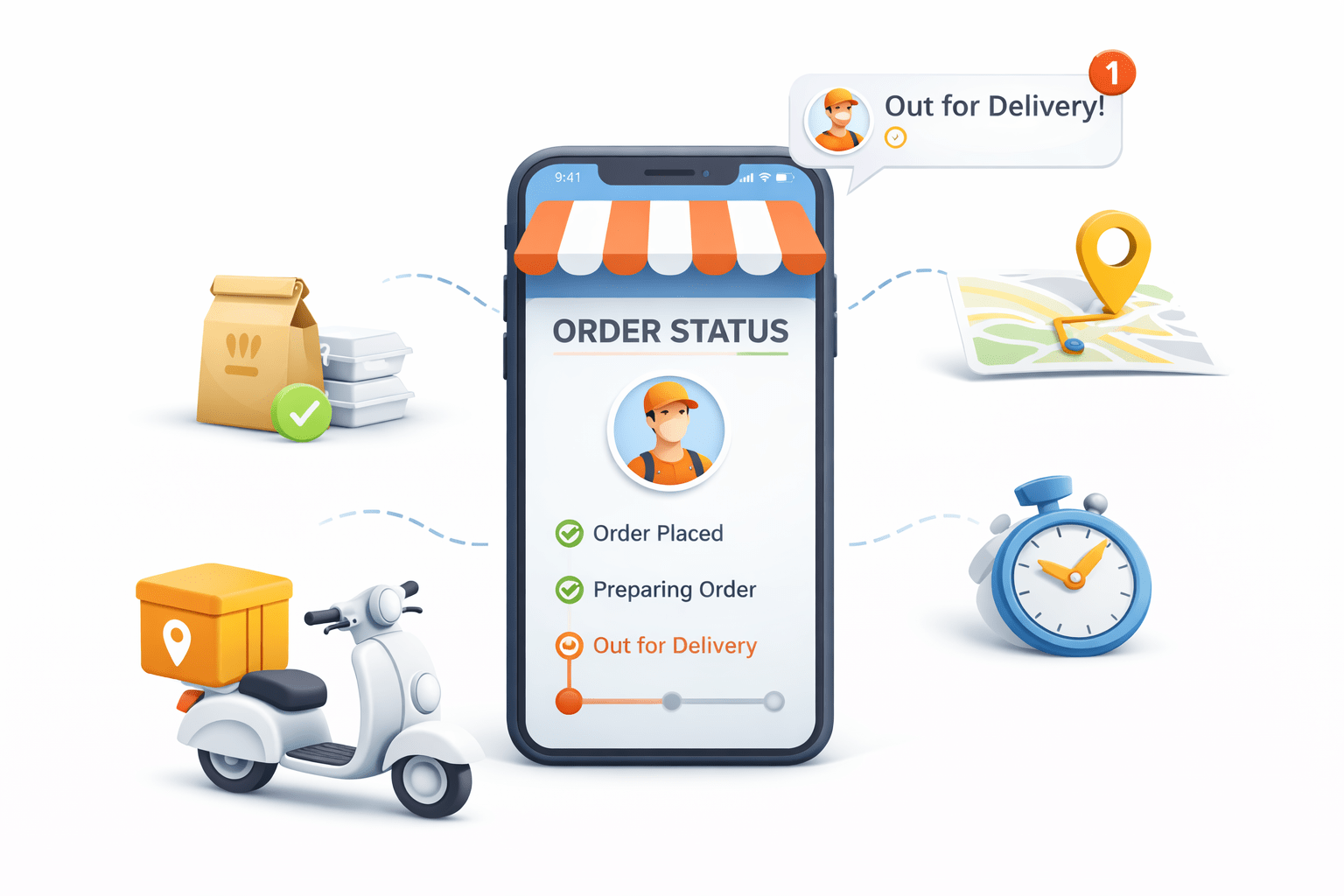
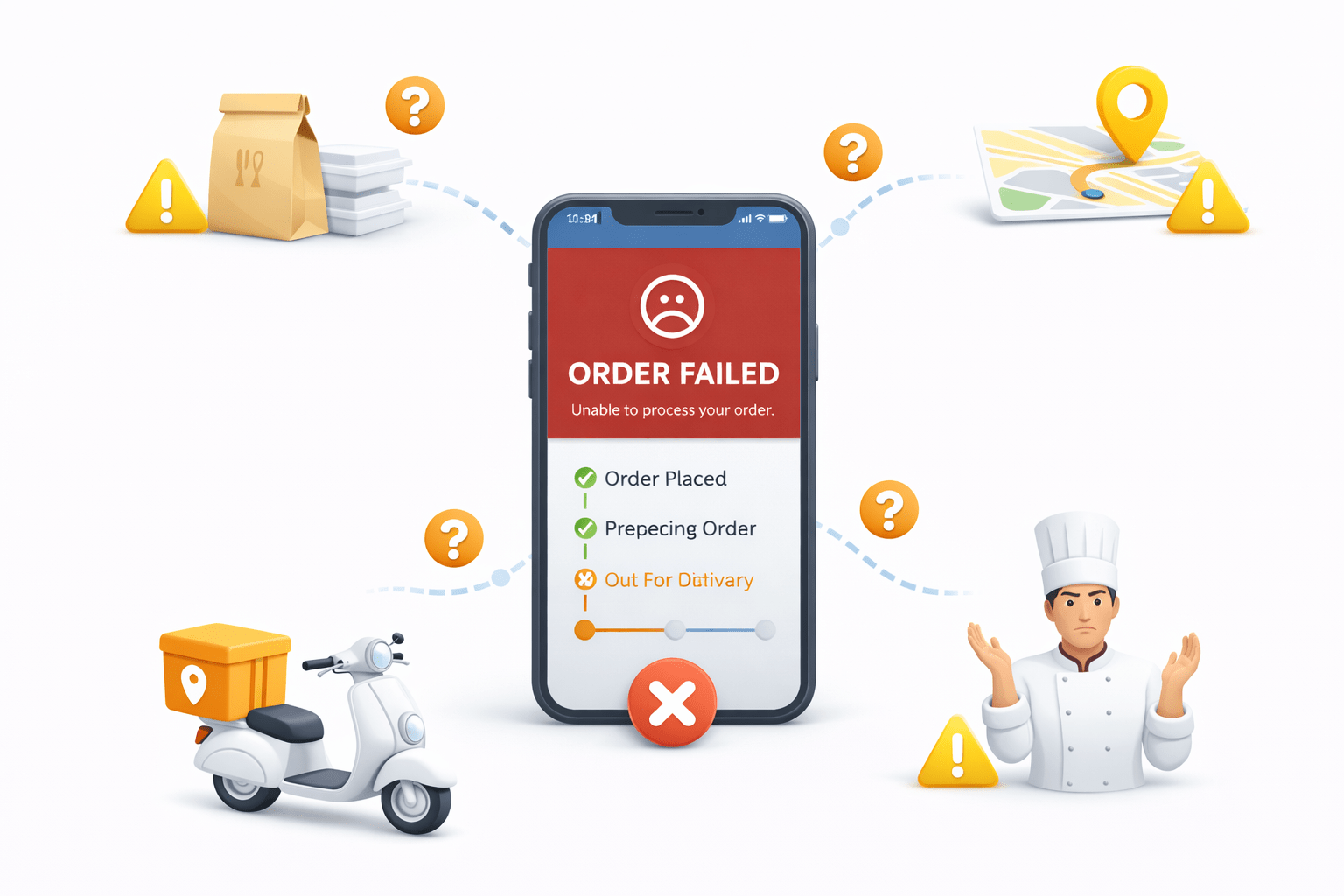
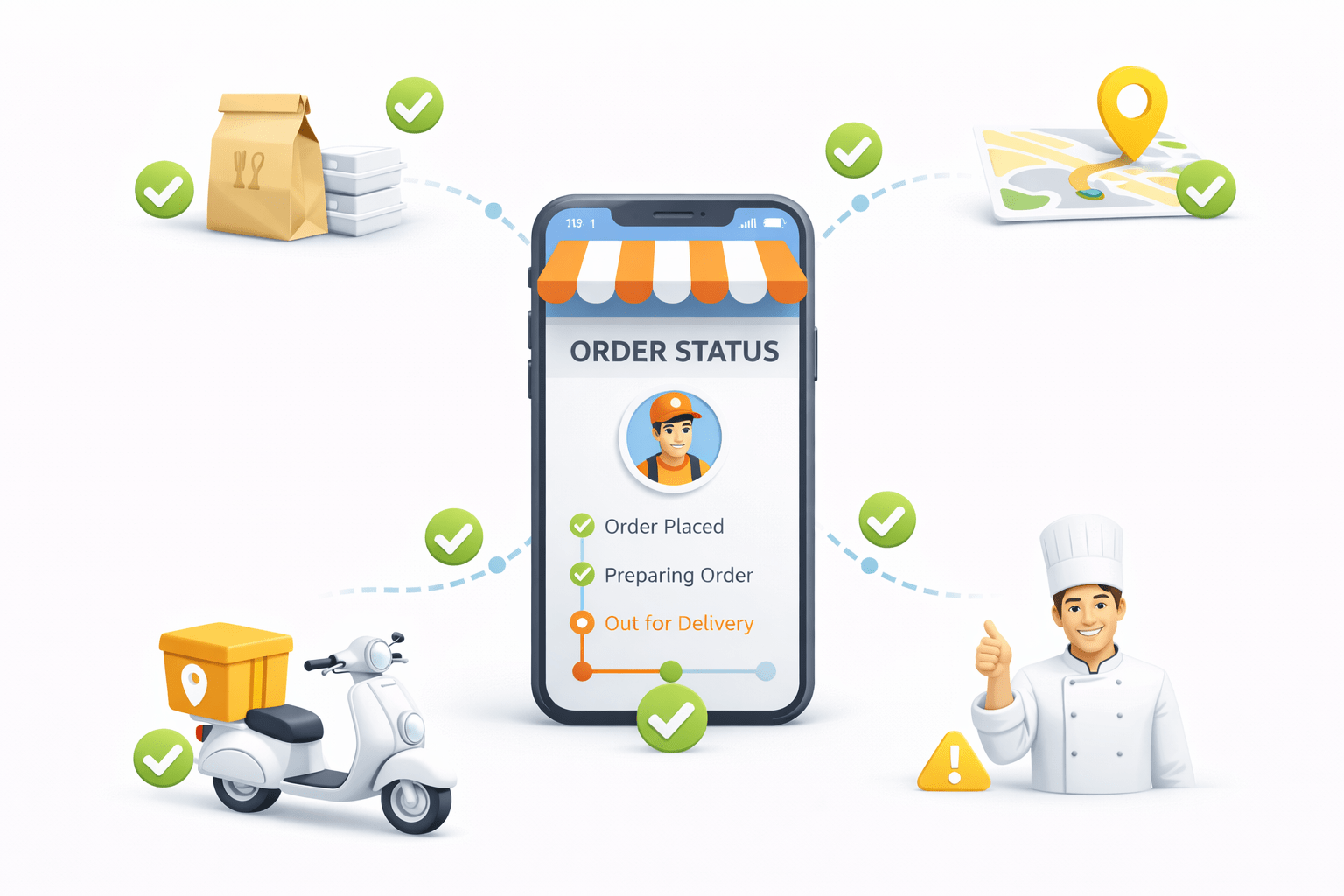
Imagine Online Food Delivery System
Restaurant prepares food
Delivery partner picks it up
App updates order status
If each part works alone but not together → order fails
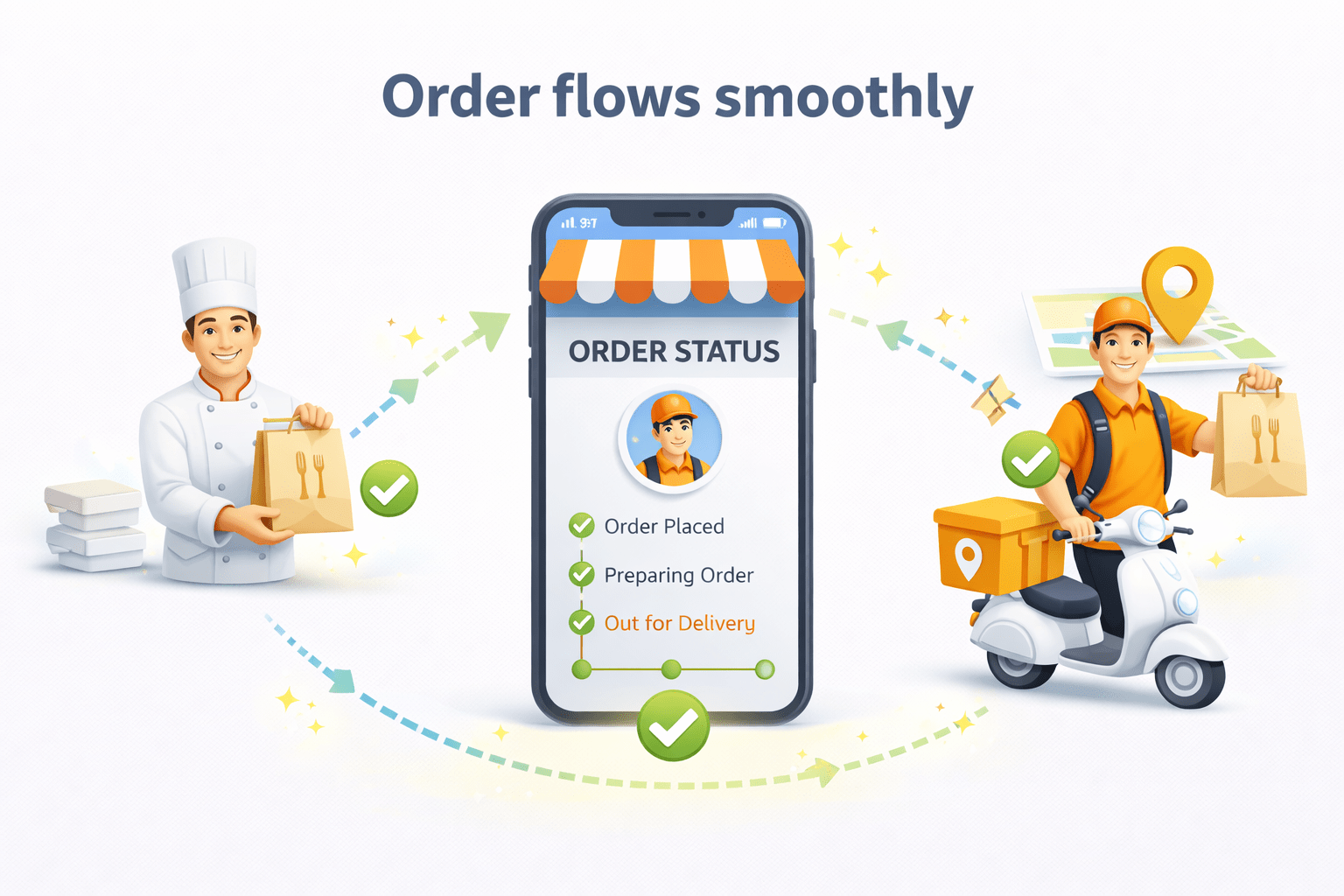
With proper integration testing:
All components communicate correctly
Order flows smoothly
Customer gets food on time
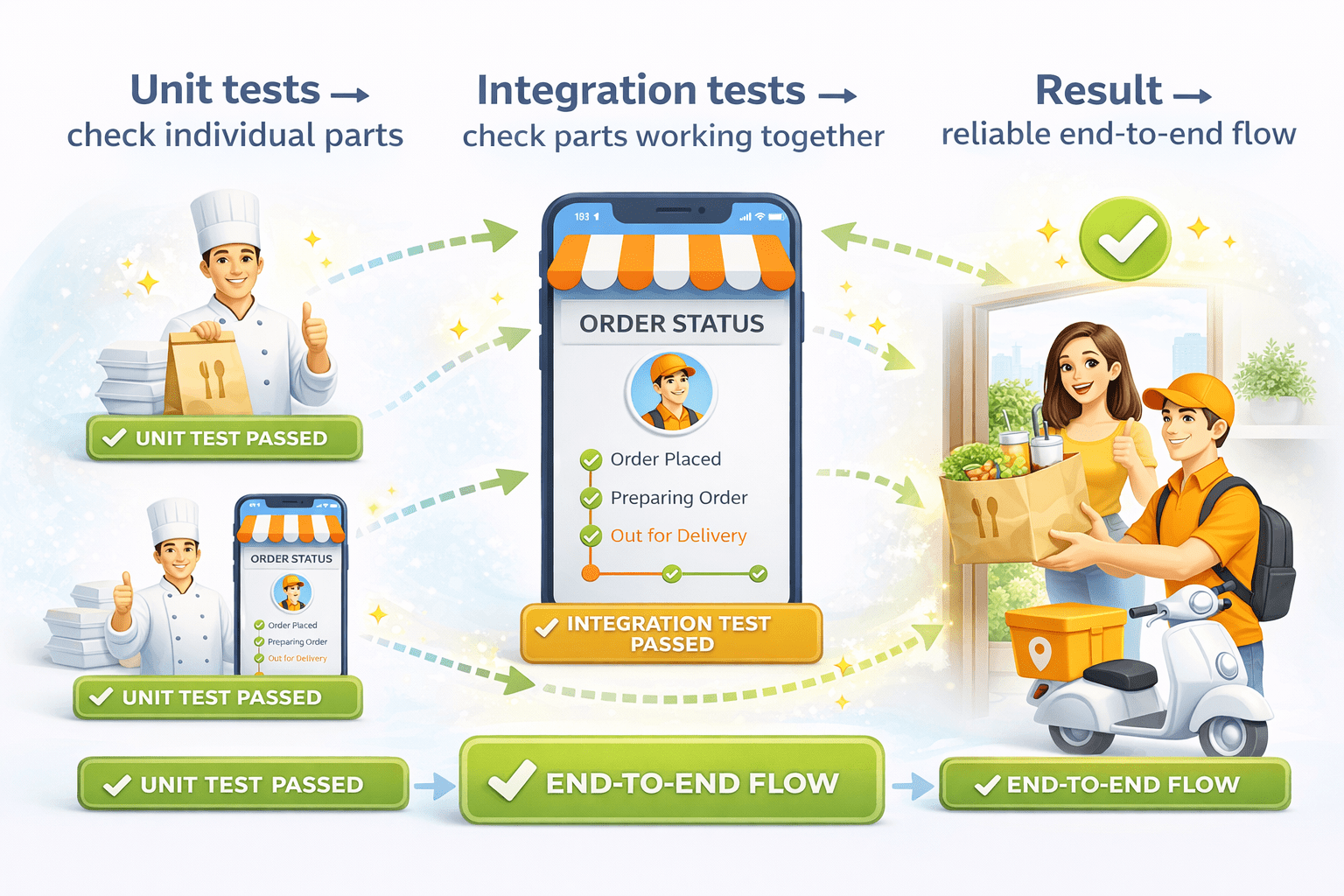
Same in Software:
Unit tests → check individual parts
Integration tests → check parts working together
Result → reliable end-to-end flow
Best Practices for Integration Testing
Test real component interaction
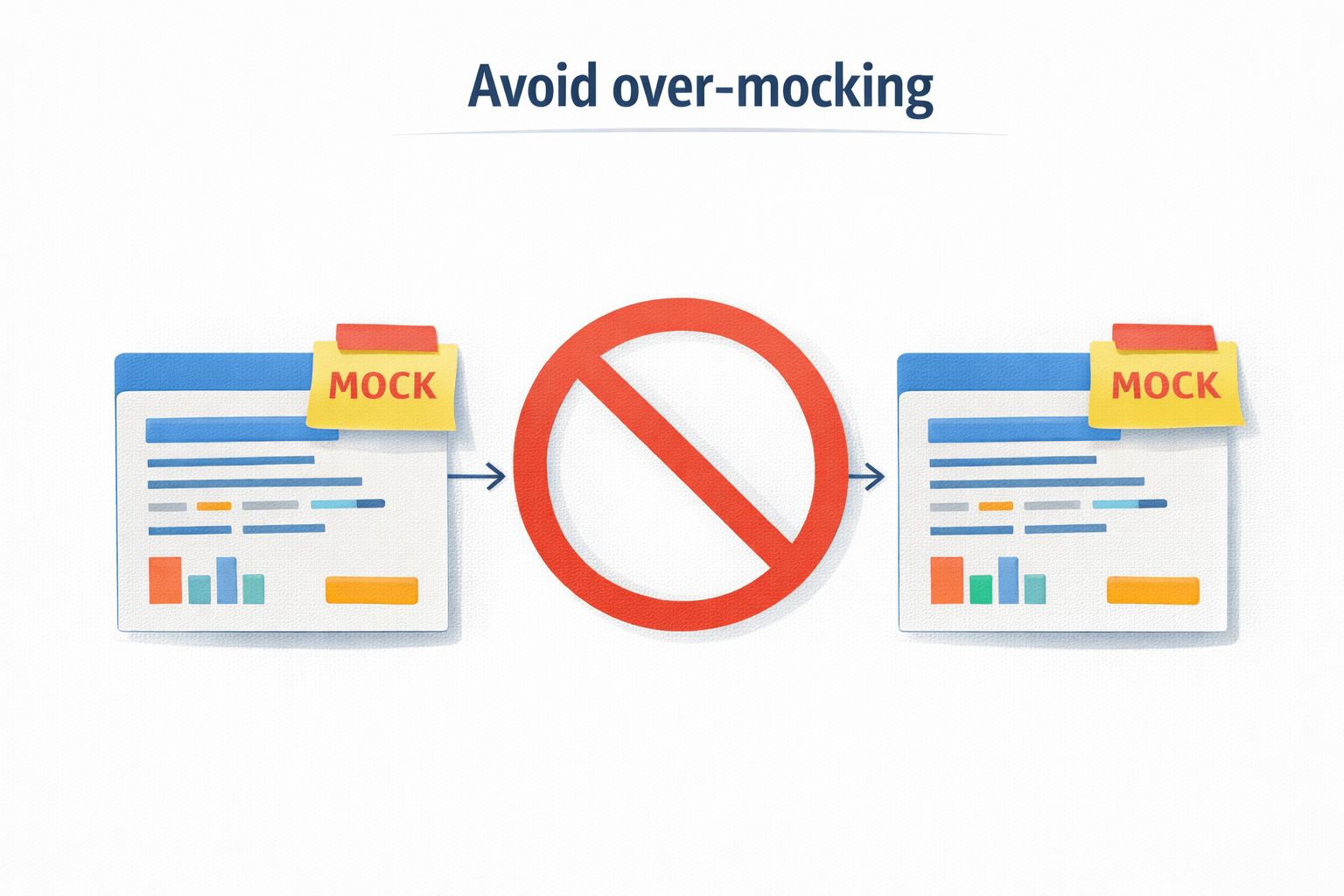
Avoid over-mocking
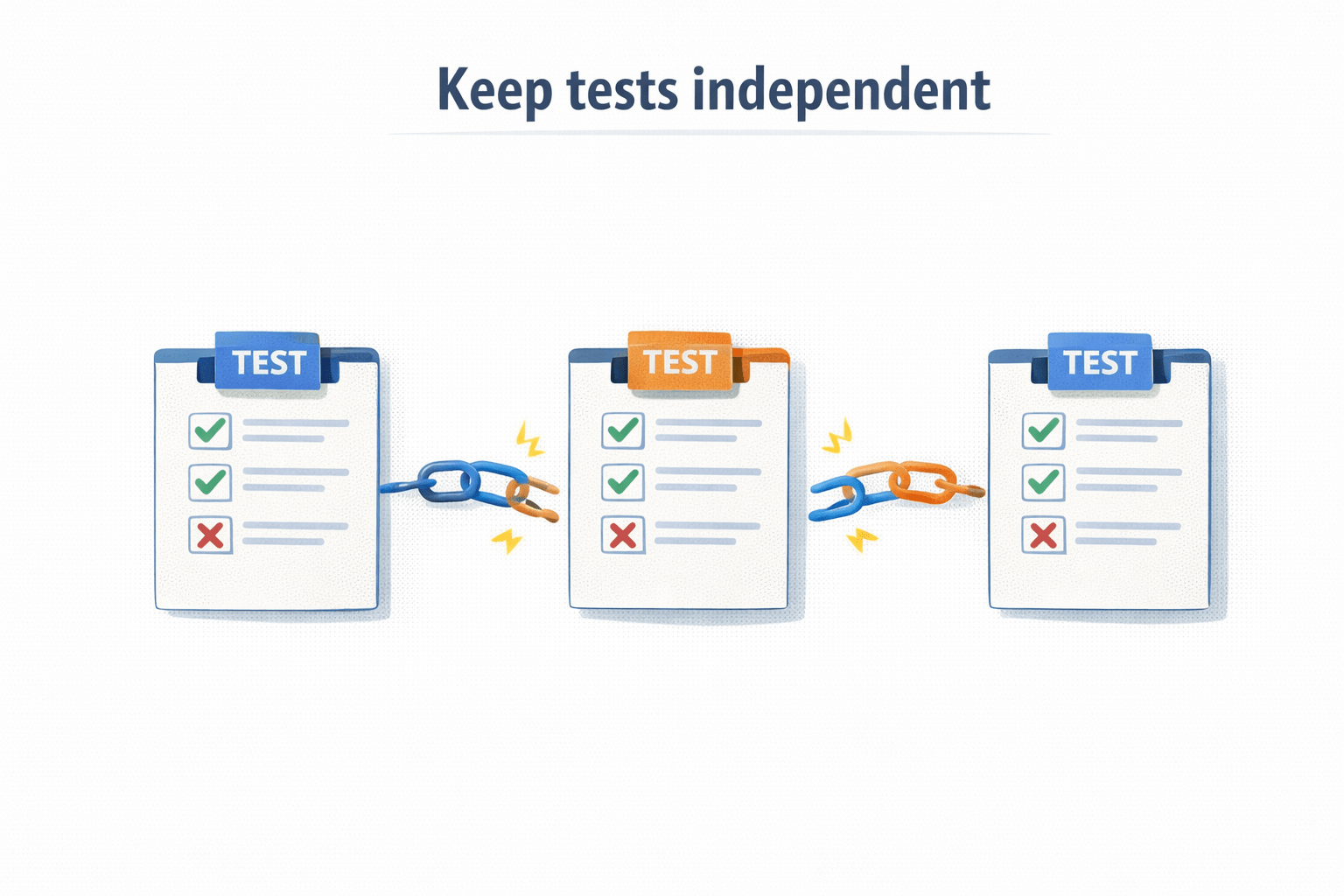
Keep tests independent
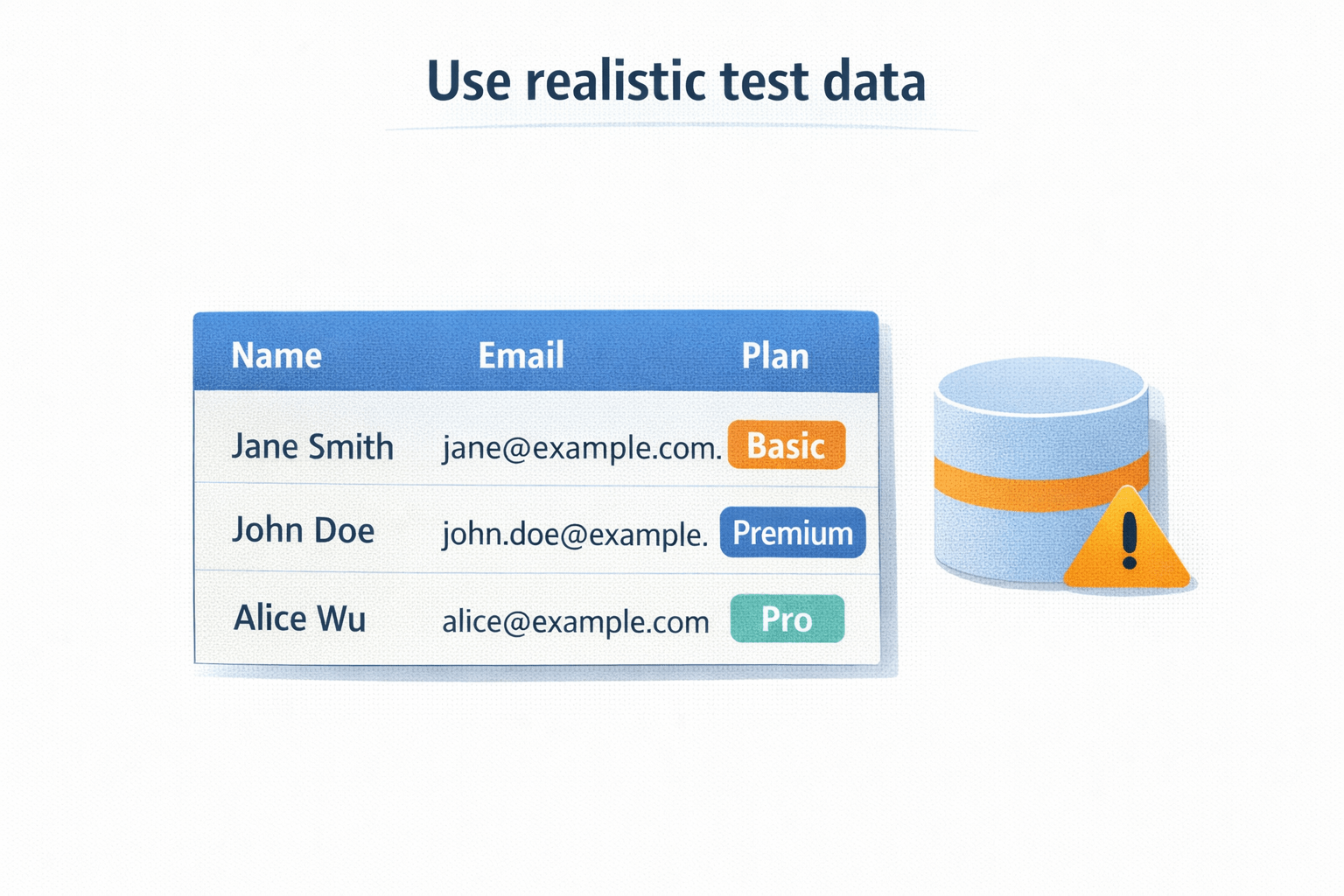
Use realistic test data
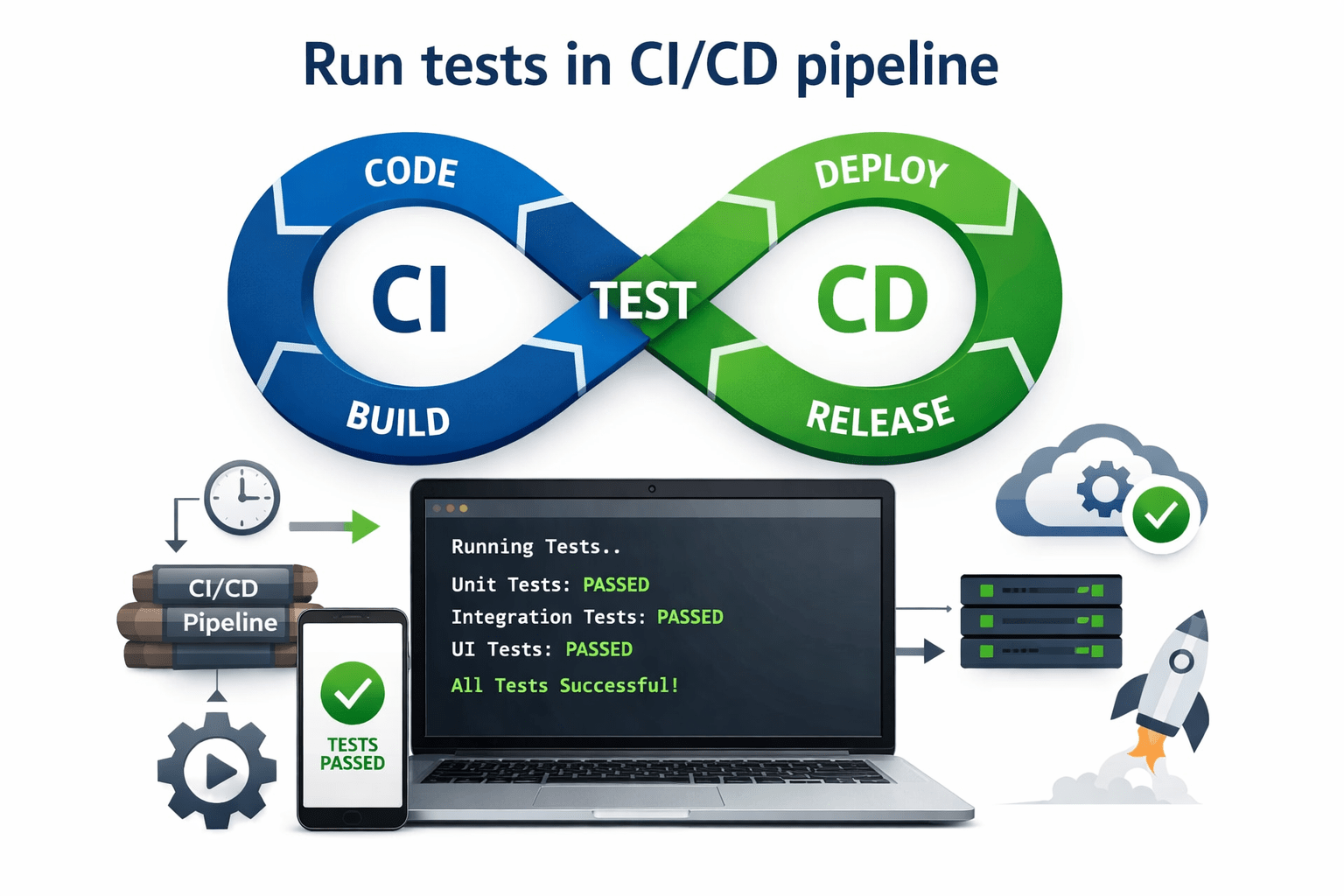
Run tests in CI/CD pipeline
Golden Rule:
Test behavior, not implementation.
Unit Testing vs Integration Testing
Unit Testing
Tests single unit
Fast
Highly isolated
Integration Testing
Tests module interaction
Slower
More realistic
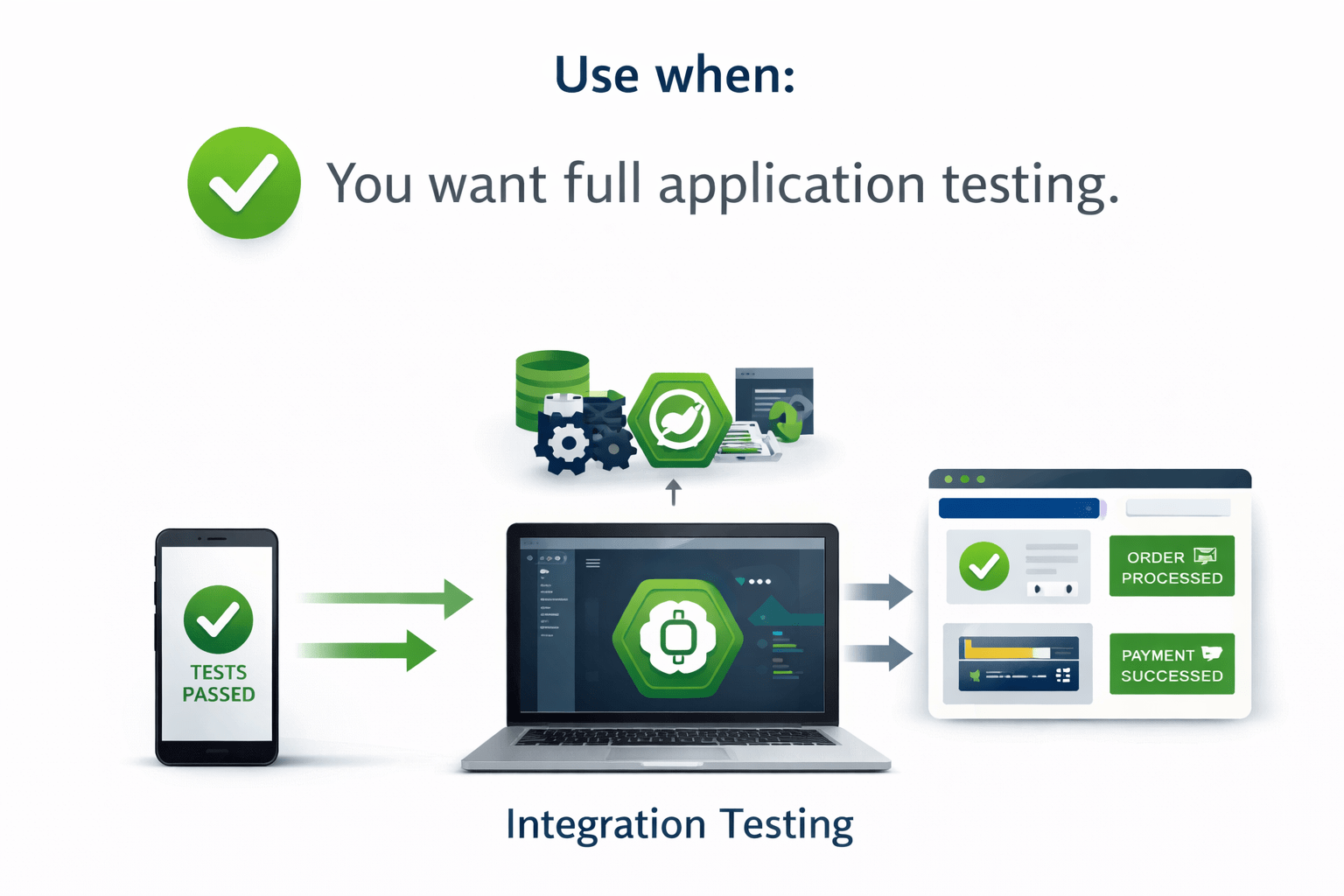
@SpringBootTest
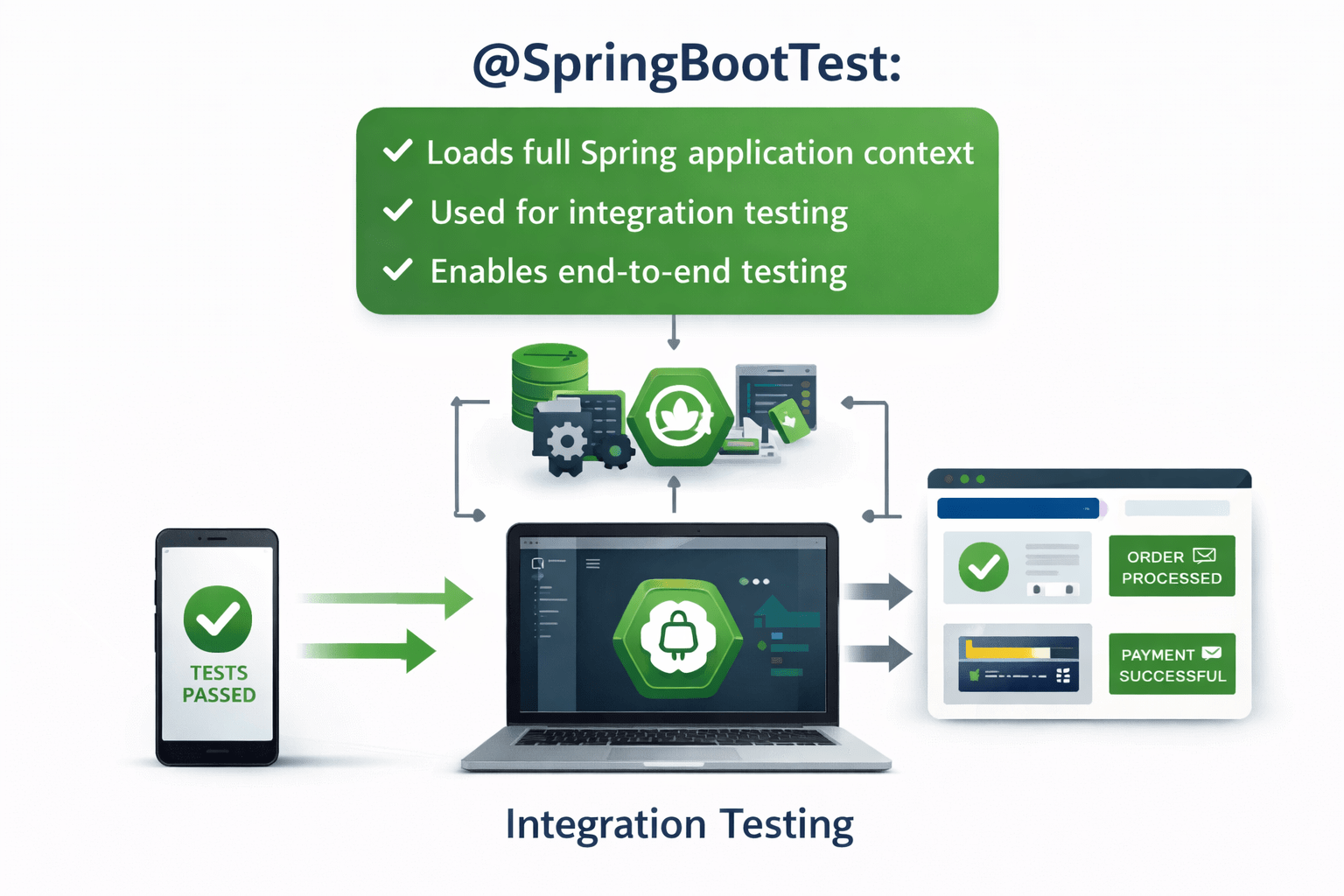
@SpringBootTest:
Loads full Spring application context
Used for integration testing
Enables end-to-end testing
Use when:
You want full application testing.
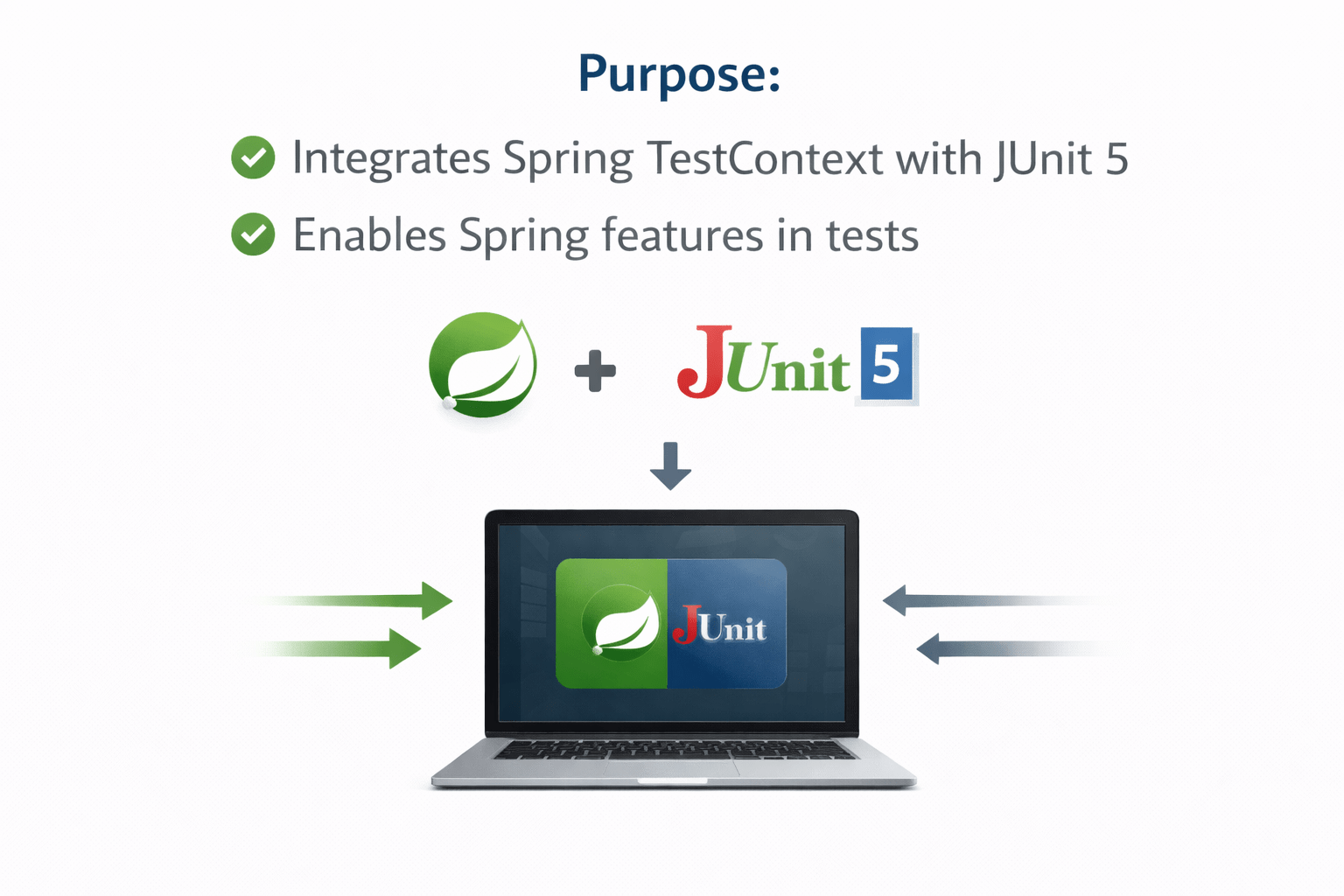
@ExtendWith(SpringExtension.class)
Purpose:
Integrates Spring TestContext with JUnit 5
Enables Spring features in testsa
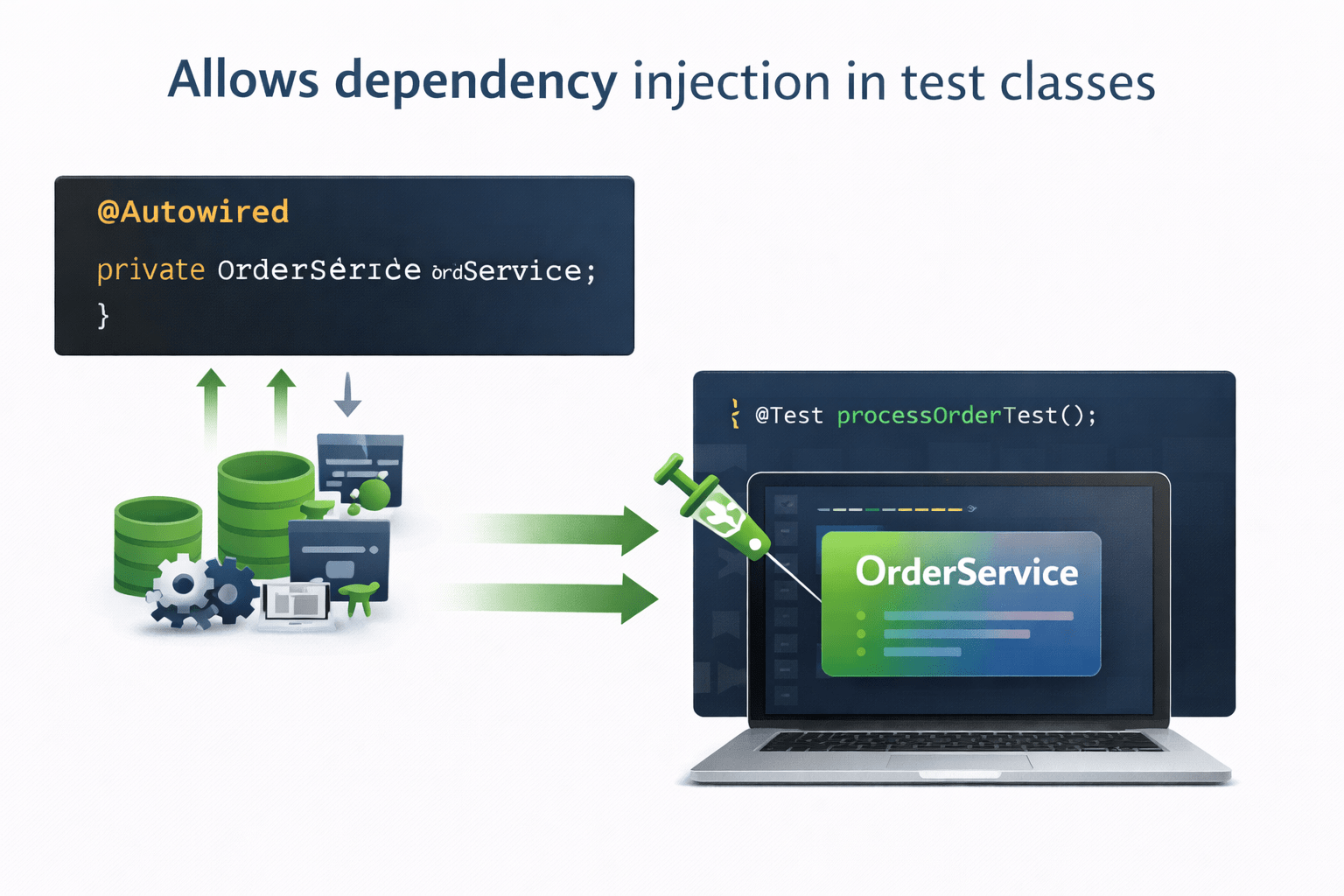
Key Benefit:
Allows dependency injection in test classes
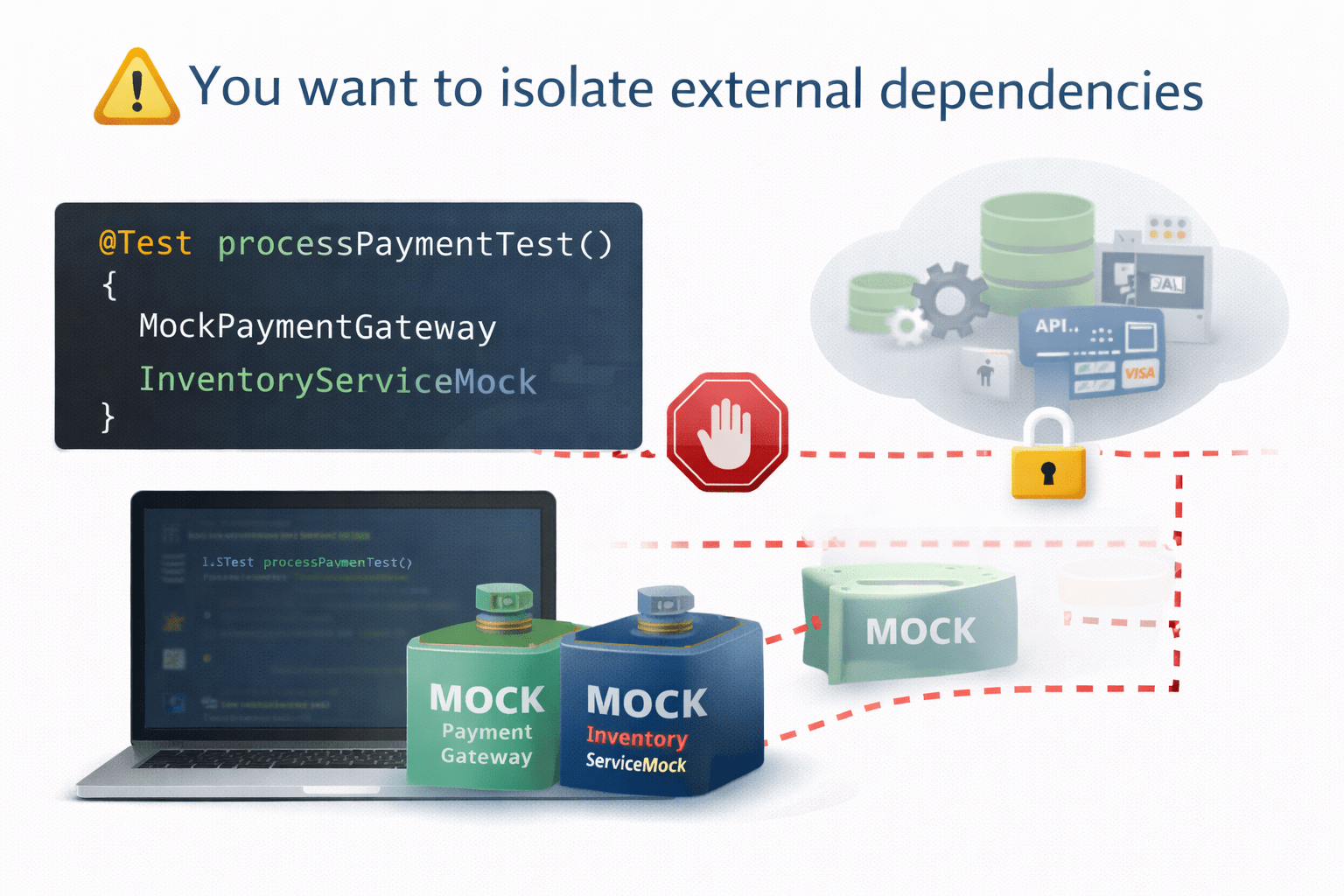
@MockBean
@MockBean is used to:
Create mock object inside Spring context
Replace real bean with mock
Use when:
You want to isolate external dependencies
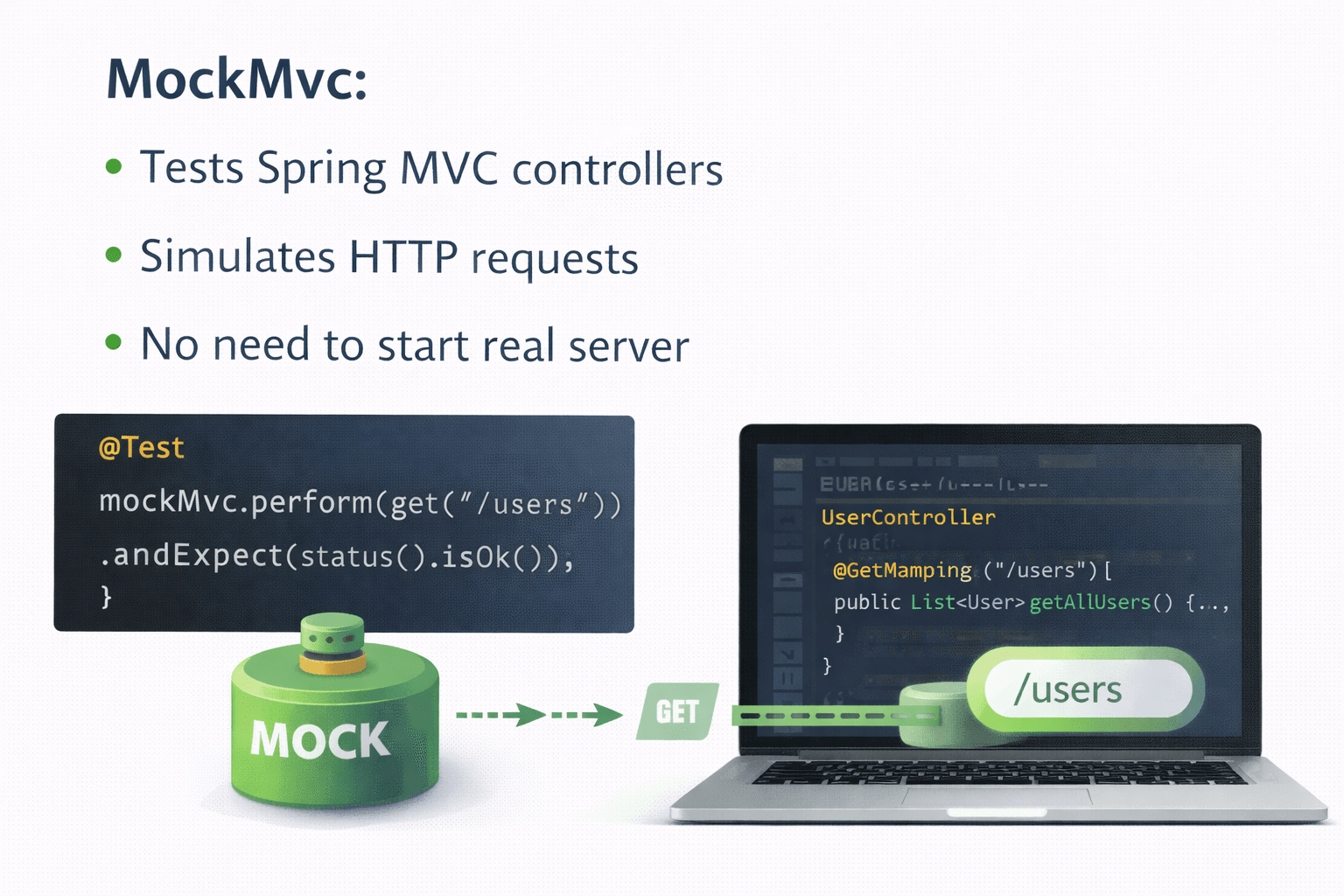
What is MockMvc
MockMvc:
Tests Spring MVC controllers
Simulates HTTP requests
No need to start real server
Advantage:
Fast
Lightweight
Controller-focused testing
Important MockMvc Methods
perform()
Sends mock HTTP request
andExpect()
Verifies response
andDo()
Performs additional actions (like logging)
Assertion Methods
Common assertions in integration testing:
isOK()
jsonPath()
assertThat(result.getContent()).hasSize(100)
Purpose:
Validate API responses
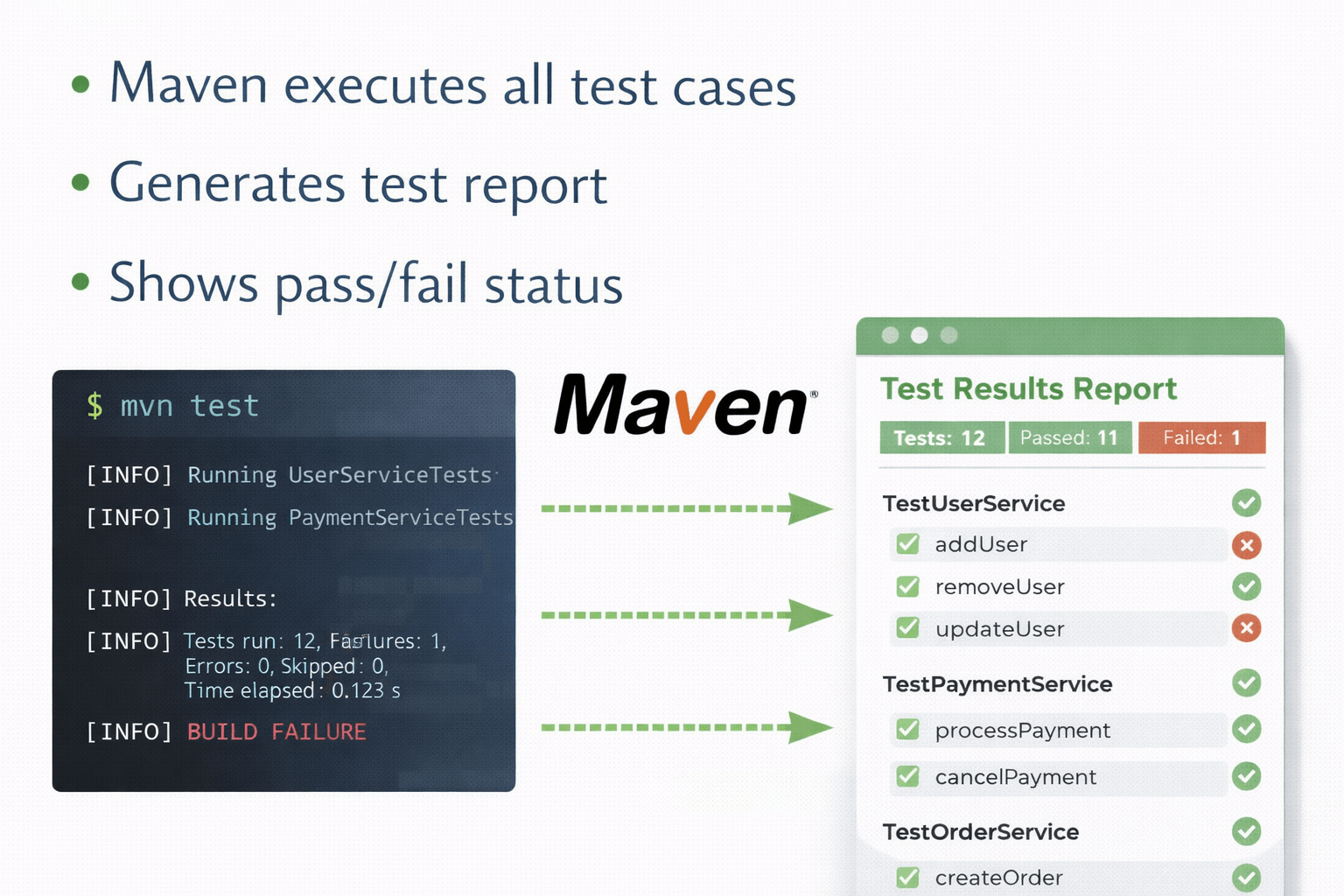
Running Integration Tests
Command to run tests:
./mvnw testWhat happens:
Maven executes all test cases
Generates test report
Shows pass/fail status
4
Assertions verify API responses , Use ./mvnw test to execute tests
3
@MockBean helps isolate dependencies , MockMvc tests REST controllers efficiently
2
@SpringBootTest loads full Spring context
1
Integration testing validates module interaction
Quiz
@SpringBootTest is used to:
A. Load full application context
B. Compile project
C. Deploy app
D. Format code
Quiz-Answer
@SpringBootTest is used to:
A. Load full application context
B. Compile project
C. Deploy app
D. Format code
By Content ITV